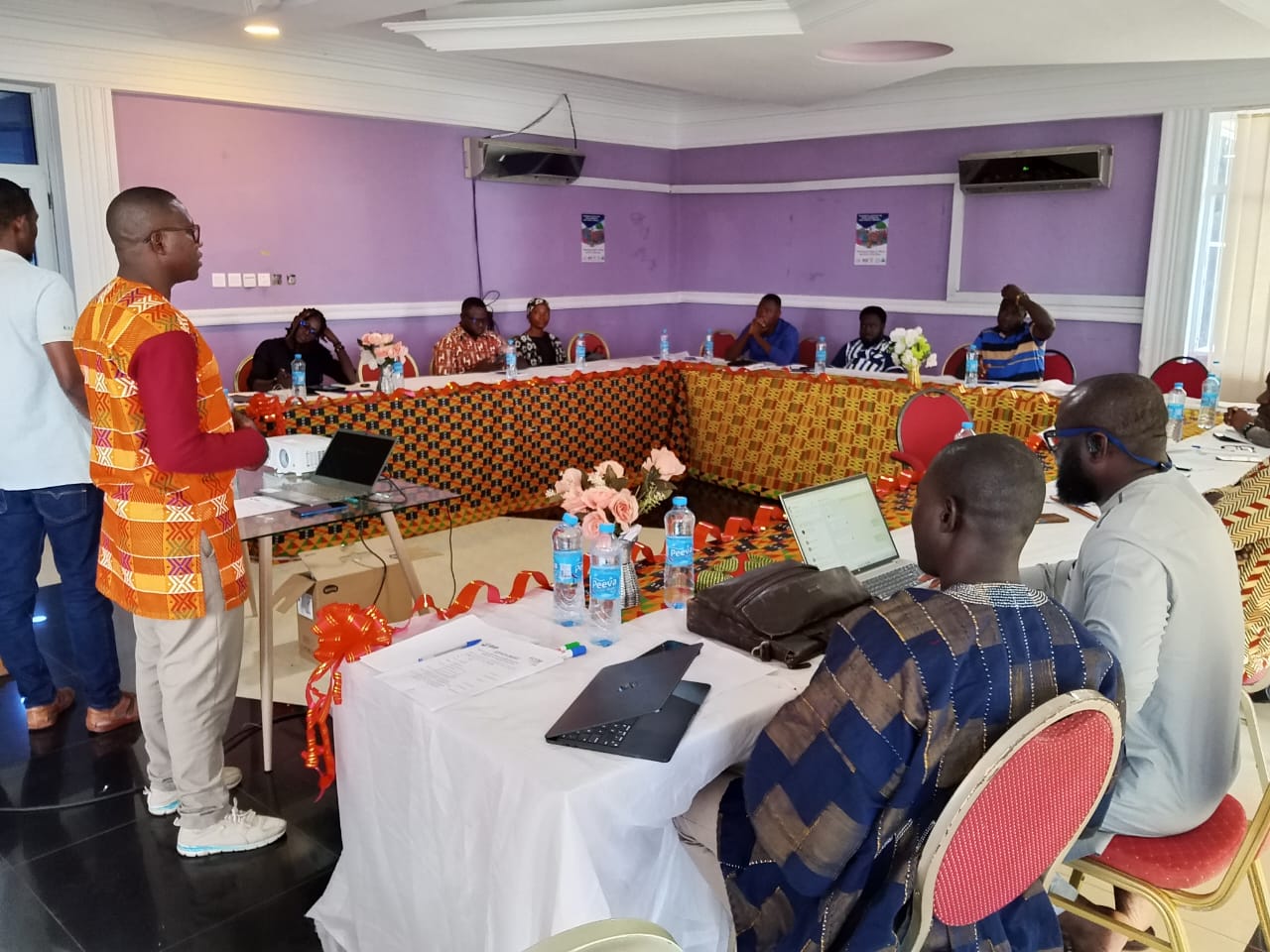
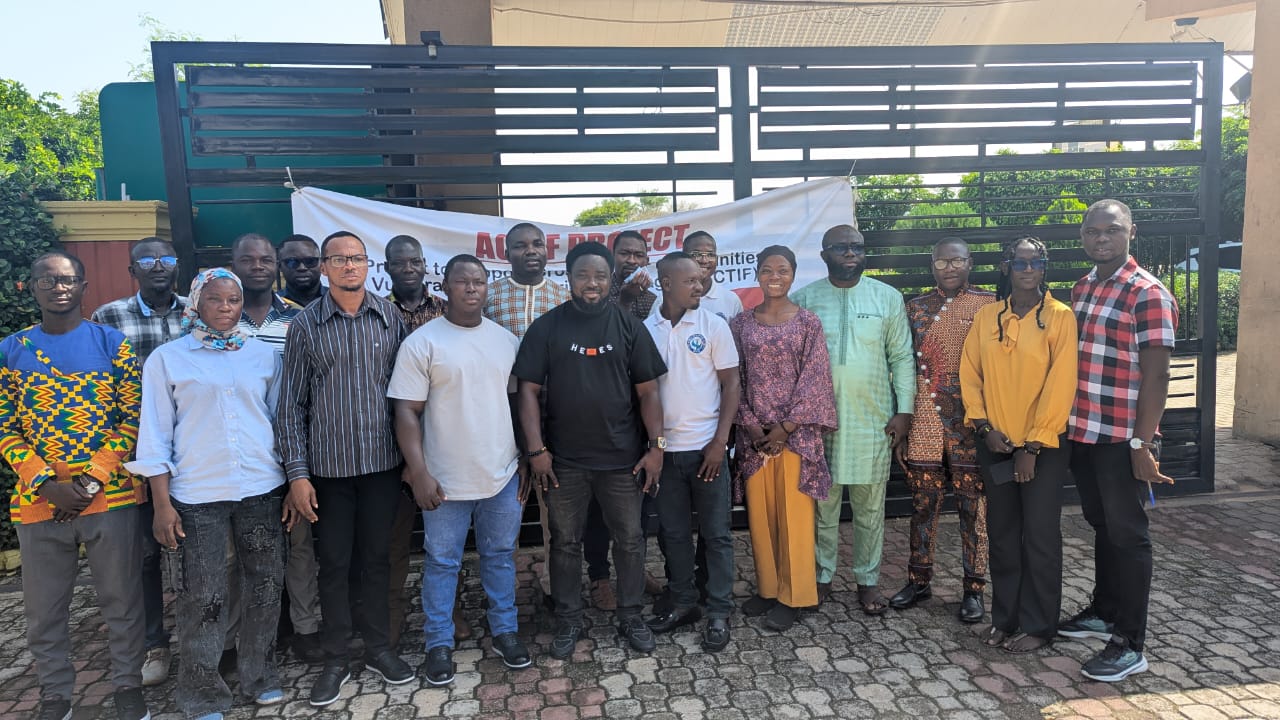
Changing Lives in Innovative Partnerships (CLIP), in partnership with Acting for Life (AFL), is training media practitioners in northern Ghana to improve reporting on farmer-herder relations and promote peaceful coexistence in cross-border communities vulnerable to insecurity.
The training is being organised under the Project to Support Cross-border Communities Vulnerable to Insecurity and Fragility (ACTIF) in Ghana as part of its peacebuilding and natural resource management interventions.
Selected media practitioners from ACTIF intervention districts are being trained in agropastoralism, natural resource governance and farmer-herder relations.
The training is intended to equip participants with the knowledge and skills to facilitate accurate, balanced and constructive public discussions on issues affecting farmers and herders while promoting the sustainable management of shared natural resources.
Speaking at the training, Director of CLIP, Lukman Yussif, said the media is among several stakeholders whose involvement is critical to building peaceful communities.
“We work importantly with traditional authorities. We work with farmer groups, we work with pastoral associations. And so each of these key stakeholders have a role to play,” he said.
Mr. Yussif said radio and television have significant influence over the issues communities discuss and how people perceive those issues.
“And as people who control the daily narratives, especially in this time of media cooperation, where many people in our communities, the topics that they decide to engage on and spend their time on is decided or molded by what they hear being discussed on radio and television.”
He therefore urged journalists to recognise the influence they wield and use it responsibly.
“So we identify that the media holds a very strong hand in shaping narratives, in shaping even perspectives in our communities. And I believe all of us here know that we hold a very powerful position in our communities.”
Mr. Yussif cautioned that the media could also contribute to instability when used irresponsibly, citing Rwanda as an example.
“Unfortunately, there are instances we can cite. For example, in Rwanda, where radio was used to destabilize the country. And you are media people, you know the story better.”
He challenged participants to use their platforms to promote stability and create an environment conducive to development.
“So in our own small way, how can we utilize the power that we have in a way that our communities remain stable, in a way that our communities are able to project themselves to be seen as possible places where strangers can come and support and develop our places.”
CLIP says the training is expected to strengthen responsible media engagement and promote social cohesion among farming and herding communities in the project areas.
The ACTIF project is being implemented in selected cross-border districts in northern Ghana to address fragility, insecurity and resource-based conflicts.
A1 Radio | 101.1 MHz | David Azure | Bolgatanga