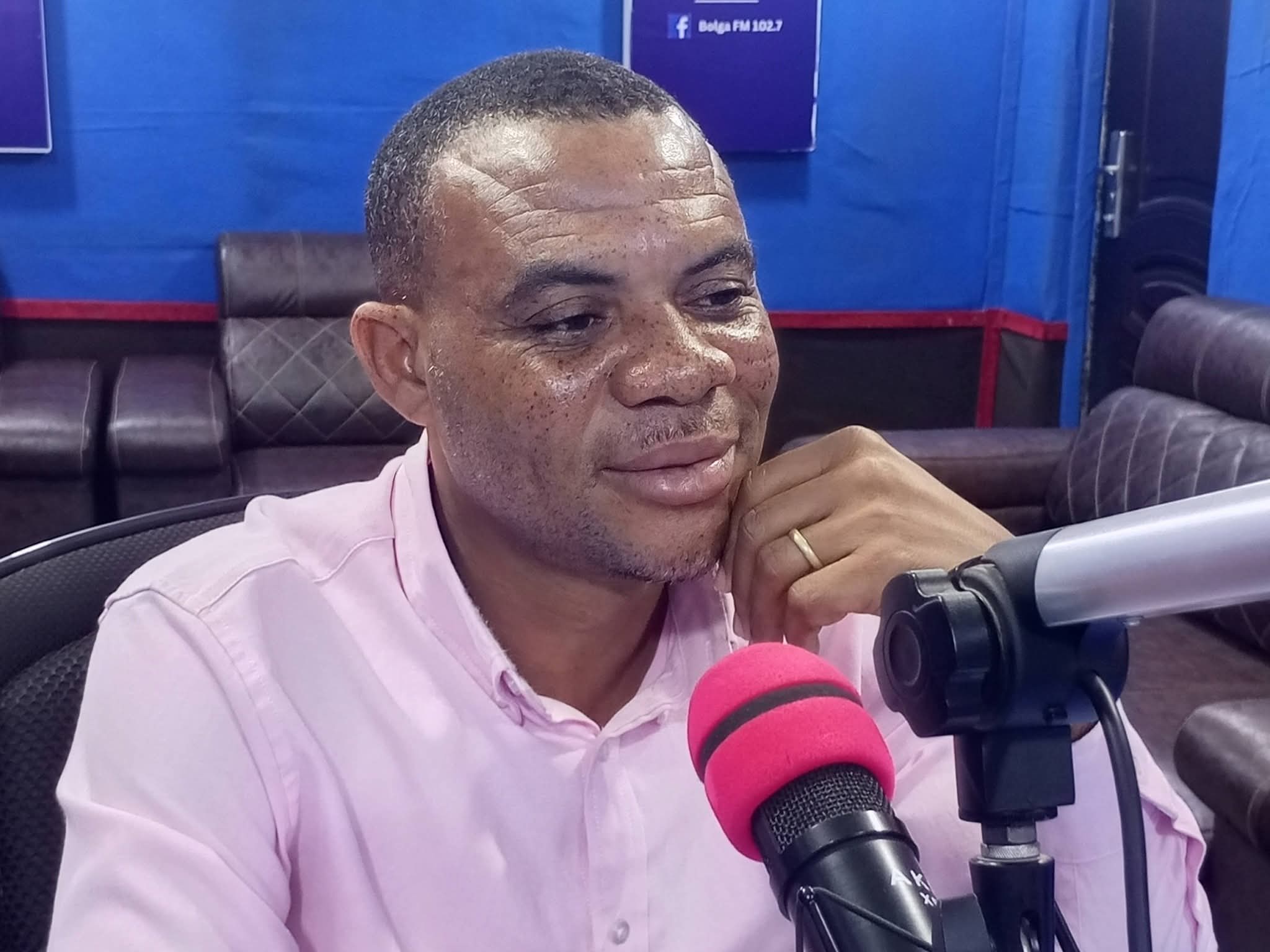
The Kassena-Nankana West District Chief Executive, Stephen Aeke Akurugu, has outlined how the District Assemblies Common Fund is allocated across development sectors, with 25% going to the government’s 24-Hour Economy Market Initiative and 20% earmarked for the completion of legacy projects.
Speaking in an interview on Bolga FM, Mr. Akurugu said the remaining funds are distributed among sanitation, water, healthcare, education, school furniture and the administrative needs of the Assembly.
According to the DCE, Parliament has provided directives on how the Common Fund should be allocated, limiting the discretion of individual assemblies over how the money is spent.
“Parliament has clearly stated how the Common Fund should be used. We are following those directives to make sure every cedi benefits the people,” Mr. Akurugu said.
He explained that 25% is earmarked for the 24-Hour Economy Market Initiative, while 20% goes towards legacy projects, including the completion of abandoned projects initiated under previous administrations.
Sanitation receives 10%, with another 10% allocated to water projects. Healthcare and education also receive 10% each, while another 10% is earmarked for the repair and provision of school furniture, particularly chairs and desks.
The remaining 5%, he said, goes towards the Assembly’s day-to-day administrative activities.
The allocations outlined by the DCE add up to 100%, with 95% going to the identified programmes and development sectors and 5% to administration.
Mr. Akurugu said the Assembly also relies on Internally Generated Funds (IGF) collected from markets and other local revenue sources to undertake projects that may not be covered by the Common Fund.
“We have a lot of markets that generate IGF, and that money helps us undertake development projects within the district,” he said.
He cited the construction of a market facility for livestock traders in 2025 as one project the Assembly financed partly through its internally generated revenue. The facility, he said, was intended to provide livestock traders with a designated area to conduct their business.
The DCE therefore appealed to residents and businesses to pay their rates and levies promptly, arguing that stronger local revenue collection would give the Assembly additional resources to undertake development projects.
Mr. Akurugu maintained that revenue collected by the Assembly is accounted for and channelled into development activities across the district.
“Every pesewa collected is accounted for. We use the money down to the last coin for the development of Kassena-Nankana West,” he said.
A1 Radio | 101.1 Mhz | Mary Atiamah Aperika | Bolgatanga