
Ghana earned approximately GH¢94 billion from mineral exports in 2023, while the mining sector contributed about GH¢12.4 billion to government revenue, according to the 2023 Ghana Extractive Industries Transparency Initiative (GHEITI) Mining Report.
The figures were disclosed by Phyllis Adwoa Fraikue, National Coordinator of Ghana EITI, during a dissemination workshop on the 2023 GHEITI reports on the mining, oil and gas sectors in the Upper East Region.
However, the report estimates that about 1.1 million ounces of gold were smuggled out of Ghana during the reporting year, raising concerns about revenue losses and the country’s ability to capture the full economic value of its mineral resources.
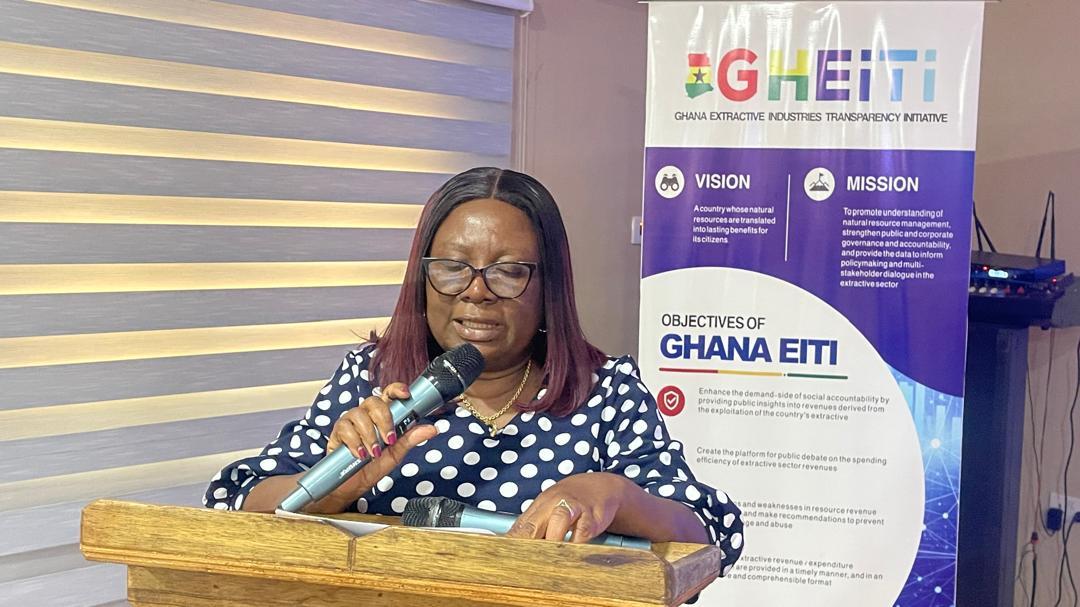
Madam Fraikue said the findings underscored the need for stronger regulatory enforcement, improved revenue collection and greater accountability in the management of the country’s extractive resources.
She said the growing mineral potential of the Upper East Region presented opportunities for employment, investment and public revenue, but stressed that the benefits must translate into sustainable development for mining communities.
Madam Fraikue urged district assemblies, traditional authorities and relevant public institutions to ensure transparency in the management of mining-related revenues, including the allocations due to communities, actual transfers received and how the funds are spent.
She said publishing information on extractive revenues must lead to corrective action where revenue leakages occur, statutory transfers are delayed, or public institutions fail to meet their obligations.
Dr. Steve Manteaw, Co-Chair of GHEITI, said the Upper East Region was an emerging frontier for mineral extraction and needed to learn from the experiences of established mining communities to avoid losing out on the benefits of its resources.
He said the dissemination workshop was intended to share lessons from the 2023 report with communities and district assemblies expected to benefit from mining operations, particularly around Cardinal Namdini Mining Limited in Talensi.
Dr. Manteaw said mineral royalties could provide significant development financing for mining districts, noting that in some cases, a district’s share of mineral royalties was twice as much as its allocation from the District Assemblies Common Fund.
He said large-scale mining could also create opportunities for local businesses through the supply of goods and services to mining companies, while generating revenue through royalties, corporate income tax, property rates and ground rent.
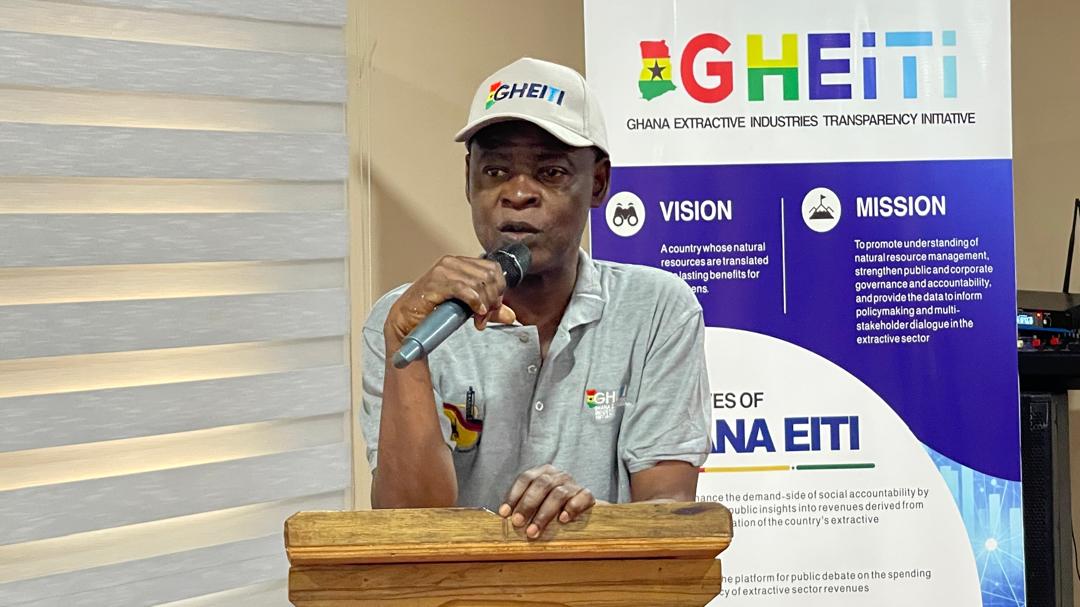
However, he identified the lack of an effective gold traceability mechanism as one of the challenges affecting the collection and allocation of royalties from small-scale mining.
He explained that tracing gold to its place of origin was necessary to determine the appropriate share of mineral royalties due to beneficiary districts.
Dr. Manteaw also called for clarity in the Minerals and Mining Act regarding the fiscal obligations of small-scale miners, saying ambiguities in the law had contributed to differing interpretations of their royalty payment requirements.
Dr. Manteaw also called on the government to address challenges affecting investment and revenue generation in Ghana’s oil sector. He identified poor-quality geological data, the small size of oil blocks and the need to review fiscal conditions as issues requiring attention to attract more investment.
He argued that the government should address these concerns before spending further resources promoting oil acreage at international conferences and exhibitions. He said the country needed to improve the competitiveness of its oil blocks and the quality of geological data to attract and retain investors.
The Upper East Regional Minister, Donatus Akamugri Atanga, said the region was preparing to take advantage of its mineral resources through a development framework known as Prosperity Through Enterprise, Agriculture, Resilience and Livelihoods (PEAL).
He said the framework was designed to use mineral wealth to build an alternative economy that would sustain the region after its mineral resources were exhausted.
Mr. Atanga said the region was also considering proposals to ensure that a greater proportion of mining-related revenues reached the communities where extraction takes place. He explained that technical work was underway on a document seeking legislative changes to the country’s mining laws to support the proposal.
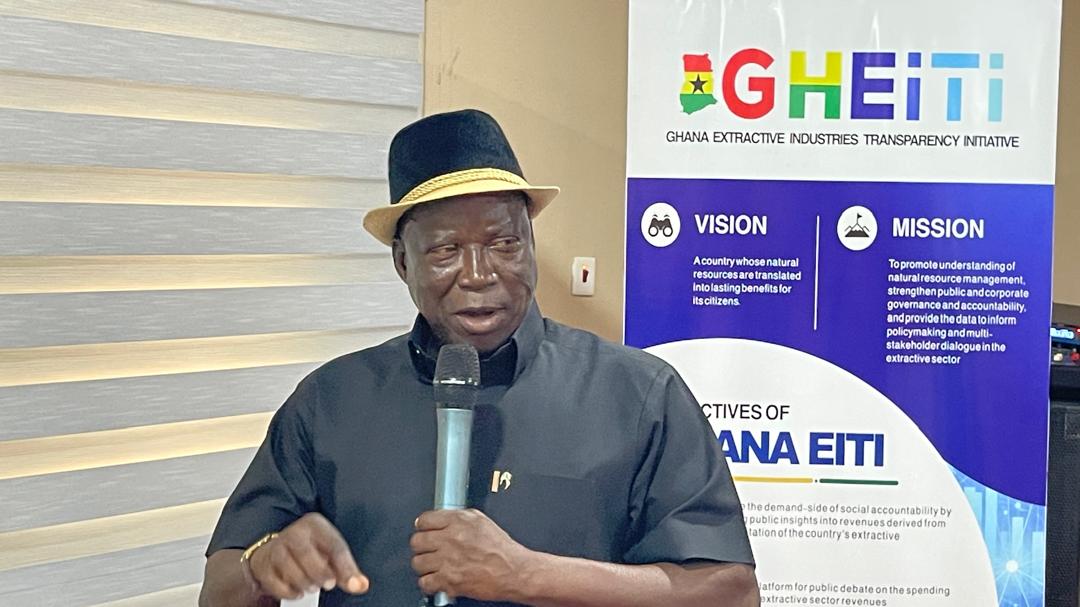
The minister said the region wanted to avoid the experience of mining communities elsewhere where mineral resources had not translated into lasting development. He called for support from GHEITI and other stakeholders to ensure that the region’s mineral wealth contributed to improved livelihoods and sustainable development.
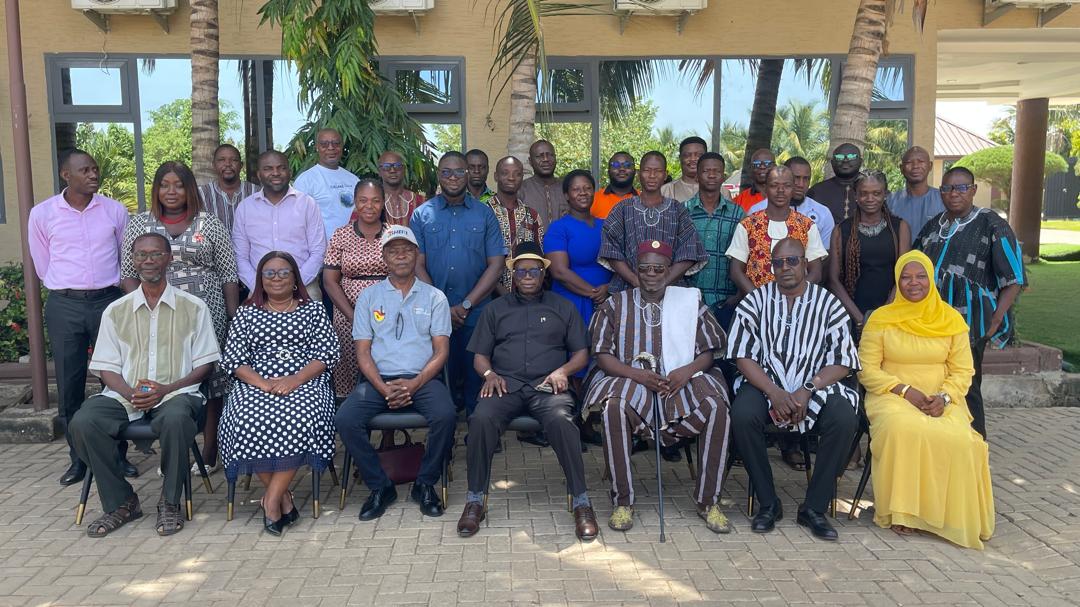
The workshop brought together traditional authorities, representatives of district assemblies, mining industry stakeholders, members of the GHEITI Multi-Stakeholder Group and the media to discuss the findings and recommendations of the 2023 reports.
A1 Radio | 101.1Mhz | Joshua Asaah