
The Director of Operations at Antika Farms who doubles as the Executive Council Member for the National Seed Trade Association-Ghana (NaSTAG), Seidu Abdulai Mubarik has painted a gloomy picture about the upcoming planting season.
He said there could be severe food shortages and astronomical costs of food should government fail to intervene in the sector directly.
Mr. Mubarik explained that as it stands, there is a limited supply of food due to the many factors that militated against the production, pricing and supply of food in the previous planting season.
These factors he said include, irregular rainfall patterns, floods, bush fires and the shortage of subsidized fertilizers on the market. He added that when farmers harvested, foreigners flooded the local markets and farming communities, particularly in Northern Ghana, to purchase and transport the food products to their countries.
“Left unto the country’s consumption, what we produced would have been sufficient for us. Unfortunately, we let our guards down and there were a lot of foreigners, particularly the Burkinabes, the Togolese and some Nigerians even coming in to buy a lot of our products specifically maize and then rice”.
“Soyabeans was taken over by the Indians, as we speak it would be very difficult to get soybeans on the market. Everything has been mopped up by the Indians so local companies are not even getting for their processing,” he said.
He said this when he spoke on A1 Radio’s Day Break Upper East.
Mr. Mubarik said the country’s woes may worsen, all things considered. He admitted that there would not be enough fertilizers available on the market for farmers.
“The reality is that there would not be enough. Even if there is enough, that would be artificial enough. That is to say that fertilizers would be available but farmers cannot afford to buy. Currently, prices of fertilizers are escalating. Even before the planting season sets in, some prices of fertilizers are selling above Ghc400”.
“For an acre, you need a minimum of 4 bags so you are looking at over Ghc1,600. Expectations are that it may go above Ghc450, Ghc500 by the time the season sets in. On the other hand, it is not only the fertilizer”.
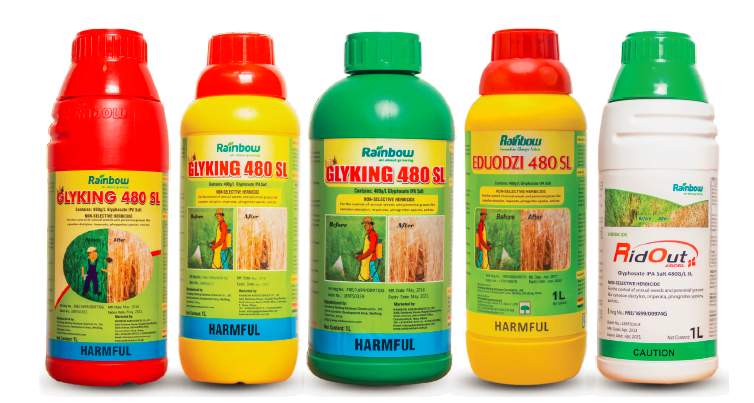
“The agrochemical industry is also suffering the same. The prices of agrochemicals are shooting up so much that we do not even know what is happening there. Now, glyphosate, what we popularly call ‘condemn’ is now more expensive than the selective weedicide that we have. That used to be the cheapest for farmers who wanted to do zero tillage,” he explained.
He said the prices of the chemical have moved from Ghc18 per litre to Ghc45 per litre in less than a year.
A1radioonline.com|101.1MHz|Mark Kwasi Ahumah Smith|Ghana