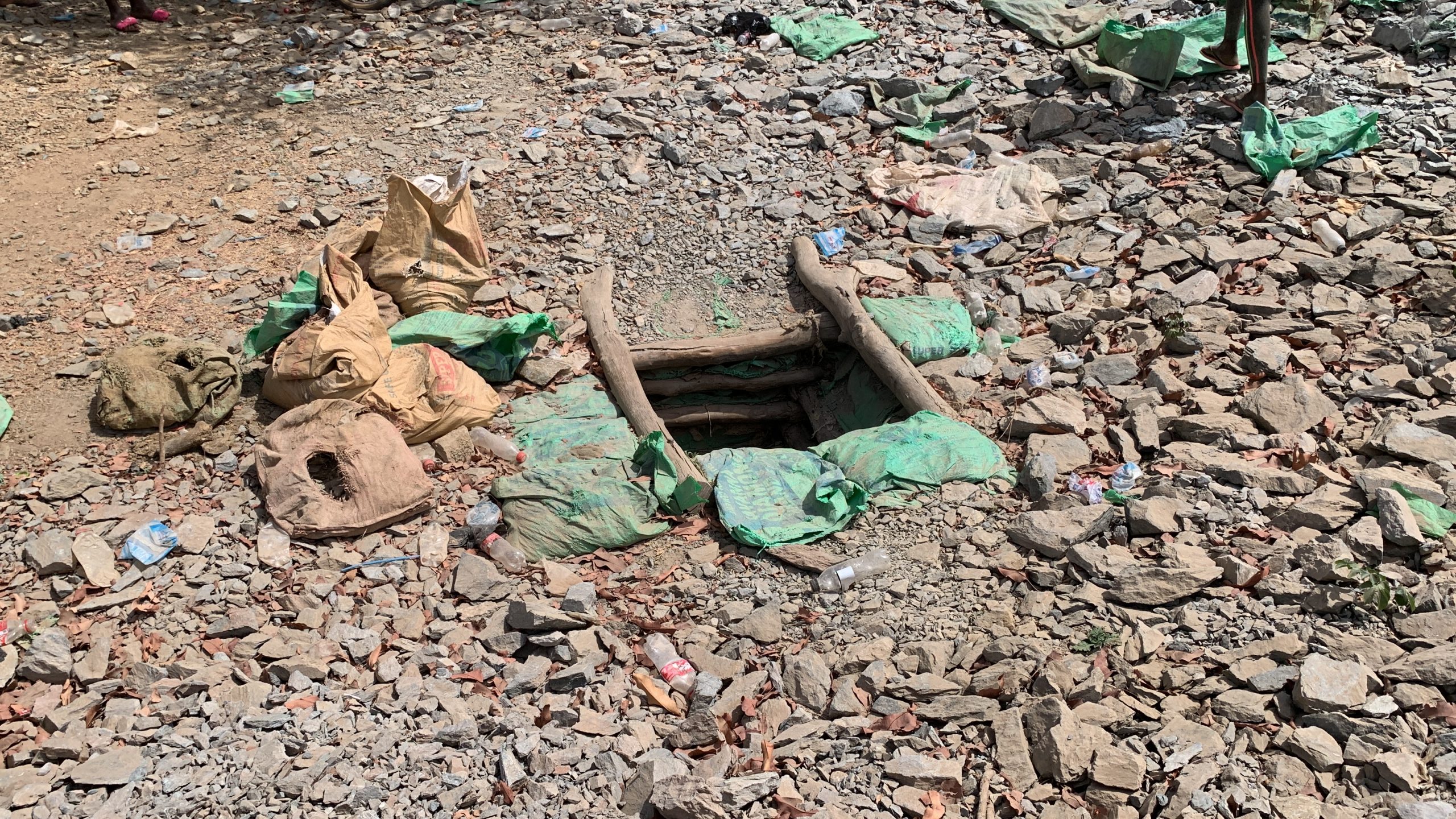
The sun was already unforgiving that Wednesday morning, bearing down hard on the reddish-brown earth of Zongoyire in the Bawku West District. From a narrow pit carved crudely into the land, Ayaaba Awimbe emerged, his body glistening with sweat, his hands coated in mud and dust. He paused briefly to catch his breath, wiping his face with the back of his hand before descending again. This pit, dug with sheer human effort and rudimentary tools, was his livelihood. Together with other young men, he had dug into the earth in search of gold, Ghana’s most coveted mineral.
When schooling loses its shine and gold becomes the dream
Ayaaba is a graduate of Bawku Senior High School. Unlike many of his peers who dreamt of university lecture halls and white-collar jobs, Ayaaba’s journey took a different turn. He does not blame financial hardship for his inability to pursue tertiary education. Instead, he points to the allure of quick money and the perceived futility of schooling in a job-scarce economy. “Education does not guarantee a job,” he said confidently. “Here, in a month, I can make about six thousand cedis. Some people who went to school don’t even earn that.”
For Ayaaba, illegal gold mining, locally known as galamsey, represents opportunity, independence, and wealth. For the land beneath his feet, however, it represents devastation.
From livelihood to liability: How galamsey scars the land
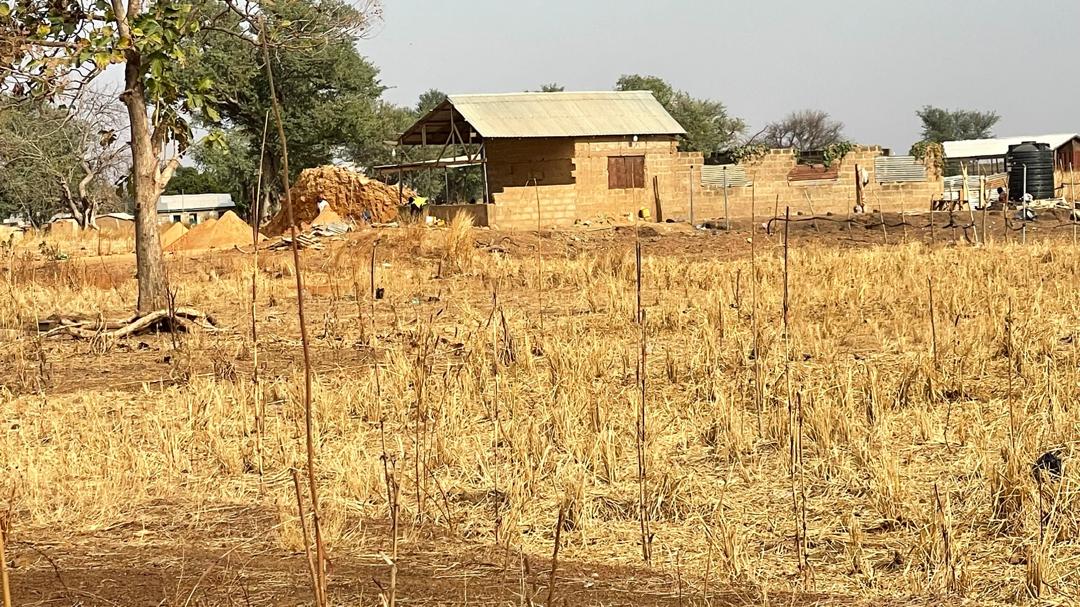
Across the once-fertile landscape of Zongoyire, pits of varying depths scar the earth like open wounds. Trees that took decades to mature have been felled without hesitation to make way for mining. Shea trees, dawadawa trees, and other economic species that sustained women and families have been sacrificed for gold. What remains is a fragmented ecosystem struggling to survive.
Zongoyire is not an isolated case. Across the Upper East Region, gold discoveries have triggered a quiet rush reminiscent of historic gold booms, though without the regulation and safeguards of formal mining. Communities such as Zanlerigu, Nangodi, and Pelungu in the Nabdam District, Gbane, Yameriga, and Sheaga in the Talensi District, Sherigu in the Bolgatanga Municipality, Soe in the Bongo District, Naaga in the Kassena-Nankana Municipality, and Nangurima in the Builsa South District have all become hotspots for illegal mining activities.
Dust, mercury, and explosives: The hidden costs of processing gold
In Gbane, a community better known in recent years for mining-related fatalities, 36-year-old Yinbil Francis descends daily into a trench that stretches more than 50 metres into the earth. Using a locally fabricated system that mimics an underground mine shaft, he and his colleagues go down in batches. Explosives are used to blast gold-bearing ore from the rock, an extremely dangerous practice carried out without professional oversight or adequate safety measures.
Once extracted, the ore is transported to grinding mills. In some communities, such as Sherigu, this process takes place within residential areas. Grinding machines roar through the day, releasing clouds of fine dust that hang heavily in the air. A miner who gave his name only as Akolgo explained the process. “After grinding, the stone becomes like flour,” he said. “We wash it and sieve it using carpets. The gold sticks to the carpet.”
To separate the gold from the sand, mercury is added and stirred. The amalgam is then heated to evaporate the mercury, leaving behind gold. The mercury vapour is released directly into the atmosphere. There are no protective masks, no gloves, no containment systems. According to the World Health Organization, mercury is among the top ten chemicals of major public health concern, capable of damaging the nervous, digestive, and immune systems, as well as the lungs, kidneys, skin, and eyes. Yet for these miners, the risks are invisible compared to the immediate reward of gold.
What many engaged in galamsey fail to realise is that the danger does not end with them. Their activities poison the land, the air, and the water upon which entire communities depend.
Yaw Mort, the Upper East and North East Regional Chairman of the Ghana National Association of Small Scale Miners, acknowledges that some illegal practices hide under the guise of registered small-scale mining. “Even though some of this illegal and irresponsible mining takes place under the cover of registered small-scale miners, we are collaborating with the government to nip the canker in the bud,” he said.
Two paths, one mineral: Illegal pits versus regulated mines
The contrast between illegal mining and registered, regulated mining becomes stark when one examines the operations of large-scale mining companies in the region. In the Talensi District, Cardinal Namdini Mining Ltd and Earl International Group Gold Ghana Limited represent two different but regulated approaches to gold extraction. Cardinal operates a surface or open-pit mine, while Earl runs an underground deep-shaft mine.
In 2019, the Government of Ghana deblocked mining areas in the district for large-scale operations and granted Earl International Group Gold Ghana Limited a large-scale mining licence.
Albert Azongo, Assistant Public Relations Officer of Earl International Group Gold Ghana Limited, emphasised the company’s commitment to safety, environmental protection, and community development. “We have, over the period, made very significant investments in health and safety,” he said. “These include the purchase and supply of high industry-standard personal protective equipment and the employment of Minerals Commission-certified safety officers to lead education and implementation of industry-standard safety procedures.”
According to him, these measures cover both surface and underground operations, with constant collaboration with regulators such as the Minerals Commission. Environmental stewardship, Mr. Azongo noted, is central to the company’s underground mining approach. “We ensure that we meet and abide by regulatory requirements. Whenever there is a need for intervention by the regulator, we rectify the issues. We want to mine in a manner that will keep the environment safe and friendly,” he said, adding that the company’s goal is to ensure the ecosystem remains viable long after mining ends.
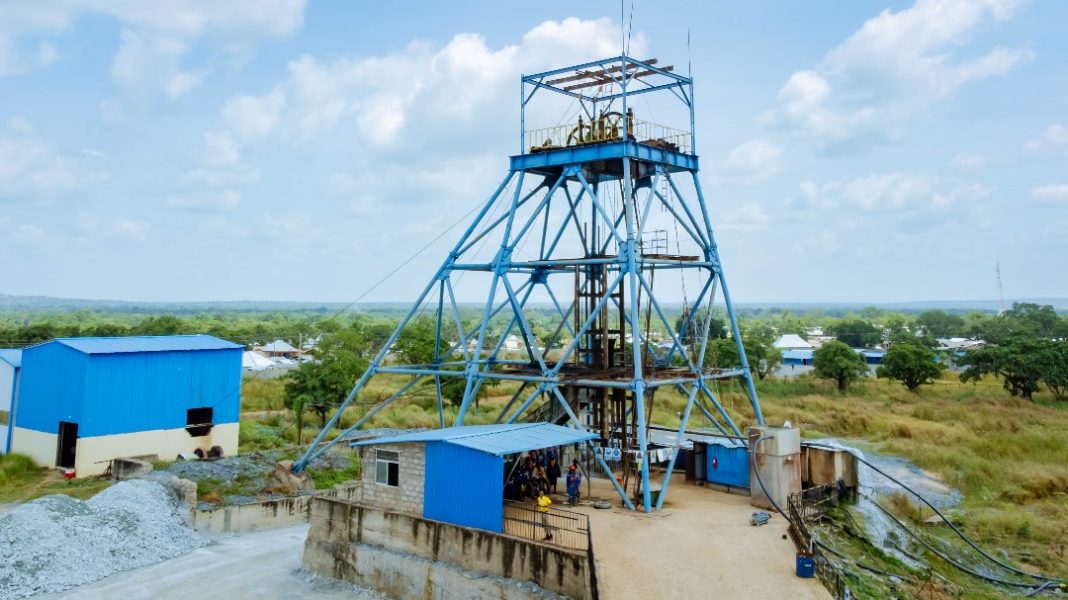
Employment is another area where regulated mining demonstrates tangible benefits. “Earl Group is the largest private sector employer in the region,” Azongo said. “We have employed close to one thousand workers, mostly young people between the ages of 20 and 40. This has improved the social status of many families and positively impacted the regional economy.”
Similarly, Cardinal Namdini Mining Ltd, a subsidiary of China’s Shandong Gold, has embedded responsible mining principles into its operations. The company, which poured its first gold in 2024 after receiving a 15-year surface mining licence, operates under strict regulatory oversight.
Emmanuel Baffour-Asare, Environmental Superintendent of Cardinal Namdini Mining Ltd, explained that responsible mining begins long before the first excavation. “For Cardinal, to mine responsibly, it starts from the planning stage,” he said. “We secured a mining lease from the Minerals Commission, environmental permits from the EPA, water permits from the Water Resources Commission, and approvals from the Forestry Commission.”
Water management is one area where Cardinal has invested heavily in sustainability. “We have quotas for water extraction, but we don’t even take the full quantity,” Baffour-Asare said. “We recycle water from our pits and tailings storage facilities. No water is wasted.”
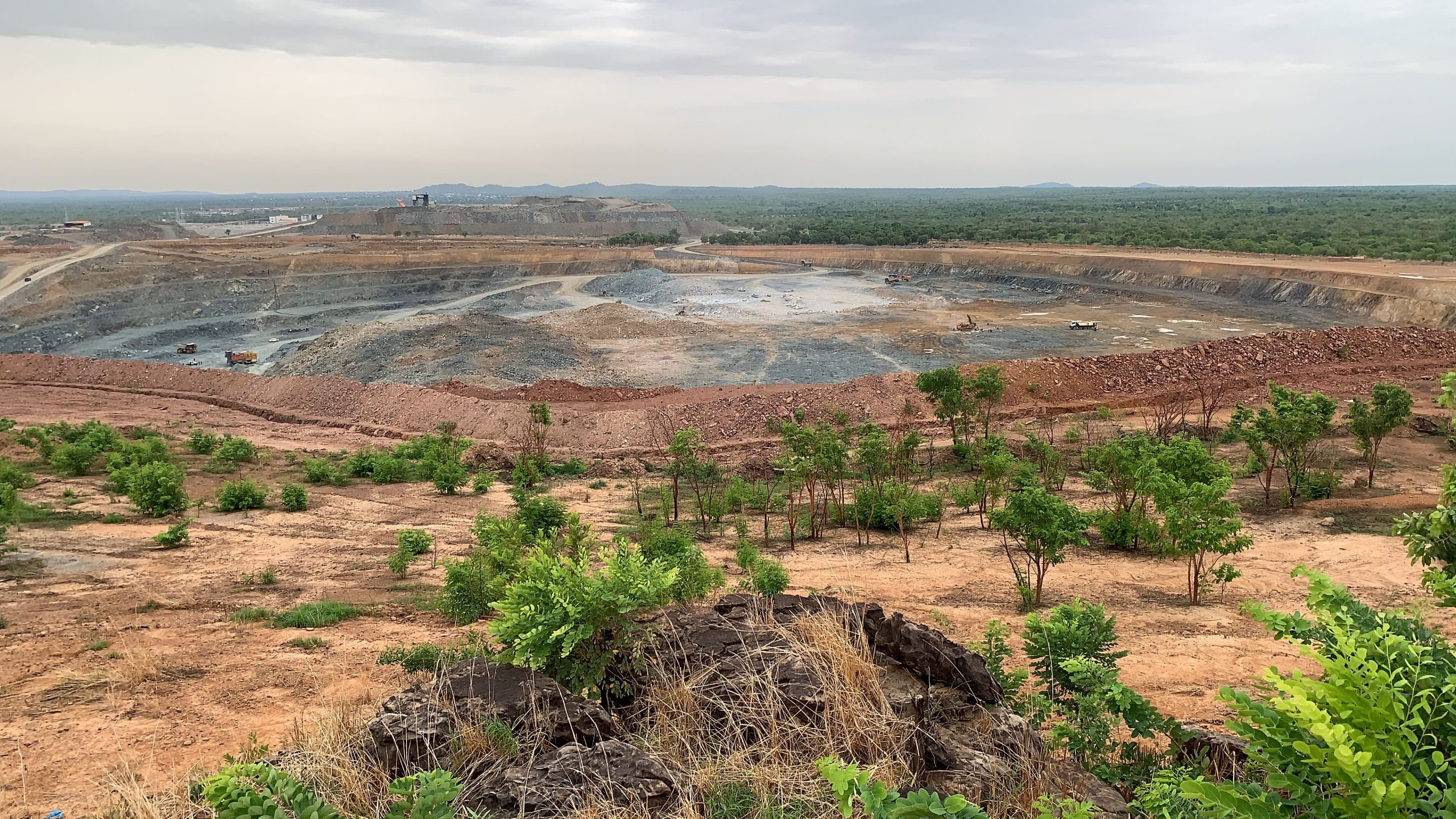
Unlike galamsey operations, where waste is dumped directly into streams, Cardinal uses engineered tailings storage facilities lined with high-density polyethylene sheets to prevent contamination. Clean water is recovered and reused in processing, while wastewater from tunnels, kitchens, and washrooms is treated and repurposed for dust suppression.
Hazardous materials management further distinguishes regulated mining from illegal practices. “We don’t use mercury,” Baffour-Asare stressed. “We use chemicals like cyanide under strict permits from the EPA, FDA, and other regulators. All hazardous materials are stored in bunded areas to prevent leaks into the environment.”
Environmental monitoring is continuous, with boreholes and surface water points sampled monthly and analysed by certified laboratories. “Since we started operations, our water quality levels have remained consistent with baseline data collected years ago,” he noted.
Drawing the line between chaos and control
The difference between such practices and galamsey is not merely technical; it is existential.
Research conducted by the CSIR–Water Research Institute underscores the environmental cost of illegal mining. According to findings presented by Research Scientist Zita Naangmenyele Abuntori, water bodies across the Volta River system, particularly in the Upper East Region, are increasingly contaminated with mercury, cyanide, and heavy metals. Cadmium levels as high as 11.6 mg/L were recorded in some locations, far exceeding safe limits. Mercury contamination linked to artisanal mining threatens public health through bioaccumulation in fish, while cyanide pollution in rivers such as the Yoori White Volta and Gbane–Datoko tributary is worsening.
“These pollutants pose long-term risks to public health, agriculture, and aquatic life,” the study concluded, warning that without stronger enforcement and continuous monitoring, water bodies will remain unsafe.
Emmanuel Yeboah, Principal Programme Officer of the Environmental Protection Authority in the Upper East Region, draws a clear line between registered mining and galamsey. “Illegal mining operations have never regularised their activities,” he said. “They don’t have permits from the Minerals Commission or EPA. They just get up and mine anywhere they think there is gold.”
He noted that while small-scale mining is legally reserved for Ghanaians, it is subject to strict environmental screening. “We ensure concessions are not in water bodies, forest reserves, or sacred groves. No registered small-scale miner is allowed to mine directly in water bodies,” he emphasised.
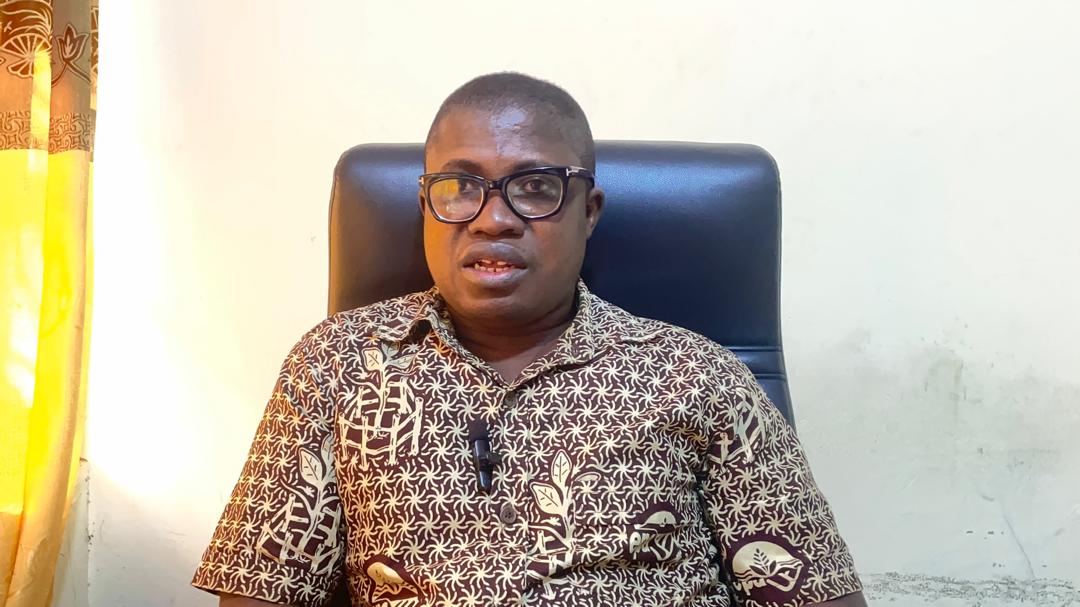
Mr. Yeboah warned that the increasing use of sophisticated machinery by illegal miners, often backed by foreign interests, has escalated environmental destruction. “They destroy farmlands, grazing fields, and economic trees like shea,” he said. “They leave open pits that become death traps for humans and animals.”
He stated that the unregulated use of mercury and, in some cases, cyanide compounds the danger. “Cyanide is not allowed for small-scale mining,” he explained. “It is reserved for large-scale mining under strict controls. But illegal miners can use anything, anyhow.”
For Mr. Yeboah, enforcement alone is not enough. “Using force has not stopped galamsey,” he admitted. “We must intensify education and sensitisation. People need to understand that illegal mining risks their health, the environment, and the future.”
The revenue Ghana is losing to illegal mining
The National Coordinator of the Responsible Cooperative Mining and Skills Development Programme (rCOMSDEP), Ing. Frank Asare Esq, speaking exclusively to this reporter, has renewed calls for sustainable, community-based mining as a practical solution to illegal mining, warning that galamsey continues to deny the country significant revenue.
Mr. Asare said the cooperative mining model being rolled out under rCOMSDEP is designed to be community-owned and strictly regulated to ensure responsible mining practices.
According to him, once mining activities are properly licensed, operations are closely regulated by state institutions. He noted that rCOMSDEP, as an implementing body, also conducts monitoring and evaluation while facilitating training in best mining practices. “We assist in training and bring experts to train them in best practices so that mining is done responsibly,” he added.
Mr. Asare said the long-term vision of the responsible cooperative mining scheme goes beyond regulation to sustainable development. “We are not only talking about responsible mining; we are talking about sustainable mining. If the laws governing mining are respected, the mine life will expand, employment will be created, and people will be taken away from illegal mining sites,” he stated.
He stressed that illegal mining is costing the country heavily in lost revenue. “A lot. If somebody is mining legally, there are statutory payments to the state, including payments to the EPA, the Minerals Commission, and the GRA. Those who are doing it illegally are not paying anything,” he said, adding that even traditional authorities lose revenue due to unregulated operations.
Government pushes for green mining and tougher laws
The Minister of Lands and Natural Resources, Emmanuel Armah-Kofi Buah, has underscored that while mining remains critical to Ghana’s economy, it comes with significant environmental consequences, including water and air pollution as well as land degradation.
He noted that the adoption of green mining practices will help curb illegal mining, popularly known as galamsey, which poses a serious threat to Ghana’s sustainable growth, socio-economic stability, and even human survival.
Mr. Buah cited the Minerals and Mining Act, 2006 (Act 703), as amended by Act 995, which criminalizes mining without a licence and prescribes severe penalties, including prison sentences ranging from 15 to 25 years, as measures to curb illegal mining.
This was made known in his speech during a media engagement on the theme “Green Mining, Best Practices and Responsible Reporting” held at Aburi in the Eastern Region.
The Minister also highlighted Ghana’s commitment to international environmental standards, noting that the country is a signatory to and has ratified key conventions and treaties, including the United Nations Framework Convention on Climate Change, the Paris Agreement, and the Vienna Convention.
As part of ongoing efforts to protect forest resources, Mr. Buah disclosed that an instrument seeking to revoke Legislative Instrument 2462, which empowers the President to grant mining licences in forest reserves, has been laid before Parliament. He explained that the move aligns with the broader national strategy to fight illegal mining.
Wayforward
Responsible mining, as demonstrated by regulated operations, aligns closely with international best practices and the Sustainable Development Goals. It promotes decent work and economic growth, protects clean water and sanitation, safeguards life on land, and ensures responsible consumption and production. It recognises that mining is temporary, but the environment and communities are permanent.
As Ghana grapples with the allure of gold and the urgency of development, the choice is clear. Illegal mining offers quick money but leaves behind poisoned rivers, barren lands, and broken futures. Registered, responsible mining demands patience, regulation, and investment, but it creates jobs, protects ecosystems, and ensures that today’s wealth does not become tomorrow’s curse.
The pits dotted in communities in the region may glitter with promise, but beneath that shimmer lies a stark truth: only responsible mining can truly secure Ghana’s golden future.
The writer, Joshua Asaah is the Head of News, A1 Radio.
Email: joshsaah@yahoo.com