
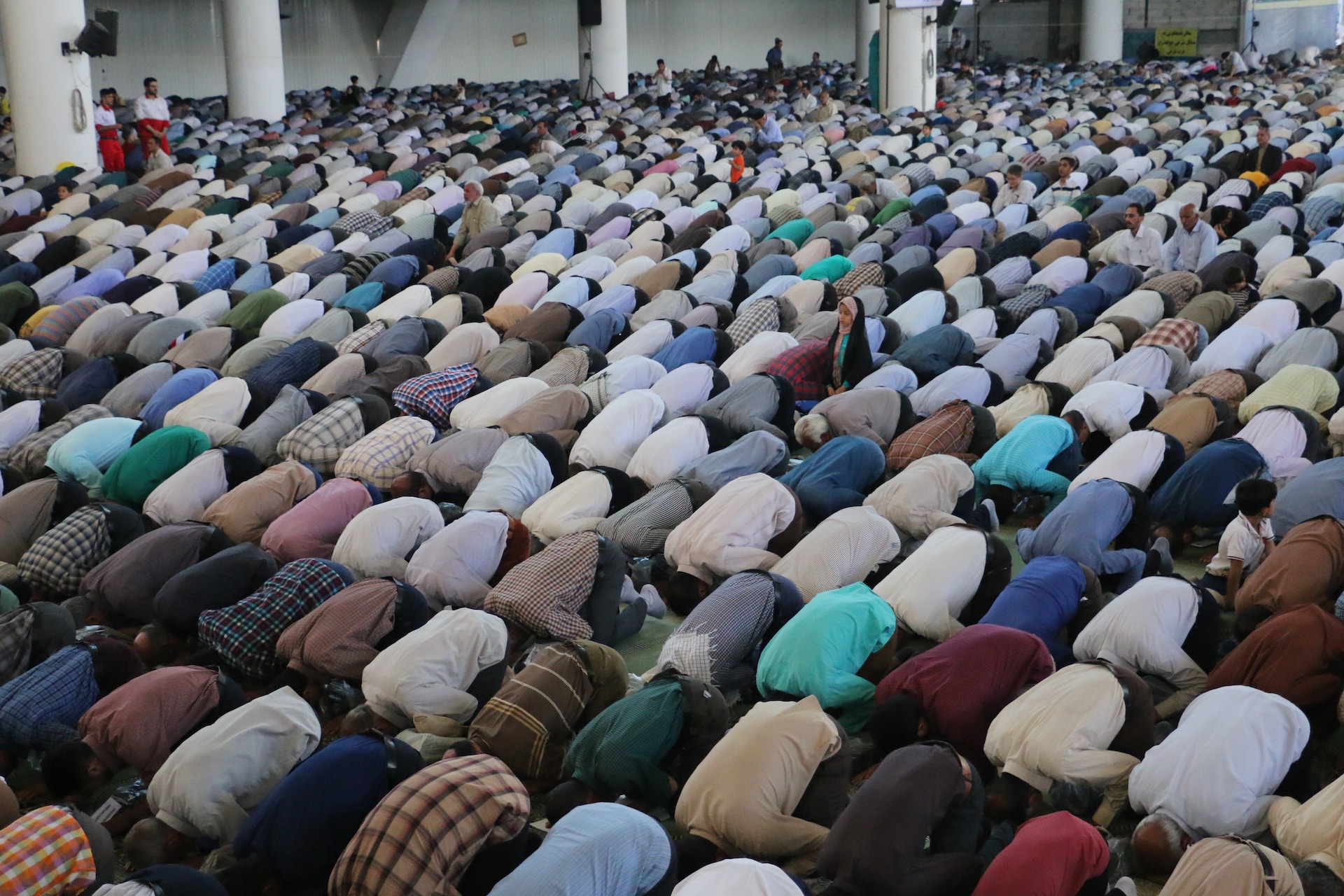
Alhaji Adnan Tahiru, a businessman and philanthropist, has called on Muslims to approach the holy month of Ramadan with sincerity, unity, and a clear understanding of Islamic teachings, emphasizing that it is a period of worship, discipline, and personal transformation.
Speaking on Equal Voices on A1 Radio, Tahiru described Ramadan as a divinely ordained month set aside for fasting, reflection, and increased devotion. He explained that fasting is more than abstaining from food and drink; it also involves avoiding negative behavior, harmful speech, and desires that hinder spiritual growth. “The essence of fasting lies in purifying the heart, controlling the ego, and fostering empathy for others,” he said.
He highlighted that in Islam, the value of every action is judged by the intention behind it. “If the intention is pure, Allah gives you a pure reward. But if the intention is not right, then what we do may lose its value,” Tahiru said, underlining the importance of approaching every act during Ramadan with the sole purpose of pleasing Allah.
Tahiru also addressed the roles of men and women during the month, stressing that responsibilities should be guided by mutual cooperation rather than cultural expectations. While women often prepare meals for suhoor and iftar, these acts, when done with the intention of pleasing Allah, become acts of worship with immense spiritual reward. He noted that anyone who helps another person observe or break their fast is also rewarded.
Acknowledging modern realities, he encouraged practicality in households. “It is not practical to delay breaking the fast because the mother or wife has not returned home. Islam encourages ease and flexibility. The father or husband can prepare something simple to break the fast,” he explained, emphasizing shared responsibility.
Shared duties, he said, strengthen family bonds, make women feel appreciated, and reflect the true spirit of Islam. “Cooperation within the home ensures that Ramadan becomes a source of blessing and harmony rather than stress,” Tahiru added.
On modesty, he urged Muslims to dress appropriately and behave with dignity during Ramadan. He advised against wearing revealing clothing or strong perfumes intended to attract attention, describing such actions as inconsistent with the spirit of fasting and reflection.
Tahiru also stressed the need to distinguish between cultural practices and religious teachings. Actions during Ramadan, he said, should be rooted in Islamic guidance rather than societal norms or cultural pressures.
He concluded by encouraging families to support one another, avoid conflict, and view every act—from preparing meals to fulfilling daily responsibilities—as opportunities for worship. “Everything we do in Ramadan should be to please Allah. When we perceive our actions as acts of worship, we maximize the reward and deepen our spiritual growth,” he said.
Tahiru reminded Muslims that Ramadan is not merely a period to endure but a time for personal transformation, strengthening faith, and cultivating closer ties with Allah. By practicing sincerity, fostering cooperation, and committing to worship, believers can fully experience Ramadan’s blessings and carry its impact beyond the holy month.
A1 Radio | 101.1 Mhz | Keziah Porepeya Nsoh | Bolgatanga