
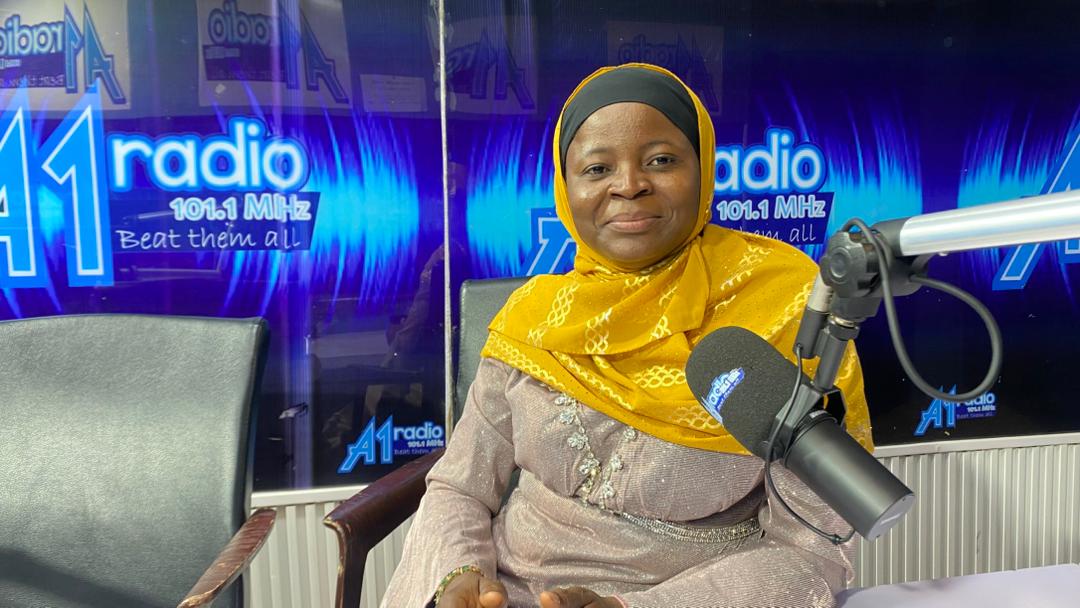
Fauzia Haruna, a media practitioner, has shared an in-depth look at what Ramadan truly entails for women, highlighting the spiritual, emotional, and practical responsibilities that often go unseen during the holy month. Her reflections shed light on the challenges and rewards of balancing fasting, household duties, and family care while maintaining spiritual focus.
She begins her day at 3:30 a.m. to prepare suhoor, the pre-dawn meal, and continues her routine late into the night. “If I don’t manage my time well, I might not sleep until 1 a.m. The work must be done, and that’s very important to me,” she said. Preparing suhoor, she explained, is not just about making food. “The meal must be nutritious, healthy, and suitable for worship. You have to consider what will not dehydrate your family, what will keep them healthy, and what will allow them to perform prayers properly.”
Harun often starts meal preparation the night before, chopping vegetables or partially cooking staples to make mornings manageable. “I sometimes prepare ingredients or start cooking at night so that in the morning, I just complete the meal. It saves time and ensures everything is ready for suhoor,” she explained. Meals must be light yet filling, supporting energy for fasting without causing discomfort during prayers.
The emotional dimension of Ramadan is equally demanding, especially for children. Harun shared the challenges of guiding her children through their fasting experiences. “Some children miss suhoor and feel guilty. You must comfort them, explain that Allah accepts their effort, and encourage them. Ramadan is as much about emotional support as it is about fasting.” She recounted a moment with her nine-year-old, who insisted on fasting despite missing the pre-dawn meal, explaining that she had to patiently reassure her child to avoid overexertion.
Beyond cooking and childcare, women carry the responsibility of managing daily family routines. “You must observe your family’s needs and support them throughout the day—preparing meals, helping children perform ablution and prayers, managing school routines. It’s all part of the work during Ramadan, and it can be emotionally demanding,” she explained. Harun stressed that Ramadan is not only about fasting but also about maintaining harmony and supporting the spiritual growth of every household member.
Shared responsibility within the home is essential, she said. “Men should support women in practical ways, such as waking children, assisting with prayers, or helping prepare simple meals. Cooperation reduces stress and ensures Ramadan is a source of blessing for the entire family.” Harun emphasized that when households work together, women feel appreciated and less burdened, allowing everyone to experience the spiritual and communal benefits of the month.
Community engagement is also vital. “Ramadan is a month of giving. Even a small portion of food or drink sent to the masjid or shared with neighbors benefits everyone. It teaches children the value of generosity and kindness. You gain reward, and your family sees that helping others is part of Ramadan,” she explained.
Harun also recounted personal experiences of stress and anxiety during Ramadan, particularly during her pregnancies. “Ramadan comes with some form of anxiety. I’ve lost a pregnancy due to stress over preparing meals and managing responsibilities. I was so anxious, worrying about timing, meals, and what I needed to do for the family,” she said. These experiences underscore the importance of shared responsibilities and family support.
She urged women to seek help and delegate tasks wherever possible. “Not everything will be perfect, but trying matters. Give age-appropriate chores to your children. Ask for help from your spouse. Women must prioritize their health and wellbeing while managing family responsibilities. You cannot do everything alone, and that’s okay,” she said.
Intentions, Harun stressed, are at the heart of Ramadan. “Everything we do—cooking, helping, supporting—should be seen as an act of worship. Allah rewards based on our effort and capabilities. This perspective transforms everyday tasks into spiritual growth and strengthens family bonds,” she explained.
She shared practical strategies for navigating Ramadan: helping children prepare for prayers, sharing chores, or providing simple iftar meals all contribute to a harmonious home. Men should participate actively, and children should be involved to understand responsibility and generosity. “When families engage together, Ramadan becomes a shared experience of learning, giving, and devotion,” she said.
Harun described the delicate balance between health and devotion. “While fasting is important, women must ensure they eat nutritious meals and take care of themselves. Even when busy, it’s vital to prioritize health. If the mother is strong and well, she can better care for the family and support their spiritual journey,” she said. She advised pacing oneself, taking breaks, and avoiding overexertion to prevent stress-related complications.
She concluded by emphasizing intention, cooperation, and balance. “Ramadan is rewarding, but it requires planning, support, and self-care. Families who work together and approach the month with intention can experience growth, harmony, and meaningful spiritual connection. It’s a time to strengthen relationships within the home, contribute to the community, and nurture one’s own wellbeing,” she said.
A1 Radio | 101.1 Mhz | Keziah Porepeya Nsoh | Bolgatanga