
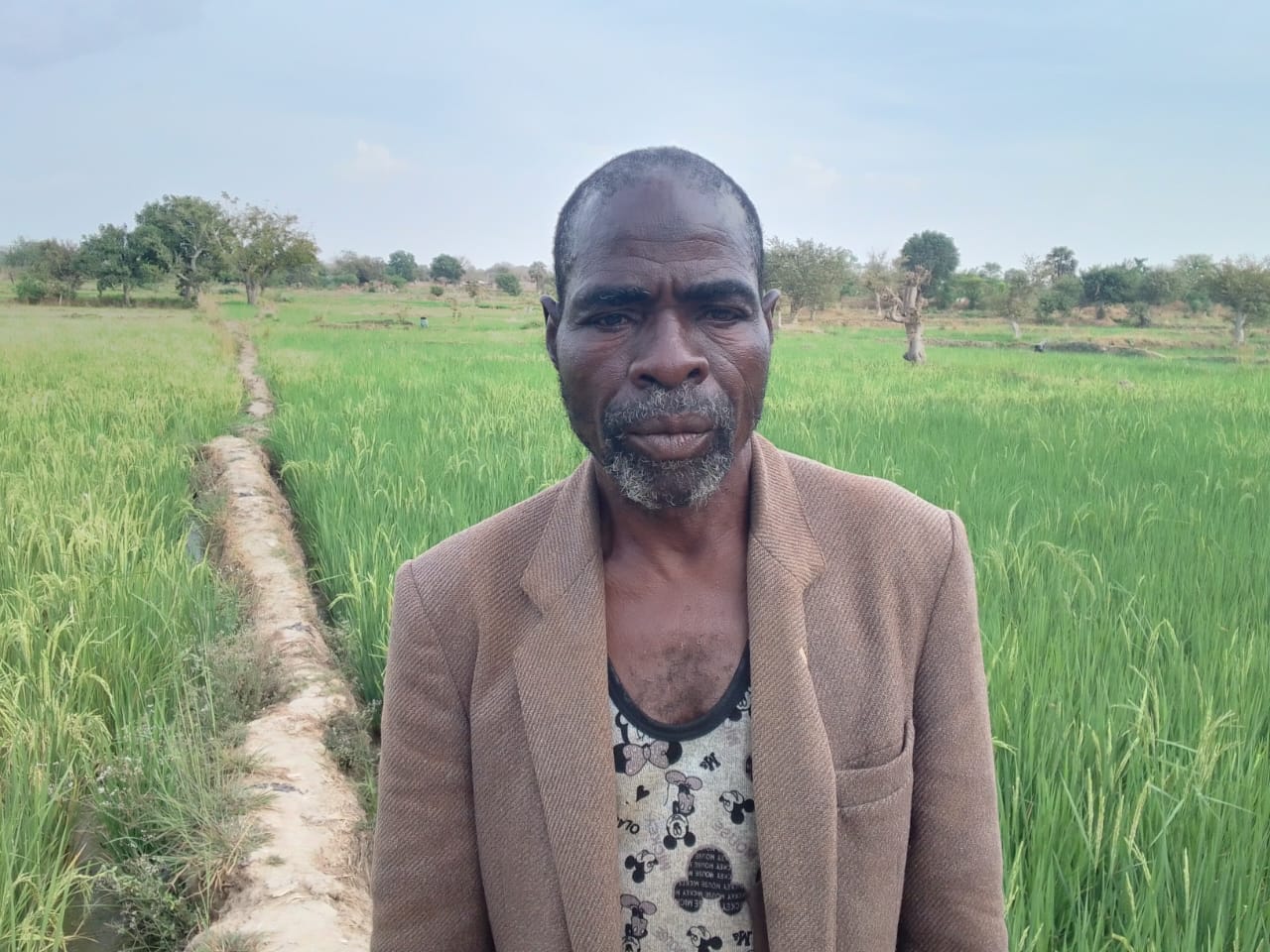
The President of the Vea Irrigation Farmers Association, Seidu Ayorimatia, says restrictions on tomato imports could create new employment opportunities for women and revive local farming in the Upper East Region.
He explained that communities such as Zaare, Sumbrungu, Nyariga, and Vea have in recent years experienced an influx of imported tomatoes, often sold at lower prices than locally produced ones. While this trend may benefit consumers in the short term, he noted that it has had damaging long-term effects on local farmers, particularly women.
Mr. Ayorimatia said tomato farming in the Upper East Region is largely driven by women, who play key roles across the value chain—from cultivation and harvesting to processing and marketing. However, increased imports have reduced demand for local produce, leading to declining incomes and job losses.
“Government can protect local farmers from unfair competition and encourage investment in domestic tomato production,” he said.
According to him, restricting imports would boost demand for locally grown tomatoes, allowing women farmers to expand production and improve their incomes.
He added that such a move would also have wider economic benefits.
“It would create a ripple effect across related sectors such as transportation, packaging, and agro-processing, further boosting employment opportunities for women,” he said.
Mr. Ayorimatia further noted that strengthening local production aligns with Ghana’s broader goals of food security and sustainable agriculture.
“Encouraging local production reduces dependency on foreign imports, enhances the resilience of the agricultural sector, and promotes environmentally friendly farming practices suited to Ghana’s conditions,” he said.
He also recalled that in the past, women travelled from communities such as Yelwongo, Sirigu, and Zorko to farming areas to work on tomato farms, earning incomes that supported their households.
“These women worked diligently, earning wages that supported their livelihoods and allowed them to send tomatoes back home,” he said.
He noted that the decline in local tomato farming due to rising imports has significantly reduced such opportunities, affecting women’s economic empowerment in rural communities.
A1 Radio | 101.1 MHz | Joseph Napoleon Anaaya | Bolgatanga