
For Wolani Piinag, learning to sew is more than acquiring a skill; it is a desperate attempt to secure a livelihood and give her family a more dignified life.
The young mother in her early 20s is married with a child and lives with her husband in Kongo in the Nabdam District of the Upper East Region, where limited household resources have made it difficult for the family to meet their daily needs.
Piinag is learning dressmaking at the Center for National Culture Vocational Training Institute, hoping that completing her training and acquiring a sewing machine will enable her to earn an income and contribute to feeding her family.
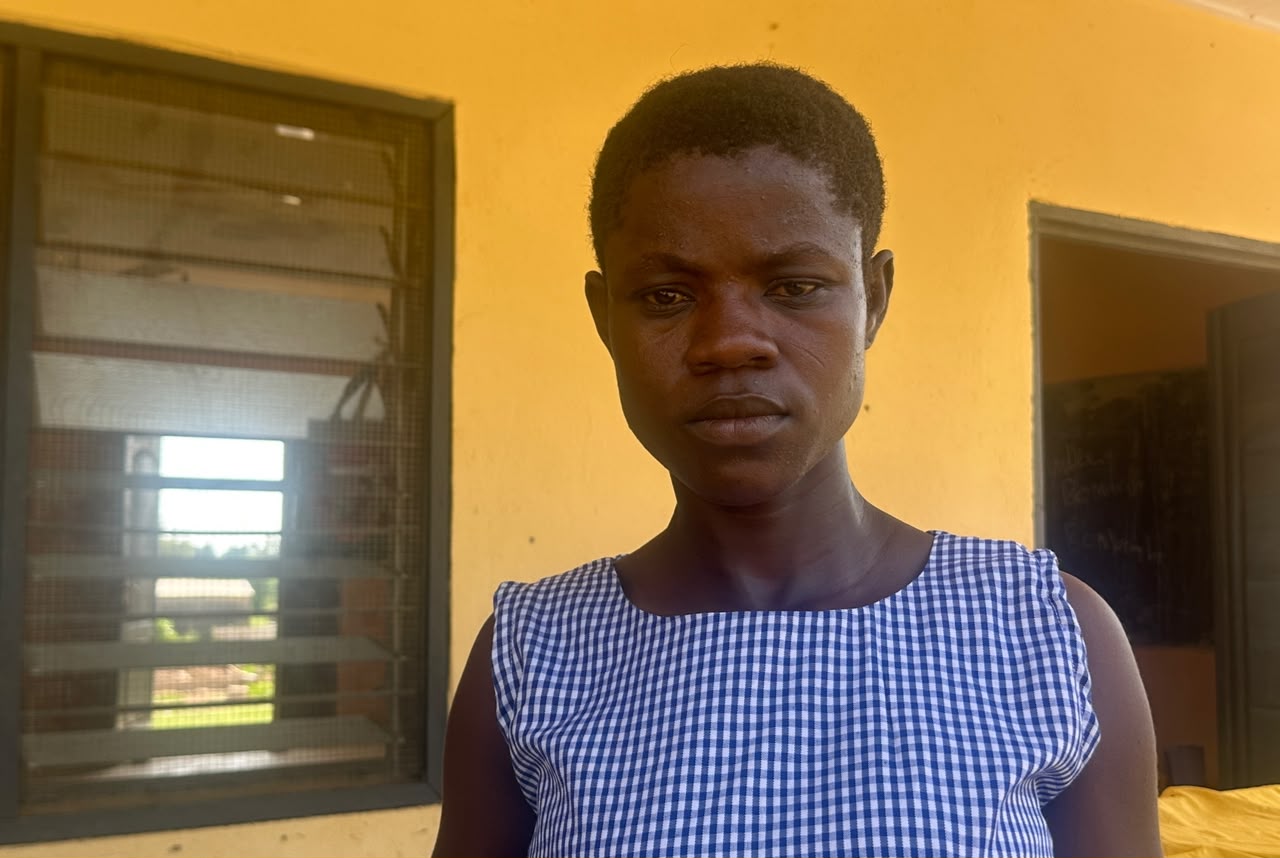
“Yes, if I pass out and have a sewing machine, I can be doing something to feed my family and myself.”
For 32-year-old Yenpocka Yendoug, however, the struggle for survival is even more difficult.
A mother of three, two girls and a boy, Yenpocka is not married and lives with her father. Her daily search for food for her children has become a painful struggle she says she would not wish on any mother.
“Sometimes, what to eat is a challenge,” she said in a sad tone.
Yenpocka also lives with a physical disability after her right leg was amputated following a strange illness. Her condition has made it difficult for her to move around and participate fully in community activities that could provide her with an income.
“My leg sometimes makes it challenging to participate in activities that can get me income. So, I see this training as the only thing that can help me earn a living and provide for my children.”
Her eldest child, a boy, has dropped out of school, adding another burden to a mother already struggling to provide for her family.
Yet, amid the hardship, Yenpocka sees hope in vocational training, where she is learning sewing.
“I believe and hope that one day things will change for me and my children,” she added.
Piinag and Yenpocka are among more than 50 trainees at the community-initiated vocational centre, established in 2024 to provide skills training for people from disadvantaged backgrounds.
The centre operates from the old Kongo Senior High School building and currently trains young people in hand textile weaving, dressmaking and cosmetology.
Hand textile weaving has 32 trainees, dressmaking has 21, while six are enrolled in cosmetology.
A centre for vulnerable people
Coordinator of the centre, Madam Gladys Ayamga, says each trainee arrives with unique personal circumstances.
“All of them here have their unique stories. If you are to listen to each one of them, you will end up wondering whose story needs more attention than the other.”
She describes the centre as a blessing to the trainees, saying its absence could have left many without an opportunity to acquire employable skills.
Madam Ayamga says 20 trainees completed the programme when the centre started in 2024, with many of them now doing well.
But the centre continues to struggle with inadequate practical equipment.
“We lack basic practical tools for them to practise. We have only a few and, looking at the number, most of them will not get the opportunity to practise.”
Support brings renewed hope
The Member of Parliament for Nabdam, Dr Mark-Kurt Nawaane, responded to the centre’s equipment needs after hearing about the challenges facing the trainees.
He donated 15 sewing machines and provided GH¢5,000 to support the operations of the centre.
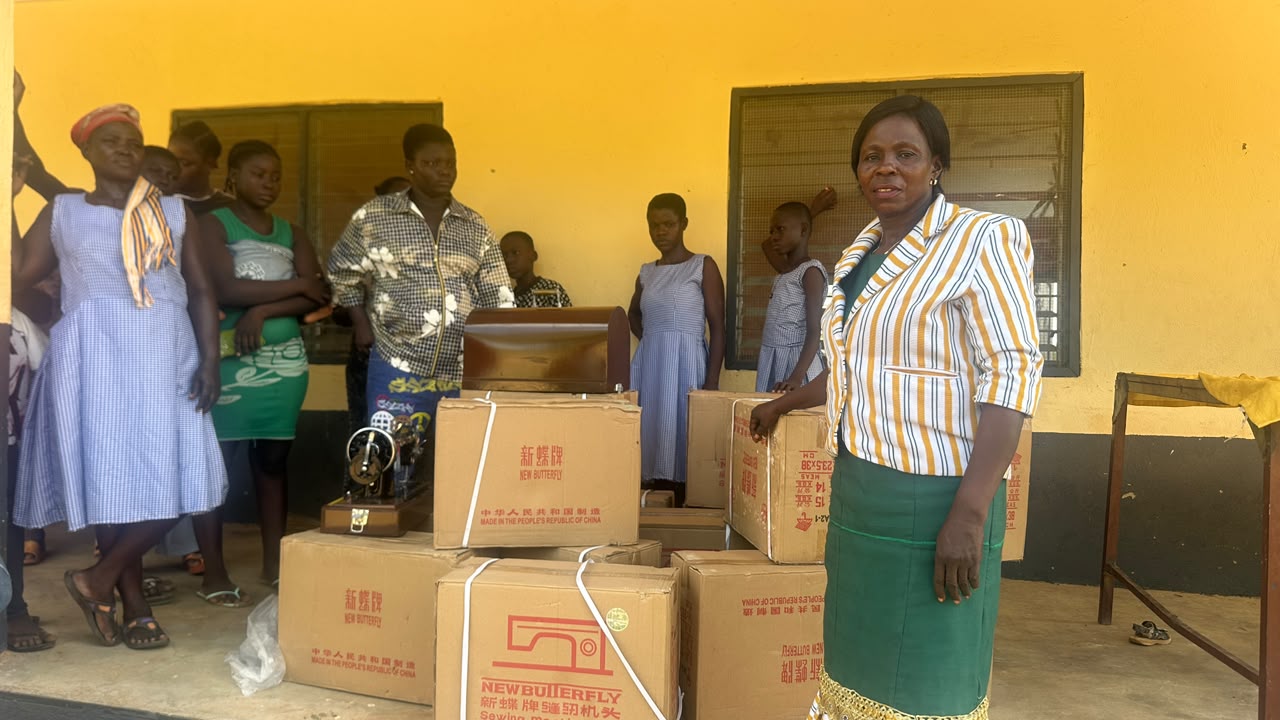
“Initiatives like this need all of us to come together and support them,” Dr Nawaane said.
He also indicated that he would visit a similar vocational training centre in Sakoti to assess its needs and explore ways of supporting it.
For Piinag and Yenpocka, the support represents more than equipment. It is a chance to acquire skills, earn an income and move their families beyond daily survival.
For Madam Ayamga, however, more support will be needed to ensure that the centre can provide trainees with the practical tools required to turn their skills into sustainable livelihoods.
A1 Radio | 101.1 MHz | Moses Apiah | Nabdam