
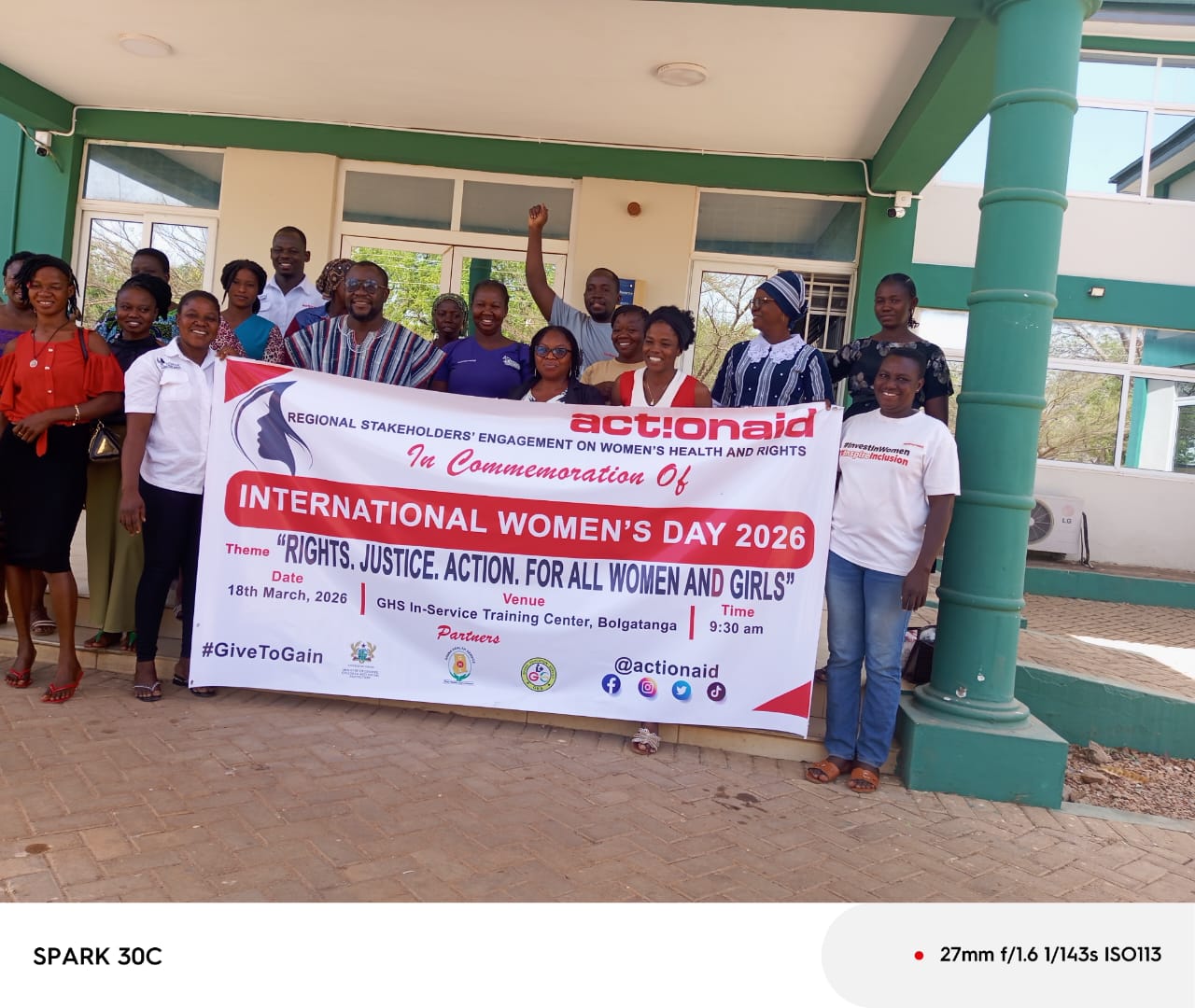
A strong call to prioritize women’s health and rights, particularly adolescent-friendly services, dominated discussions at a regional stakeholders’ dialogue organized by ActionAid Ghana as part of International Women’s Day 2026 activities.
Held under the theme “Rights. Justice. Action. For All Women and Girls,” the dialogue brought together health, education, and governance actors to address persistent barriers affecting women and girls in accessing quality healthcare.
Delivering the keynote address, ActionAid Ghana Program Manager Yakubu Akuka called for immediate action.
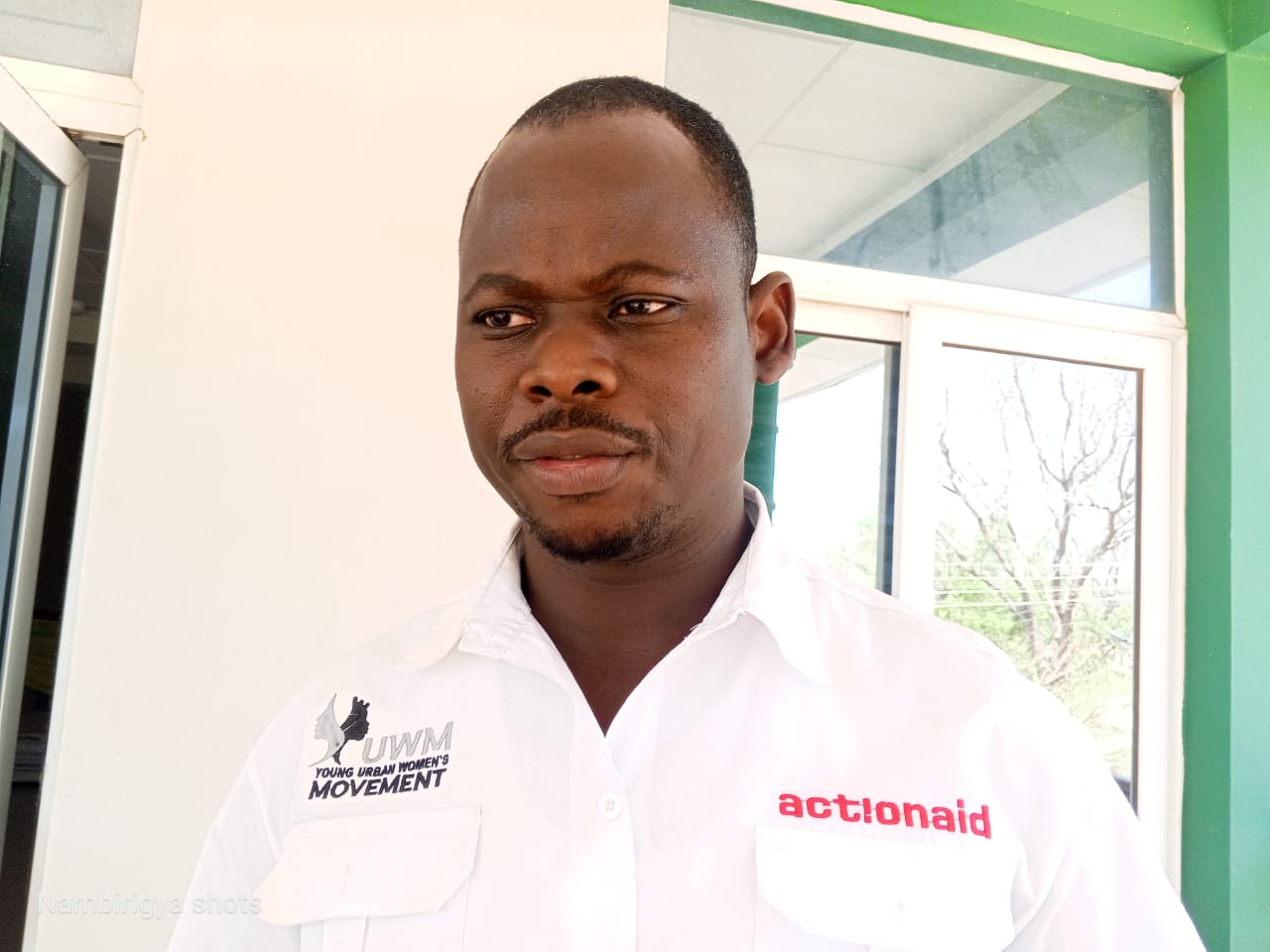
“Today’s gathering is not just another meeting; it is a call to reflect, to hold ourselves accountable, and to take action to improve the health and rights of women and girls, especially adolescents in our communities,” he said.
Akuka highlighted ongoing challenges such as stigma, limited access to services, and concerns about privacy, particularly for adolescents seeking care.
The dialogue focused heavily on Adolescent-Friendly Health Corners. A 2025 assessment in Bawku West, Talensi, and Nabdam districts found that while these structures exist, significant gaps remain in functionality, accessibility, and responsiveness.
Acting Deputy Regional Director of Public Health Dr. Ahmed Zakaria Adam underscored the need to expand health priorities to include adolescents.
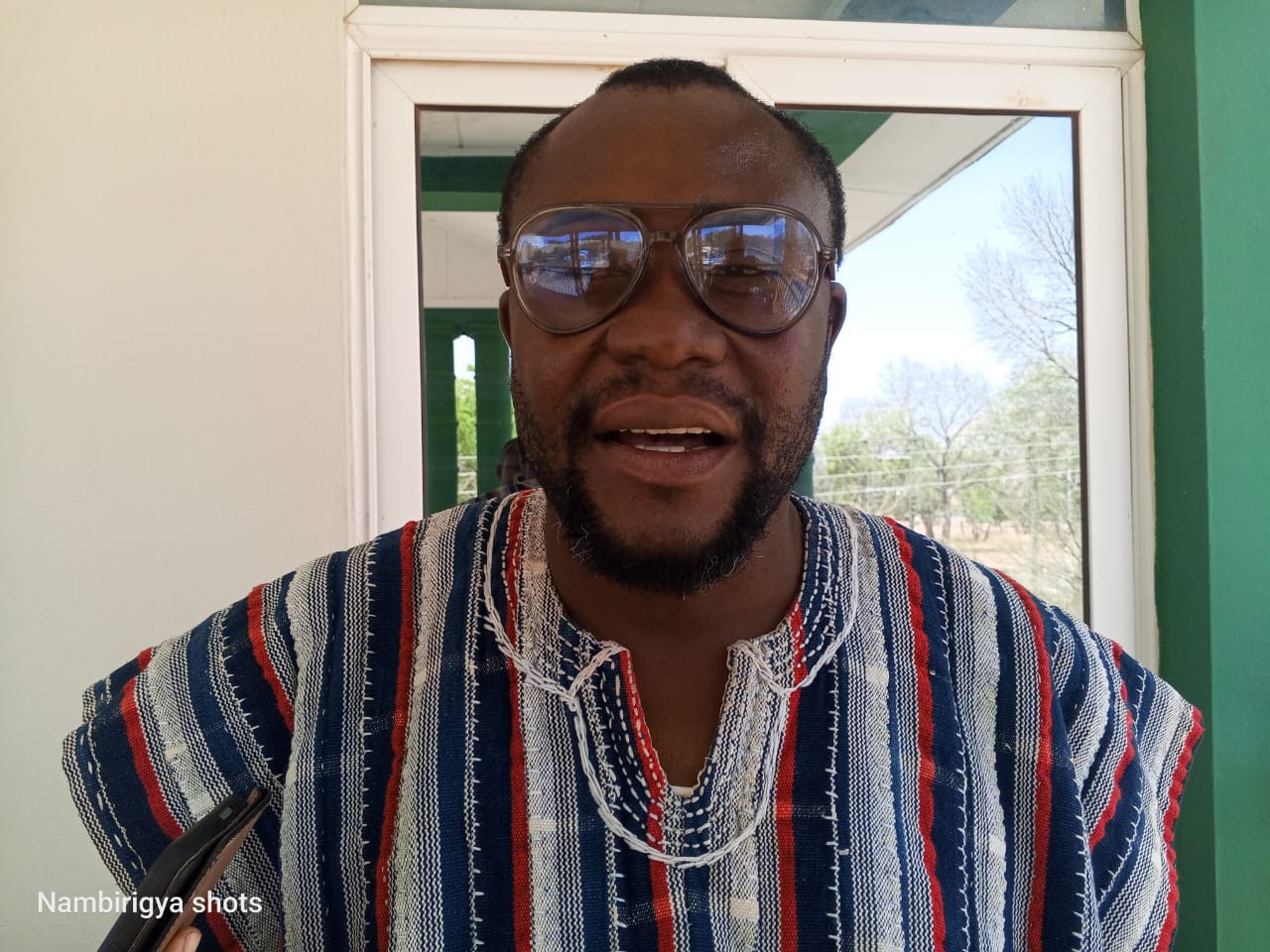
“For a long time, the health sector has concentrated on child and maternal health. Now, it is time to deliberately include adolescent health corners and create safe spaces that respond to the unique needs of young people,” he said.
Dr. Ahmed emphasized the importance of training health professionals to serve adolescents professionally, confidentially, and without judgment.
“We need to invest in training and retraining health workers so they can receive adolescents appropriately, maintain confidentiality, and provide the right support,” he added.
He also highlighted the critical role of families and communities in supporting adolescent health.
“Adults are the caretakers of these adolescents. They must be educated on the need to make homes safe for young people and to encourage them to visit adolescent-friendly corners in our health centres,” he said.
Education stakeholders stressed cross-sector collaboration to improve outcomes for girls.
“There should be stronger collaboration between health and education sectors, particularly in training girl-child coordinators in both first- and second-cycle institutions,” they said.
Equipped with the right skills, coordinators can help schools support adolescent girls through reproductive health education, guidance, and referrals to appropriate services.
Stakeholders noted that functioning adolescent-friendly corners provide accurate information, counseling, and confidential services, reducing teenage pregnancies, unsafe abortions, and sexually transmitted infections, including HIV/AIDS. When access is limited, adolescents often turn to unreliable sources or unsafe alternatives, increasing their vulnerability and risk of school dropout.
Participants emphasized that improving adolescent health is a broader development issue affecting education, livelihoods, and future opportunities for girls.
Organizers reiterated that collaboration remains key, urging all stakeholders to strengthen systems that are inclusive, responsive, and accessible to women and girls.
The event concluded with a renewed call for accountability and sustained action to ensure adolescent-friendly health services are fully functional.
A1 Radio | 101.1 Mhz | Mercy Yamtot | Bolgatanga