The Narcotics Control Commission (NACOC) has uncovered a growing trend in drug trafficking operations in the Upper East Region, where bus drivers, mates, and other transport workers are being used as intermediaries to move illicit substances across communities.
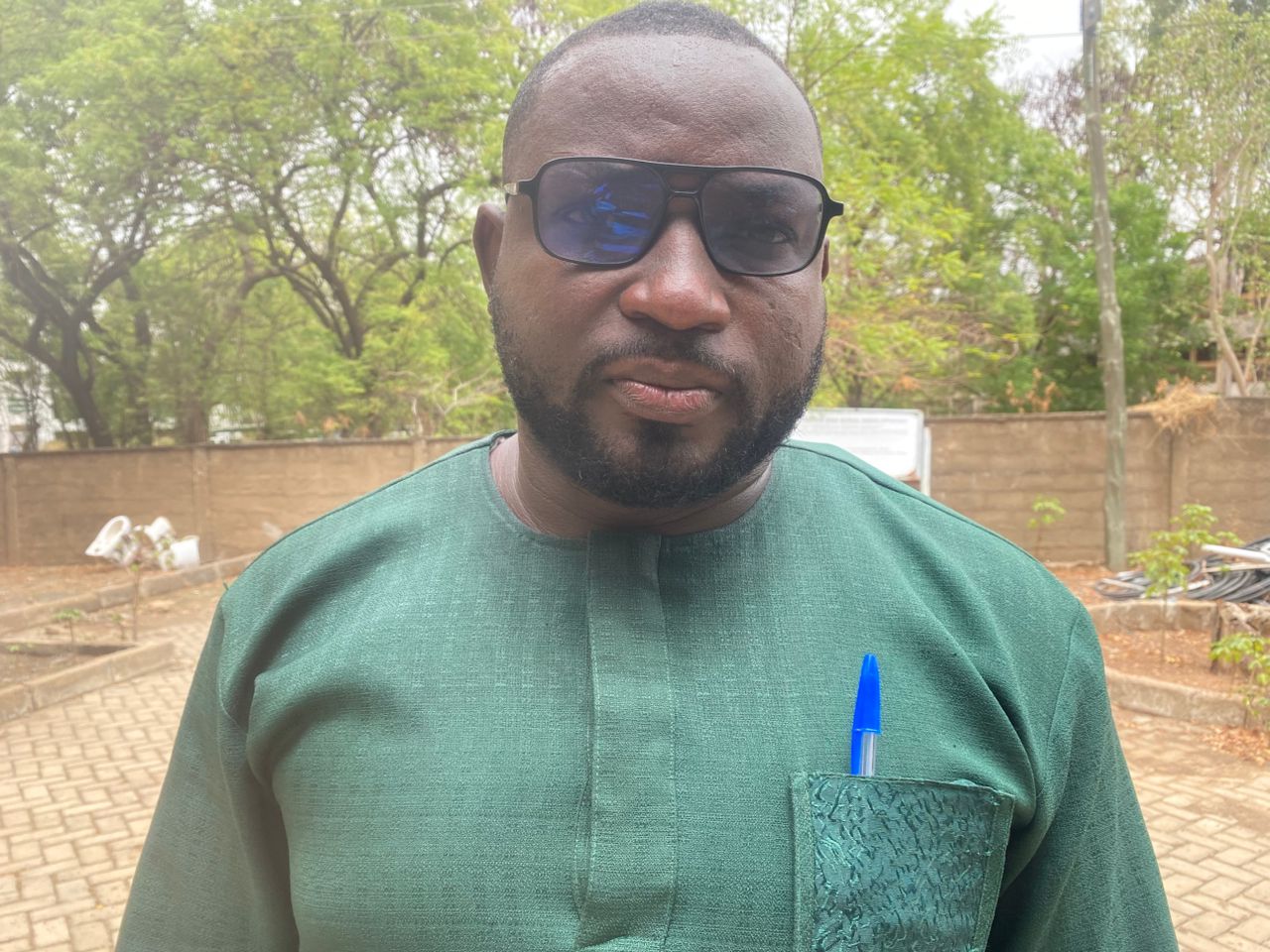
Speaking in an interview with A1 News, Deputy Regional Commander Abuchow Marshall revealed that recent covert operations at major bus terminals exposed a deliberate shift in how traffickers move drugs.
According to the Commander, traffickers are increasingly avoiding formal parcel offices at transport terminals—where documentation and checks are more likely—and instead handing over drugs to third parties such as bus mates, drivers, and other staff.
“They do not send these drugs through the official parcel offices that charge fees and conduct checks,” he explained. “Instead, they pass them to drivers or mates, creating a third-party system.”
He noted that these individuals often transport the drugs discreetly, and upon arrival, recipients quickly retrieve them even before regular luggage is offloaded, making detection more difficult.
In response, NACOC says it has intensified its presence at bus terminals across the region as part of a broader crackdown on trafficking networks.
“We have resolved as a command that we will always be at the bus terminals,” Marshall stated. “Our presence alone will serve as a deterrent. People should know that our core mandate is to fight drug trafficking and, by extension, drug abuse.”
He issued a stern warning to traffickers, cautioning against using the Upper East Region as a transit or destination point.
“Do not bring drugs into this region. When we get you, no amount of mercy will be shown,” he emphasized.
Beyond enforcement, the Deputy Commander also highlighted the role of families in addressing drug abuse, particularly among young people.
He expressed concern about what he described as a widening “parental gap,” where poor communication between parents and children prevents early detection of risky behaviours.
“When children cannot freely speak to their parents, they are more vulnerable to peer pressure,” he said. “A child who feels safe communicating at home is more likely to report when they are exposed to drugs.”
He urged parents to build closer relationships with their children, encourage open dialogue, and remain actively involved in their lives.
The Commission is also calling on the public to support its efforts by reporting suspicious activities and seeking help when needed.
“Our office is always open,” Marshall assured. “Whether it is to report trafficking or to seek counselling for someone struggling with drug abuse, we are ready to assist.”
The latest revelations underscore the evolving nature of drug trafficking in Ghana and highlight the need for coordinated efforts between law enforcement, families, and communities to combat the menace.
A1 Radio | 101.1 Mhz | Samuel Adagom | Bolgatanga