
A major investment in specialist medical training by a church-run health service in northern Ghana could be undermined if adequate infrastructure is not put in place to support returning specialists.
Peter Akudugu Ayamba, National President of the Ghana Physician Assistants Association and a health administrator within the Catholic health service, says the Diocesan Health Service has spent significant resources sponsoring doctors for specialist training as part of efforts to improve healthcare delivery in underserved communities.
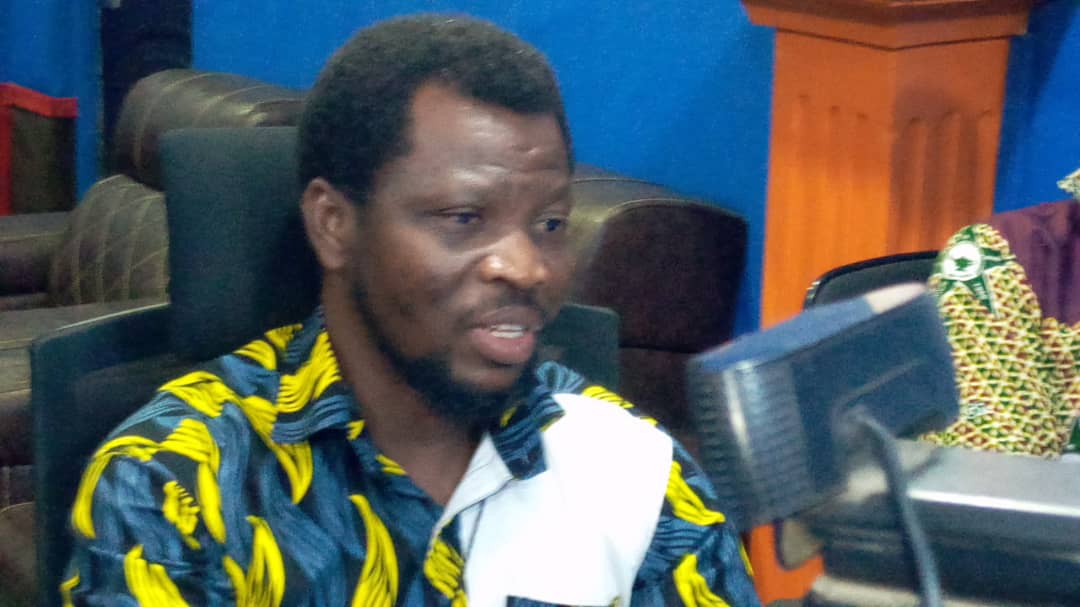
Speaking on A1 Radio, Mr. Ayamba disclosed that the Diocesan Health Service has sponsored doctors to pursue specialist training as part of efforts to improve healthcare delivery in underserved communities. According to him, one doctor is completing specialist training in orthopaedics, while another is expected to qualify as a family physician in the coming months. The orthopaedic specialist’s training, which is being undertaken outside the country, has been fully funded by the church.
“I have specialists in the making. In September one will be finishing on family health. Another one will be finishing on orthopedics. So that’s the plan. That’s the sacrifice we need. So I’m just praying that September reaches.”
However, Mr. Ayamba said the next challenge is creating the infrastructure necessary for the specialists to practise effectively when they return. He said plans are underway to establish an orthopaedic centre at St. Lucas Hospital in Wiaga to serve residents across the catchment area, including communities in neighbouring districts.
He indicated that the project will require substantial investment in equipment and facilities and appealed for support from development partners and donors to help make the initiative a reality. He added that failing to provide specialists with the tools and environment needed to work after years of investment in their training could jeopardise efforts to retain them in the region.
“Currently, one of my hospitals have to rely on local doctors because you know, where they are, once they come in, it is time for them to go to school. It is difficult to ask them to stay because once you do that, then they will just say okay I am resigning. So virtually I had to grant all of them to go to school,” he said.
“They are all in school and I am not getting a replacement, and technically on payroll, it seems to suggest that you have too many doctors,” he added.
The Diocesan Health Service operates 14 health facilities across the Upper East and North East regions, serving largely rural and underserved populations. Mr. Ayamba pointed out that the strategy of training specialists is intended to improve access to quality healthcare in communities that often struggle to attract and retain highly skilled medical professionals.
He expressed optimism that the returning specialists will strengthen healthcare delivery in the area but stressed that infrastructure development must keep pace with human resource investments to ensure long-term benefits for patients.
A1 Radio | 101.1 MHz | Gifty Eyram Kudiabor | Bolgatanga