Home Blog Page 16

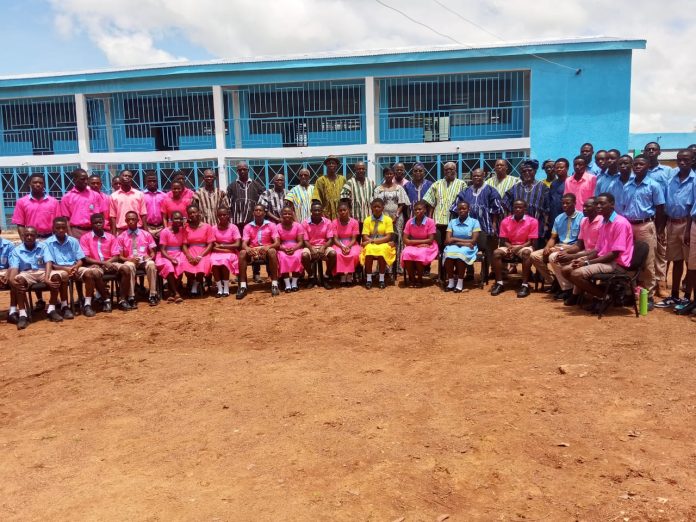
TANGABISI hands over renovated Ampofo-Mandela dormitory to Bolgatanga SHS

0

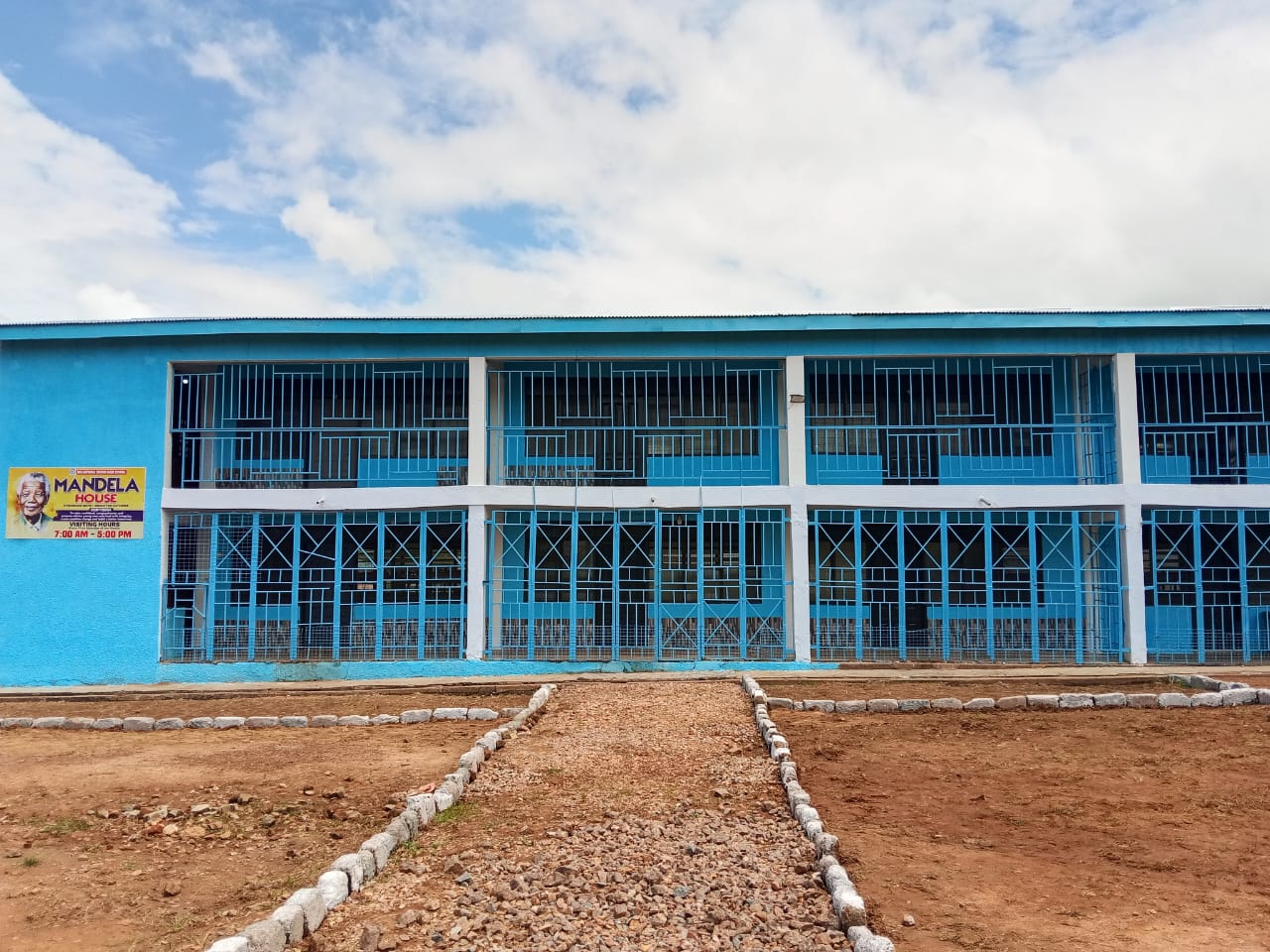
Old students of Bolgatanga Senior High School, known as TANGABISI, have handed over the renovated Ampofo-Mandela dormitory block to the school following contributions from different year groups.

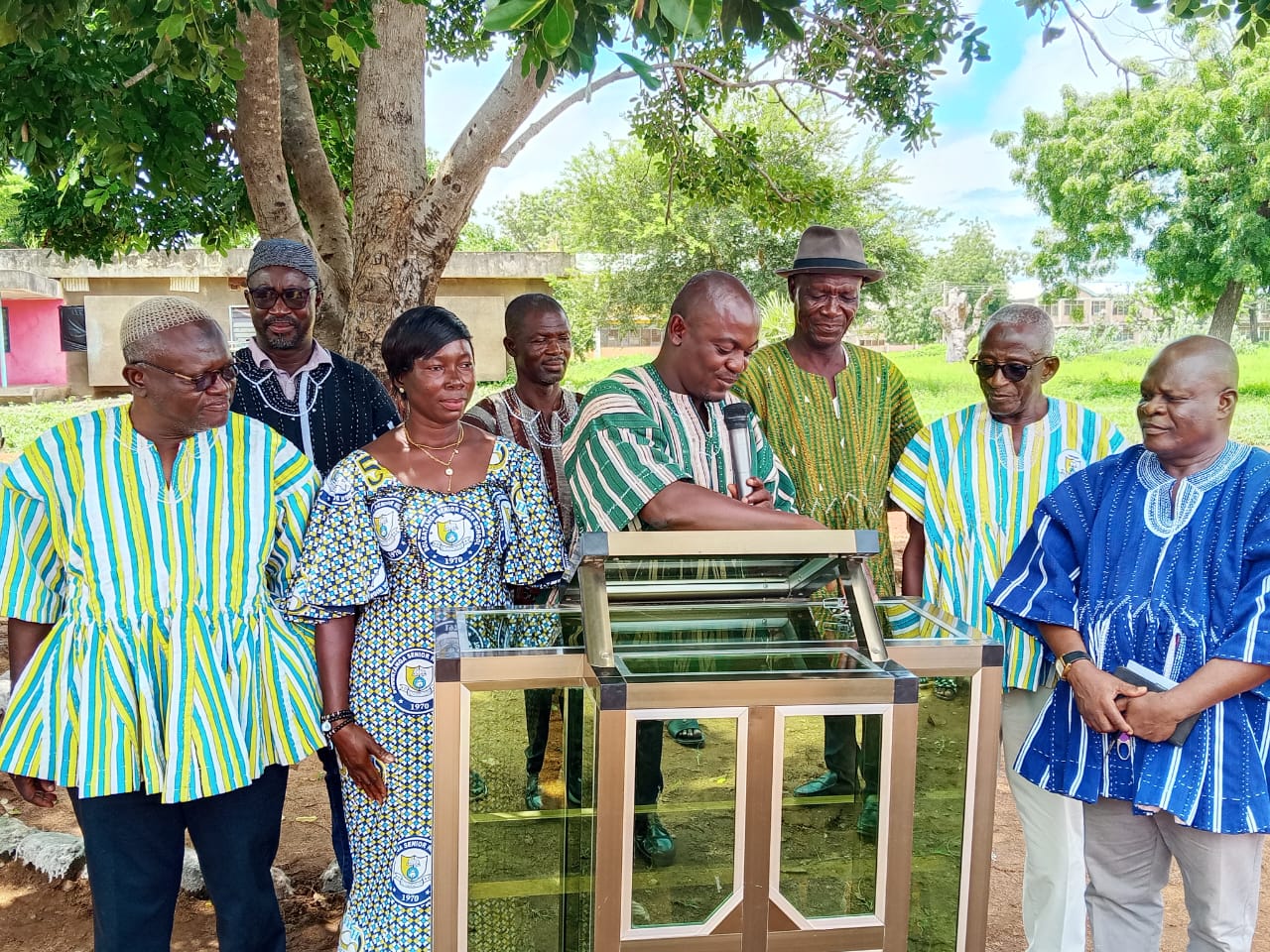
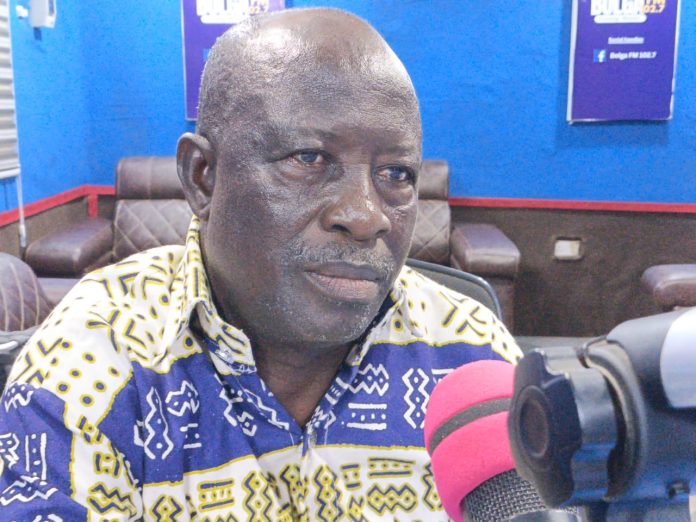
The National Vice President of TANGABISI, Timothy Ayine Abiiro, who performed the handover on behalf of the National President, said the project demonstrated what old students could achieve through collective action.

“Today is not simply about a renovated building. It is a celebration of unity, sacrifice, service and the enduring relationship between an alma mater and its old students,” he said.

Mr Abiiro said the renovation was financed through contributions from various TANGABISI year groups, with each contributing towards improving the residential facility for students.

“This demonstrates that when individuals and groups come together with a common vision, their collective efforts can produce a significant and lasting impact. It is a demonstration of the spirit of giving back to the institution that helped shape the lives of its former students,” he said.

He thanked the year groups and individuals who supported the project and urged other old students to contribute to the association’s investment fund to support future interventions at the school.

“No amount is too small and every contribution truly matters,” he said.

Despite completing the dormitory project, Mr Abiiro said Bolgatanga SHS, popularly known as BIG BOSS, still had ageing infrastructure requiring rehabilitation.

He appealed to the government to provide resources to address some of the school’s outstanding infrastructure needs.

“While we celebrate this achievement, we must also recognise that Bolgatanga Senior High School still requires further infrastructural development. If we are serious about providing our young people with quality education, then we must also provide them with a safe, decent and conducive environment,” he said.

TANGABISI also renewed its appeal for the construction of a perimeter fence around the school.

Mr Abiiro said a fence would help protect the school’s land against encroachment, improve security and control unauthorised movement on the campus.

He urged students to take care of the renovated dormitory so it could serve future generations.

Headmaster of Bolgatanga SHS, Anthony Adimazoya, thanked the old students for financing the renovation and said the project would improve the residential environment for students.

“On behalf of the management, staff, students, and the entire Bolgatanga SHS community, I extend our heartfelt appreciation to the old students for this generous intervention. The renovation of this dormitory block will provide our students with a safer, more dignified, and more conducive living environment,” he said.

Mr Adimazoya said the Ampofo-Mandela Block had served generations of students and its renovation would allow it to continue providing accommodation for current and future students.

“You have not only renovated a structure; you have renewed hope and inspired the present generation. Your example teaches our students that success is most meaningful when it is used to uplift others,” he said.

He assured TANGABISI that school authorities would work with students to maintain the facility.

Mr Adimazoya also urged students occupying the dormitory to keep it clean, protect its facilities and demonstrate their appreciation through responsible conduct.

A1 Radio | 101.1MHz | David Azure | Bolgatanga
Upper East journalists sensitised on proposed changes to 1992 Constitution

0

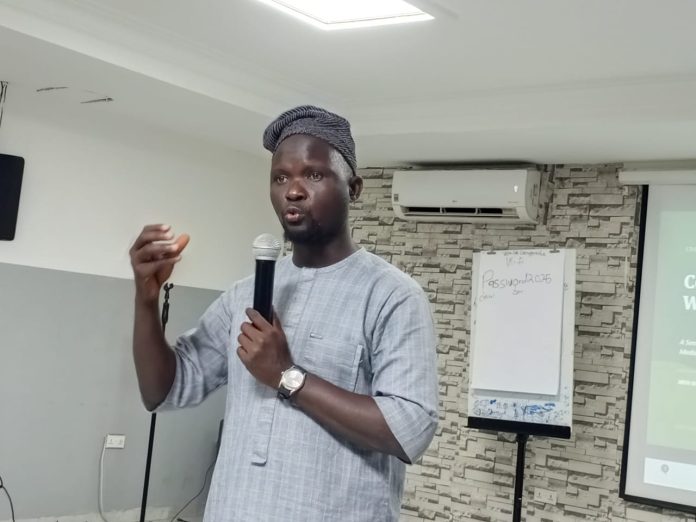
RISE-Ghana has sensitised journalists and civil society actors in the Upper East Region on proposed changes to Ghana’s 1992 Constitution as part of efforts to deepen public understanding of the ongoing constitutional reform process.

The engagement, organised in partnership with STAR-Ghana Foundation and the Ghana Center for Democratic Development (CDD-Ghana), brought together media practitioners and other stakeholders in Bolgatanga.

Participants were taken through key recommendations contained in the report of the 2025 Constitution Review Committee and their implications for governance, democratic accountability and Ghana’s constitutional framework.

The Constitution Review Committee, chaired by Prof. H. Kwasi Prempeh, was established in January 2025 to review previous constitutional reform work, engage stakeholders and recommend changes to improve Ghana’s constitutional and democratic governance. Its final recommendations were presented to President John Dramani Mahama in December 2025.

The committee said its work focused on identifying constitutional changes that could address challenges affecting Ghana’s democracy, governance and development, rather than undertaking a complete rewriting of the 1992 Constitution.

At the Bolgatanga engagement, participants discussed some of the proposed reforms and the role journalists and civil society organisations can play in helping citizens understand their implications.

They were encouraged to provide accurate and balanced information on the proposals and create platforms for informed public discussion as the constitutional reform process progresses.

Executive Director of RISE-Ghana, Awal Ahmed Kariama, said the sensitisation formed part of efforts to broaden public understanding and encourage citizens to participate meaningfully in discussions about proposed changes to the Constitution.

The organisers stressed that public education would be important in ensuring that citizens understand the proposed reforms and can make informed contributions to the constitutional review process.

A1 Radio | 101.1 MHz | David Azure | Bolgatanga

TANGABISI renovates BIG BOSS dormitory, appeals for government support on infrastructure

0

The old students association of Bolgatanga Senior High School, TANGABISI, has appealed to the government to address the school’s infrastructure needs, saying alumni cannot shoulder the responsibility alone.

The appeal was made as the association handed over the renovated Ampofo-Mandela dormitory block to the school.

National Vice President of TANGABISI, Timothy Ayine Abiiro, said several facilities at the school still required renovation and rehabilitation despite interventions by old students.

Delivering an address on behalf of the association’s National President, Mr Abiiro commended the various TANGABISI year groups whose contributions funded the renovation of the dormitory.

He said such interventions demonstrated the willingness of old students to support their former school, but stressed that alumni contributions could not replace government investment in infrastructure.

Central to the association’s appeal is the construction of a perimeter fence around the Bolgatanga SHS campus.

“A proper fence wall will help to protect the school’s land and property from encroachment, strengthen security and provide a clearly defined boundary for the institution. It will also contribute to effective school administration and help curtail unauthorised movement and certain forms of indiscipline,” Mr Abiiro said.

He appealed to the government and relevant authorities to consider the perimeter fence among the school’s priority infrastructure needs.

Mr Abiiro also called on TANGABISI year groups that had yet to contribute to the association’s investment fund to do so to strengthen its capacity to undertake future projects.

Headmaster of Bolgatanga Senior High School, Anthony Adimazoya, welcomed the renovation and said partnerships between schools and their alumni could contribute to improving facilities for students.

He said the renovated dormitory would provide students with an improved residential environment and pledged that school management would work with housemasters and students to maintain the facility.

Mr Adimazoya urged students using the dormitory to take responsibility for protecting the facility and to demonstrate discipline and commitment to their studies.

Mr Abiiro expressed hope that the renovated block would serve successive generations of students.

“May this renovated block serve generations of students and stand as a lasting symbol of unity, generosity and service,” he said.

A1 Radio | 101.1MHz | David Azure | Bolgatanga
How long should teachers continue to be patient? – Upper East GNAT Chairman

0

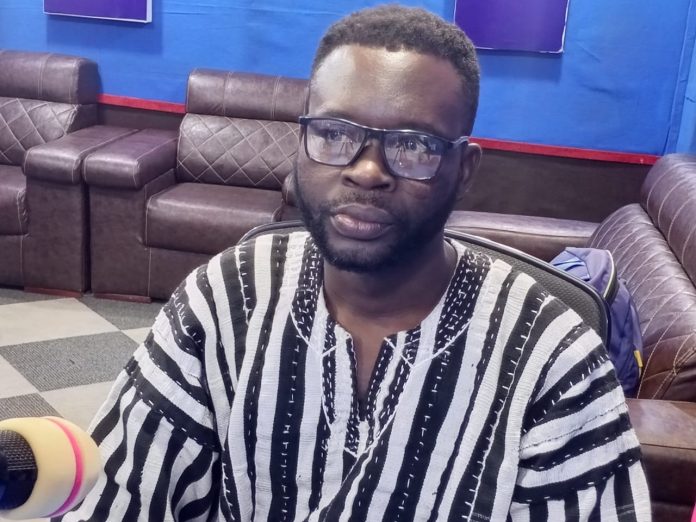
Upper East Regional Chairman of the Ghana National Association of Teachers (GNAT), Maurice Korah, has questioned repeated appeals for teachers to exercise patience as their concerns remain unresolved amid an ongoing strike.

Mr Korah said teachers had already exercised considerable patience and called for concrete action to address the issues behind the industrial action.

Speaking on Bolga FM’s Timaaga Sanga, he questioned whether people urging teachers to continue waiting would accept similar delays when dealing with their own financial needs.

He illustrated his argument with the example of a teacher attempting to purchase an item without having enough money to pay the full price.

“If a teacher buys something from someone and asks that he or she doesn’t have money up to the price they are selling, will they accept?” he asked.

Mr Korah said teachers also had financial responsibilities and could not continue to be asked to wait indefinitely for their concerns to be addressed.

He therefore called on the government to engage teachers and other relevant stakeholders to find a lasting solution to the dispute and restore normal academic activities.

Mr Korah also called on parents and civil society organisations to increase pressure for a resolution, arguing that the consequences of the strike extend beyond teachers to students and their families.

“It is time for all parents and all civil society to rise up, even if it means that we demonstrate on the streets, to rather plead with the government, exercise restraint, patience, and attempt to resolve the issues,” he said.

He maintained that any action by parents and civil society should be directed towards encouraging dialogue and securing a resolution to the dispute.

Mr Korah warned that prolonged disruption to academic activities could have consequences for students and urged all parties to work towards an early resolution.

He called on the government to give serious attention to the concerns raised by teachers while urging the parties involved to remain committed to dialogue.

A1 Radio | 101.1 MHz | Mary Atiamah Aperika | Bolgatanga

Bongo DCE, MP provide beds, vaccine fridge to Zorko Tarongo Health Centre

0

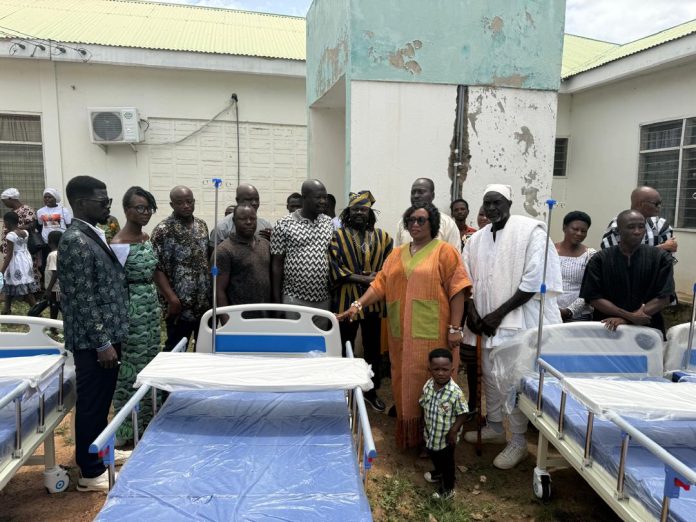
The Bongo District Chief Executive, Diana Asoketarige Ayamga, and Member of Parliament Charles Bawa Dua have provided hospital equipment and streetlights to St Theresa Health Centre at Zorko Tarongo in the Upper East Region.

The support includes four hospital beds, a refrigerator for storing vaccines and four streetlights. They have also supported the roofing of a section of the health facility that had been left exposed to rain.

The intervention followed appeals from traditional leaders and Assembly Members over inadequate equipment at the health centre and poor lighting in the community.

Speaking during the presentation, Madam Ayamga said community leaders had raised concerns about the lack of beds for patients who needed to remain at the facility for observation.

“According to the chiefs, their community was in darkness and needed our help. They also told us that there were no hospital beds to accommodate patients who visited the facility for healthcare. Sometimes, patients had to stay for about six or seven hours before receiving the necessary attention and being allowed to go home,” she said.

She said the health centre also lacked a refrigerator for vaccines and had an unroofed section that allowed rainwater into the facility during the rainy season.

“They also complained that there was no fridge at the facility to store some of the vaccines. There was also a portion of the facility that was unroofed and was always leaking during the rainy season. They appealed to me to help roof that section so that when patients come, they can be admitted and properly taken care of,” she said.

Madam Ayamga said she subsequently discussed the concerns with the Bongo MP, who agreed to work with her to address some of the challenges.

“I consulted the MP, and he was also very happy with the idea. So, the MP and I collaborated, and that is how we came up with four streetlights, four hospital beds and a fridge for the facility to store their vaccines. We have also roofed the unroofed section they appealed for,” she said.

The equipment is intended to address some of the immediate needs identified by the community at the health centre, while the streetlights are intended to improve lighting in the area.

The donation formed part of activities commemorating the birthday of the late Joseph Abaà Akasake, a former Bongo District Chief Executive.

A1 Radio | 101.1 MHz | Joseph Napoleon Anaaya | Bongo

Teachers are not asking for favours, give us what we have earned – GNAT

0

The Upper East Regional Secretary of the Ghana National Association of Teachers (GNAT), Lare Kitonname, has called on the government to implement outstanding benefits and commitments to teachers, saying prolonged delays are affecting their welfare.

Mr Kitonname said teachers continued to fulfil their obligations to the state and expected the government to honour agreements and commitments made to them.

“We pay taxes from our salaries every month, and we do not have a problem with that because it is our civic responsibility. What we are asking is simple: give us what is due to us and fulfil your promises,” he said.

Speaking on Bolga FM’s Timaaga Sanga programme, the GNAT Regional Secretary said delays in implementing payments and conditions of service were particularly concerning because rising living costs reduced the value of money owed to teachers.

“If payments are delayed until September, that money is no longer worth what it was when it was due. The cost of living has gone up, and teachers are the ones suffering the consequences,” he said.

Mr Kitonname said the delays were placing additional pressure on teachers who have families and other financial responsibilities.

“Most teachers have children and families to take care of. They are finding it difficult to meet their daily needs because what is owed to them has still not been implemented,” he said.

He called for continued engagement between the government and teacher unions to resolve outstanding issues before they result in disruptions to teaching and learning.

Mr Kitonname said teachers would prefer to remain in the classroom, but government also had a responsibility to address concerns raised by educators.

“Nobody wants to stay at home. We want to be in the classroom doing our work, but government must also do what is expected of it,” he said.

Reflecting on his experience as a secondary school student in the early 1990s, Mr Kitonname recalled how a prolonged teachers’ strike disrupted education and affected students.

“I was in Form Three in the early 1990s when teachers went on strike. It took a long time before they returned, and the effects were felt by many students. We should not allow history to repeat itself,” he said.

He argued that prolonged disruption to education could have consequences beyond the classroom by limiting opportunities available to young people.

“When a brilliant child is unable to progress in school, society pays the price. Education is an investment in the future, and we must protect it,” he said.

Mr Kitonname maintained that teachers were not demanding preferential treatment but wanted commitments made to them to be fulfilled.

“Teachers are not asking for favours. We are asking for what we have earned through our service to this country,” he said.

He therefore urged the government to prioritise engagement with teacher unions and address outstanding commitments to prevent unresolved labour concerns from affecting teaching and learning.

A1 Radio | 101.1 MHz | Mary Atiamah Aperika | Bolgatanga

‘Our programmes target Upper East skills gaps’ – Regentropfen University College President

0

Regentropfen University College (RUC) says it is designing its academic programmes around skills and development gaps in the Upper East Region rather than expanding its offerings simply to increase the number of courses available.

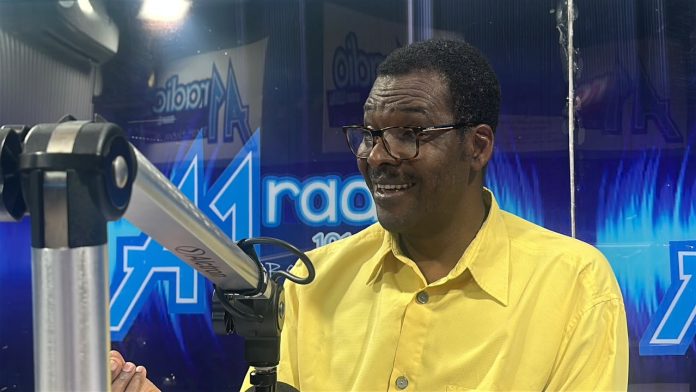
Founder and President of the institution, Rev. Fr. Dr Moses Asaah Awinongya, said the university’s programme choices are informed by areas where students and professionals in the region have limited opportunities for advanced training.

That approach, he said, informed the introduction of three postgraduate programmes: an MPhil in Aquaculture Technology, an MSc in Organisational Behaviour and Human Resource Management, and a Postgraduate Diploma in Education.

“We have chosen these ones because we think they are the ones that currently serve the needs of the Upper East Region,” he said.

Rev. Fr. Awinongya said the decision reflects a broader philosophy at Regentropfen that tertiary institutions should identify gaps within the communities they serve and develop programmes that respond to them.

But he said the university was deliberately avoiding the rapid introduction of several programmes at once.

According to him, every new programme comes with accreditation requirements as well as demands for qualified academic staff, infrastructure and other resources.

He warned that increasing programmes and student numbers without corresponding investment in facilities and academic capacity could affect the quality of training.

“We want to ensure that our infrastructure grows to match the distance,” he said.

The university is therefore seeking to align the introduction of new programmes with the development of the infrastructure and human resources required to support them.

Rev. Fr. Awinongya said RUC was considering additional postgraduate programmes, including possible programmes in health-related fields, but their introduction would depend on whether the institution had the facilities and personnel needed to deliver them effectively.

Expansion beyond Namoo

That approach is also influencing the university’s plans beyond its current campus at Namoo in the Bongo District.

Rev. Fr. Awinongya said the institution has been given a large parcel of land in Togo for the development of another campus.

Rather than simply replicating the programmes offered at Namoo, he said future programmes at other campuses could be designed around the particular needs of the communities they serve.

The same thinking applies to emerging economic opportunities in the Upper East Region.

Rev. Fr. Awinongya said the university had considered introducing mining-related programmes as far back as 2014 but had not proceeded because of the substantial financial and infrastructure requirements associated with engineering education.

Collaboration with another tertiary institution, he said, could provide an opportunity to pursue such programmes in the future.

Building a research hub in the Upper East

Beyond teaching, Rev. Fr. Awinongya believes tertiary institutions in the Upper East Region should work together to build the region’s research capacity.

He questioned why organisations seeking to conduct research in the region should routinely rely on institutions from southern Ghana when universities and researchers based in the Upper East could potentially undertake such work.

He identified Regentropfen University College, Bolgatanga Technical University and the University of Technology and Applied Sciences as institutions that could collaborate on research, investment and academic programmes.

“We are going to get more into collaboration with the existing university and tertiary institutions here in the Upper East Region and in the North,” he said.

Rev. Fr. Awinongya said such collaboration could eventually include joint or double-degree programmes, allowing institutions to combine their expertise and resources rather than attempting to develop every programme independently.

For Regentropfen, he said, the long-term ambition is to develop stronger faculties, attract experienced academics and build research capacity capable of making the institution and the Upper East Region more attractive to organisations seeking research partnerships.

But he maintains that growth should be driven by identifiable needs rather than the number of programmes an institution can advertise.

Under that approach, the university intends to gradually introduce programmes that it believes can produce the skills, research and expertise needed to address challenges within the communities it serves.

Rev. Fr. Awinongya believes stronger local tertiary institutions could also help the Upper East Region retain more skilled professionals, attract investment and reduce its dependence on institutions elsewhere for specialised expertise.

A1 Radio | 101.1 MHz | Moses Apiah | Bongo

Ethnic divisions hurting Upper East entertainment industry – NambaWan

0

Ghanaian musician NambaWan has called on entertainers and their audiences in the Upper East Region to move beyond ethnic and geographical divisions, arguing that greater collaboration is needed to grow the region’s entertainment industry.

Speaking on A1 Radio’s Entertainment Zone following the Saa La Dansika Festival, held at Jocom Golden Hotel on Friday, September 25, 2026, NambaWan said the region had enough creative talent to make a greater impact on Ghana’s entertainment scene but needed stronger collective support.

The musician, who spoke in a phone interview with host Phatbone The 5 Star General, said the support he personally receives from people in the region demonstrates their willingness to support local artistes.

“What they don’t give other artists, even when they pay money to get it, that’s what NambaWan gets at his comfort zone or at the comfort of his house,” he said.

But NambaWan said that support should not be limited to him.

“I don’t want to be very selfish, but I want the people of Upper East to understand that you can’t only promote only NambaWan, because I can’t fight the fight alone,” he said.

He called for greater collaboration among musicians, fans, media organisations, event organisers and other industry players to promote entertainment from the Upper East Region beyond its borders.

“I just need you people to come on board, whatever that is, music, whatever that is entertainment, and then it’s about selling Upper East to the world,” he said.

NambaWan said people from different parts of the region needed to support one another rather than allowing their communities or ethnic identities to determine which artistes they supported.

“Whether you are from Bawku, whether you are from Navrongo, whether you are from Bolgatanga, they should all come together,” he said.

He expressed concern that ethnic identity sometimes influences how people respond to artistes and entertainment activities in the region.

“The Kusasi man thinks he’s a Kusasi, so because of that, it’s for the Kusasi people. The Bolga man thinks he’s Frafra, because of that, it’s for only the Frafra people,” he said.

NambaWan argued that such divisions could make it more difficult to collectively promote artistes from the region.

He believes the Upper East Region has considerable creative talent that could gain wider recognition if entertainers and their audiences worked together.

“Look at the kind of talents we have in Upper East. Other regions don’t even have a quarter of that,” he said.

For him, the challenge is therefore not only about discovering talent, but also building the collective support needed to promote it.

NambaWan also indicated that the Saa La Dansika initiative would continue beyond the September 25 event.

“This is not just the final,” he said.

According to him, plans are being considered to take the initiative to different parts of the Upper East Region before eventually staging an event at the Bukom Arena in Accra.

He said expanding the initiative could provide another platform to connect communities and promote entertainment from the Upper East Region to audiences outside the region.

NambaWan said his call for unity extended beyond entertainment, arguing that cooperation was necessary in other areas of society as well.

“Whether politics, whether society, whether religion, whether it’s entertainment, whether it’s business or the world market, without unity you can’t work,” he said.

He therefore urged artistes, fans and other stakeholders to work collectively to promote the Upper East entertainment industry and create wider opportunities for its artistes.

A1 Radio | 101.1 MHz | Seidu Suleman Akurugu | Bolgatanga

Upper East must build institutions that attract its professionals back home – Regentropfen founder

0

After a decade of building Regentropfen University College in the Upper East Region, its founder and President, Rev. Fr. Dr Moses Asaah Awinongya, says the experience has convinced him that Ghana needs more universities designed to respond directly to the country’s development challenges.

So convinced is he of the potential of tertiary institutions to transform communities that, given the resources, he says he would establish many more.

“If I had the financial resources and 10 people like Moses, one of my employees, I would put up 10 universities,” he said.

Behind the remark is a broader argument about the role universities can play beyond awarding degrees.

For Rev. Fr. Awinongya, tertiary institutions should create opportunities for young people, produce research that responds to local problems, develop businesses and help communities build the expertise needed to drive their own development.

That thinking, he said, was central to the establishment of Regentropfen University College 10 years ago.

The institution was founded partly on the belief that young people in the Upper East Region needed greater access to higher education and professional training without necessarily having to leave the region.

A decade later, Rev. Fr. Awinongya said seeing the transformation in students who pass through the institution has reinforced that conviction.

Many, he said, arrive with limited opportunities but leave with qualifications, new ambitions and a stronger sense of what they can achieve.

“For us, if you’re not making money, what is keeping us on? It is the joy in the faces of the young people,” he said.

Bringing talent back home

His ambition, however, extends beyond increasing enrolment or expanding the physical size of Regentropfen University College.

Rev. Fr. Awinongya wants the institution to develop into a centre for teaching, research and professional development that can help attract and retain expertise in the Upper East Region.

For years, many professionals from the region have travelled elsewhere in Ghana and abroad to study, work and build careers. He believes acquiring experience elsewhere is important, but says some of that expertise must eventually find its way home.

“It is good that we go out and we get experience, but we also have to come back home to build,” he said.

His argument is that the region cannot depend indefinitely on expertise from elsewhere to identify and solve its problems. It must also create the institutions and opportunities capable of attracting its professionals home and giving them a platform to contribute.

He cited the example of a young professional from Namoo who offered to teach at Regentropfen without receiving payment. He also spoke about a relative in the United States who is a professor, pointing to the pool of expertise that could potentially contribute to higher education in the region.

For Rev. Fr. Awinongya, attracting such people is part of a larger ambition to make the Upper East Region a destination for education, research and investment.

Researching problems from where they happen

That ambition also involves changing how research about northern Ghana is undertaken.

Rev. Fr. Awinongya believes organisations and companies conducting research in the Upper East Region should increasingly look to universities based in the region as potential research partners.

Local institutions, he argues, are close to the communities and development challenges being studied and can therefore contribute knowledge, researchers and an understanding of the local context.

But he does not believe Regentropfen can achieve that ambition by working alone.

He wants stronger collaboration among tertiary institutions in the Upper East Region, including Bolgatanga Technical University and the University of Technology and Applied Sciences.

Rather than viewing the institutions solely as competitors for students and resources, he believes they can identify areas where their strengths complement one another.

“If we now see what are the common things that we can do in terms of research collaborations, in terms of investment and stuff like that, so that we can grow together,” he said.

Such partnerships, he said, could extend to research, investment and joint academic programmes, including joint degrees that give students access to expertise across institutions.

Beyond the lecture hall

For Rev. Fr. Awinongya, the contribution of a university should also be visible outside its lecture halls.

As part of activities marking Regentropfen University College’s 10th anniversary, the institution is undertaking a project at Bongo Hospital, which he describes as a practical contribution to the community in which the university operates.

The institution is also organising a skills and trade fair intended to connect students with business executives.

Students will have opportunities to pitch business ideas, with selected participants expected to receive seed funding and guidance to develop their businesses.

These initiatives, he said, reflect his belief that universities should not exist as isolated academic institutions.

Their work should contribute to the economic and social development of the communities around them.

That means producing graduates, but it also means supporting entrepreneurship, generating research, building professional networks and helping find solutions to local problems.

Growing, but not at any cost

After its first decade, Regentropfen University College also has ambitions of becoming an independent university with stronger faculties and more experienced academics.

But Rev. Fr. Awinongya said expansion must be approached carefully.

Growing student numbers or introducing programmes without the corresponding infrastructure, lecturers and academic capacity could compromise the quality of education, he said.

The institution is therefore seeking to balance its ambition for growth with the resources required to sustain it.

For its founder, however, the long-term objective remains much larger than Regentropfen itself.

He believes Ghana can deliberately establish and strengthen universities around identified gaps in education, skills, research and economic development.

The impact, he argues, would extend beyond the graduates who receive certificates.

Universities can attract researchers and professionals, create demand for businesses and services, support entrepreneurship, generate research and connect communities to investment opportunities.

That is why, 10 years after establishing Regentropfen University College, Rev. Fr. Awinongya says he would do it again.

And if the resources were available, he would not stop at one, he would build about 10.

A1 Radio | 101.1 MHz | Moses Apiah | Bolgatanga

Free Primary Healthcare begins across Upper East, district and regional hospitals excluded from Phase One

0

All 15 districts and municipalities in the Upper East Region have been included in the first phase of the government’s Free Primary Healthcare Policy, according to the Information Services Department (ISD).

The policy is being implemented at primary healthcare facilities, including Community-based Health Planning and Services (CHPS) compounds, health centres and polyclinics.

Bolgatanga Municipal Information Officer Peter Atogewe Wedam said the first phase does not cover district, regional and teaching hospitals.

Speaking on Bolga FM’s Tinmaalgo Sanga, Mr Wedam said the Ghana Health Service, which is leading the implementation of the policy, had brought 4,574 health facilities across 135 districts nationwide under the first phase.

He said all 15 districts and municipalities in the Upper East Region were among those selected for the initial implementation.

The policy is intended to reduce financial barriers to accessing healthcare and encourage people to seek essential services at the primary healthcare level.

Mr Wedam encouraged residents of the Upper East Region, particularly those in the Bolgatanga Municipality, to use participating facilities and learn more about the services available under the policy.

The Information Services Department is undertaking public education on the implementation of the policy in the Bolgatanga Municipality.

As part of the sensitisation campaign, Mr Wedam said he had visited churches, mosques, basic schools and second-cycle institutions to educate residents about the policy.

He has also appeared on four radio stations in the municipality as part of efforts to increase public awareness of the programme.

A1 Radio | 101.1 MHz | Moses Anaba Azubire | Bolgatanga