Home Blog Page 5

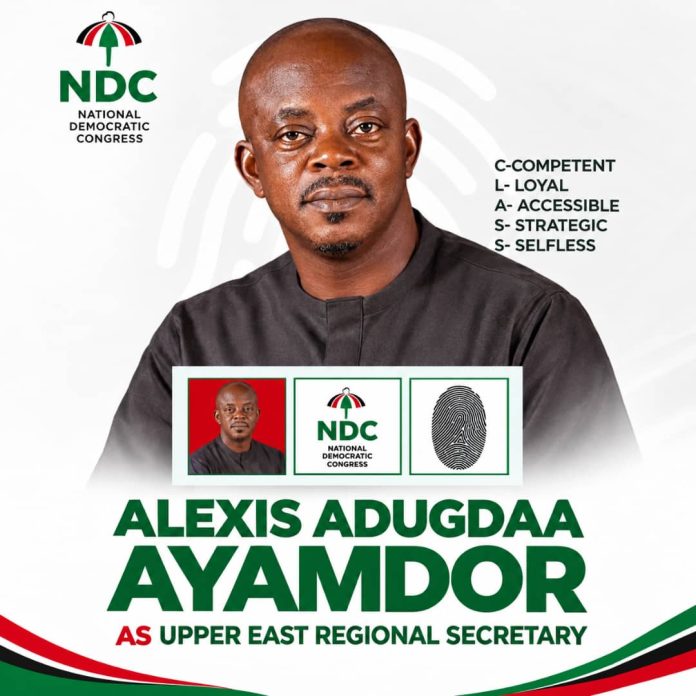
Alexis Ayamdor files nomination for Upper East NDC Regional Secretary

0

Alexis Adugdaa Ayamdor has filed his nomination to contest the Upper East Regional Secretary position of the National Democratic Congress (NDC), promising to strengthen grassroots participation, improve party administration and prioritise the welfare of members if elected.

Mr Ayamdor says his decision to contest is driven by the need to build a more responsive and organised regional party structure that addresses the concerns of members across all 15 constituencies in the Upper East Region.

Outlining his vision following the filing of his nomination, he pledged to maintain regular contact with constituency and branch executives rather than conduct party affairs primarily from the regional office.

He said frequent visits to constituencies would enable him to understand the challenges confronting members and work with relevant party structures to address them.

Mr Ayamdor also promised to strengthen collaboration between the party’s regional leadership, Members of Parliament and government appointees to advocate for development projects across the region.

According to him, he would engage these stakeholders to lobby for projects and opportunities in all 15 districts, with particular attention to communities that require additional development support.

He further pledged to advocate for the region’s interests at the national level, including within the party’s National Executive Committee structures and programmes.

He said this would involve pushing for what he described as fair access to appointments, opportunities and resources for party members in the Upper East Region.

Another priority outlined by the aspirant is improving the operational capacity of party offices.

Mr Ayamdor said he would work with MPs and Metropolitan, Municipal and District Chief Executives to mobilise resources and equip party offices to improve administration, coordination and grassroots mobilisation.

On party welfare, he proposed the establishment of welfare funds across the party’s administrative structures to provide assistance to members facing difficulties, including sickness and bereavement.

He believes such a system would strengthen solidarity among members and provide a more structured approach to addressing their welfare needs.

The Regional Secretary hopeful also pledged to improve the party’s electoral preparedness by strengthening the capacity of regional and constituency election directorates.

He proposed the formation of auxiliary support teams to assist with election-related activities, including monitoring electoral processes and safeguarding the party’s interests during national elections.

Mr Ayamdor further promised to advocate for a transparent system of recognising and rewarding party members who have contributed to the NDC’s activities and electoral performance.

He said dedicated members at the branch, constituency and regional levels deserved recognition and opportunities based on their contributions to the party.

The aspirant maintains that implementing these proposals would strengthen internal coordination, improve member participation and position the NDC for future electoral contests.

Mr Ayamdor is seeking the mandate of delegates to serve as Upper East Regional Secretary in the party’s upcoming regional executive elections.

A1 Radio | 101.1 MHz | Moses Anaba Azubire | Bolgatanga
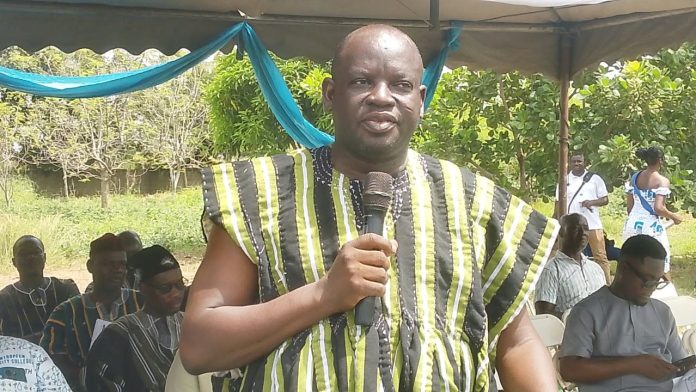
Bongo MP pledges Ghc10,000 to support Regentropfen student fund

0

The Member of Parliament for Bongo, Charles Bawa-Duah, has pledged GH¢10,000 to support financially disadvantaged students at Regentropfen University College, while the government has indicated its commitment to advancing plans for a medical school at the University of Technology and Applied Sciences (UTAS) in Navrongo.

The announcements were made during Regentropfen University College’s 10th anniversary celebration, held on October 10, 2026, at Namoo-Kansoe in the Bongo District of the Upper East Region.

Speaking at the event, Mr Bawa-Duah announced the GH¢10,000 pledge towards the newly established Regentropfen Fund for Needy but Brilliant Students, an initiative intended to support academically capable students who face financial difficulties.

He welcomed the establishment of the fund, noting that financial challenges should not prevent talented young people from pursuing higher education.

The fund is expected to complement the institution’s existing scholarship schemes and Work and Study programme, which provide financial assistance to students.

Beyond the financial pledge, Mr Bawa-Duah urged Regentropfen to prioritise practical, skills-based academic programmes that would prepare graduates for employment and entrepreneurship.

He said tertiary institutions must equip students with relevant competencies to respond to the country’s changing employment needs and contribute meaningfully to national development.

The MP also commended the university college’s leadership for the progress made over the past decade, saying improvements in its infrastructure and development were evident compared with his previous visit.

He expressed optimism that the institution would achieve further growth in academic programmes, infrastructure and student development in the coming years.

Meanwhile, the Upper East Regional Minister, Donatus Akamugri Atanga, who represented the Vice President at the anniversary celebration, assured the leadership of UTAS that he would follow up on requests concerning the institution’s development.

Among the issues raised were plans to establish a medical school, improve road infrastructure and secure a formal charter for the university.

Mr Atanga disclosed that efforts were far advanced towards establishing a teaching hospital at the Bolgatanga Regional Hospital, while plans for a medical school at UTAS were also progressing.

He welcomed the proposed medical school, explaining that expanding medical education in the Upper East Region could create additional opportunities for healthcare training and help strengthen the region’s health sector.

The Regional Minister also acknowledged concerns about road infrastructure and the university’s chartering process, describing them as issues requiring attention to support the institution’s development.

He assured the university’s leadership that he would communicate the concerns to the Office of the Vice President and engage the relevant authorities on the way forward.

The proposed medical school and teaching hospital, if established, would expand opportunities for medical training and healthcare delivery in the Upper East Region.

The anniversary celebration brought together government officials, traditional authorities, religious leaders, university officials, students, alumni and development partners to reflect on Regentropfen’s progress and future aspirations.

The event was held under the theme, “From Vision to Reality: A Decade of Promoting Talents and Shaping Future Minds.”

A1 Radio | 101.1 Mhz | Moses Anaba Azubire | Bolgatanga

Kologo chief calls for arrest, prosecution of bush burners ahead of dry season

0

The Paramount Chief of Kologo, Naba Clifford Tandegrewangrekugre Asobayire V, has called for the arrest and prosecution of individuals who engage in indiscriminate bush burning, warning that the practice threatens wildlife, forests, water resources and livelihoods in the Upper East Region.

He expressed concern that the approaching dry season could increase the risk of bushfires as vegetation dries up, and urged traditional authorities and community members to intensify surveillance and report offenders to the appropriate authorities.

The chief made the call during the inauguration of the BULKONA Community Resource Management Area (CREMA) at the Upper Solar Guesthouse in Navrongo.

The initiative, established with support from the World Bank-funded Ghana Landscape Restoration and Small-Scale Mining Project, brings together 19 communities across the Builsa, Kologo, Naaga and Navrongo traditional areas to promote sustainable natural resource management.

Naba Asobayire V urged fellow traditional leaders to support the CREMA executives, particularly its young members, in identifying individuals whose activities threatened the environment.

He said indiscriminate bush burning contributed to environmental degradation, destroyed wildlife habitats and undermined efforts to protect natural resources.

The chief stressed that community education alone would not be sufficient to address the problem without enforcement of existing environmental laws.

He therefore called for closer collaboration among traditional authorities, the Wildlife Division, other environmental agencies and residents to prevent bushfires and ensure that offenders faced legal consequences.

Turning to illegal mining, Naba Asobayire V urged communities within the four traditional areas to remain vigilant and prevent environmentally destructive mining activities from taking root.

He warned that illegal mining could threaten farmlands, forests and water bodies, with consequences for the livelihoods and well-being of residents.

The Paramount Chief also raised concerns about the apparent decline in wildlife populations in the area.

According to him, animals such as deer, hyenas and wild rabbits, which were once common, had become increasingly difficult to find, while sightings of elephants were now rare.

Although he could not establish the precise causes of the decline, he suggested that hunting, habitat destruction and other environmental pressures could be contributing factors.

He appealed to the Wildlife Division and other relevant institutions to investigate the situation and introduce measures to protect remaining wildlife populations.

Naba Asobayire V said the disappearance of wildlife was also depriving younger generations of opportunities to learn about animals in their natural habitats.

He observed that some children were becoming familiar with certain wild animals only through textbooks and social media because they rarely encountered them in their communities.

Using wild rabbits as an example, he expressed concern that some children might struggle to distinguish them from domesticated rabbits because of their limited exposure to wildlife.

The chief called for stronger efforts to protect forests, water bodies, fish populations and other natural resources, warning that their destruction could ultimately threaten human survival.

“If they are all endangered, then we are equally more endangered,” he cautioned.

Meanwhile, the Paramount Chief of Navrongo, the Navropio, has pledged his support for the BULKONA CREMA initiative and called for stronger cooperation among the participating traditional areas.

In a speech delivered on his behalf by Felix Kondayire, the Navropio described the inauguration as an opportunity for traditional leaders to renew their commitment to protecting ancestral lands and natural resources.

He said chiefs and elders had a responsibility to preserve the land, forests, wildlife and water bodies entrusted to them for the benefit of future generations.

The Navropio commended the Wildlife Division and other stakeholders for their contributions to the establishment of the CREMA, noting that the initiative provided a platform for communities and traditional authorities to participate directly in conservation.

He emphasised that its success would depend on the willingness of traditional leaders and residents to work together and take responsibility for protecting their environment.

“The true measure of traditional leadership lies not only in the heritage we inherit, but also in the legacy we preserve for posterity,” he stated.

He therefore urged the people of Builsa, Kologo, Naaga and Navrongo to embrace the initiative and work collectively to protect their natural resources.

The BULKONA CREMA is expected to strengthen community participation in conservation activities, including efforts to prevent bushfires, address illegal mining and protect wildlife across the 19 participating communities.

A1 Radio | 101.1 MHz | Moses Anaba Azubire | Bolgatanga

BULKONA CREMA inaugurated to protect natural resources in 19 Upper East communities

0
The Wildlife Division of the Forestry Commission has inaugurated the BULKONA Community Resource Management Area (CREMA) to strengthen environmental conservation and promote sustainable livelihoods in 19 communities across the Upper East Region.

The initiative, covering communities within the Builsa, Kologo, Naaga and Navrongo traditional areas, is intended to give residents greater responsibility for managing natural resources while addressing environmental threats, including illegal mining.

The inauguration and handover ceremony, held in Navrongo, brought together traditional authorities, local government officials, representatives of state institutions and development partners.

BULKONA CREMA was established under the Ghana Landscape Restoration and Small-Scale Mining Project (GLRSSMP), which has received World Bank support since 2022.

The project is supporting the establishment of eight Community Resource Management Areas across Ghana’s Western and Eastern Wildlife Corridors, five of which are located in the Western Wildlife Corridor.

The CREMA model allows communities outside designated wildlife reserves and protected areas to participate directly in the management, conservation and sustainable use of natural resources.

According to the Wildlife Division, the establishment of BULKONA CREMA began in 2022 with consultations involving traditional authorities, community members and other stakeholders.

The process included the election of a CREMA Executive Committee, the development of a constitution, the enactment and publication of bylaws, and the issuance of a Certificate of Devolution of Management Authority.

The certificate gives the community governance structure responsibility for coordinating natural resource management activities in accordance with the approved constitution and bylaws.

Speaking at the inauguration, the Chairman of BULKONA CREMA, Clifford Apagyarik, appealed to government and development partners to support participating communities with alternative livelihood opportunities to reduce their dependence on natural resources.

He identified illegal mining and water scarcity as major challenges threatening conservation efforts, particularly in communities where residents depend heavily on farming and other natural resource-based activities.

Mr Apagyarik explained that although members of the CREMA were committed to protecting the environment through voluntary service, they required financial and technical support to sustain their activities.

He therefore called for income-generating opportunities that would improve household livelihoods while reducing pressure on forests, land and water bodies.

The CREMA Chairman also urged traditional authorities to support the preparation of community land-use plans to regulate activities such as farming, settlement development and conservation.

He said clearly defined land-use plans would help communities identify areas requiring protection and address activities that threatened natural resources.

Mr Apagyarik further encouraged residents to adopt rainwater harvesting as a measure to improve water availability in communities experiencing shortages.

He expressed appreciation to traditional authorities, assembly members and other stakeholders who contributed to the establishment of the CREMA, particularly the Paramount Chief of Kologo, Naba Clifford Tandegrewangrekugre Asobayire V.

The Paramount Chief of Kologo welcomed the initiative and pledged the support of traditional authorities towards its implementation.

Naba Asobayire V said chiefs had a responsibility to protect the land, forests, wildlife and other natural resources inherited from their ancestors for future generations.

He commended the Forestry Commission, development partners and fellow traditional leaders, including the Builsa Na, Nab Piighu and the chiefs of Naaga, for supporting the establishment of the CREMA.

The chief expressed confidence that collaboration among traditional authorities, community representatives and government institutions would help prevent environmental destruction and promote sustainable resource management.

He assured the CREMA executives of the traditional authorities’ commitment to supporting conservation activities across the participating communities.

Meanwhile, the Kassena-Nankana Municipal Assembly has pledged political, administrative and financial support for the initiative, subject to the availability of resources.

Speaking on behalf of the Municipal Chief Executive, Frederick Pwasam said the CREMA could contribute to environmental protection, job creation and peaceful coexistence among participating communities.

He identified ecotourism, beekeeping and the sustainable harvesting of shea nuts and dawadawa as potential economic activities that could create income opportunities, particularly for women and young people.

According to him, promoting alternative livelihoods would help reduce dependence on activities that degrade the environment while improving living conditions in beneficiary communities.

Mr Pwasam said the Assembly would also work towards aligning its bylaws with the CREMA’s conservation objectives to strengthen the enforcement of environmental regulations.

He warned that individuals who violated applicable laws by destroying protected natural resources could face legal consequences.

He urged residents, traditional authorities and members of the CREMA governance structure to take ownership of the initiative rather than depend entirely on external support.

The establishment of BULKONA CREMA also involved hunters, farmers, medicinal herbalists, women’s groups, youth groups and government workers to encourage broader community participation in conservation.

With its governance structures now established, the initiative is expected to coordinate conservation activities across the 19 participating communities while promoting sustainable economic opportunities.

A1 Radio | 101.1 MHz | Moses Anaba Azubire | Bolgatanga
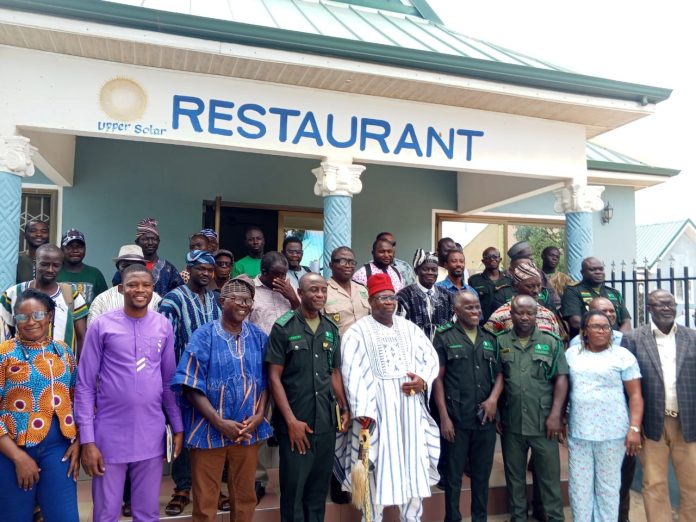
Calls grow for development specialist Rexford Bugre Yamdong to consider Nabdam parliamentary bid

0
Rexford Bugre Yamdong - Development Specialist

Calls are growing among residents of the Nabdam Constituency in the Upper East Region for Development Specialist, Rexford Bugre Yamdong, to consider contesting the parliamentary seat in the next general election, with supporters citing his development expertise, leadership experience and appeal across political divides.

The calls, involving youth, elders, professionals, opinion leaders and political activists, reflect growing demands for a representative they believe can attract development opportunities and effectively champion the constituency’s needs.

Some residents say Nabdam needs a leader with a strong understanding of community development, the ability to mobilise resources and the capacity to engage stakeholders to address local challenges.

They believe Mr. Yamdong’s professional background and grassroots connections make him a potential candidate capable of bringing different groups together to pursue the constituency’s development aspirations.

An elder in the constituency said residents needed to pay greater attention to the leadership experience and development credentials of parliamentary candidates.

“We need people who understand development and know what communities truly need. In the past, we supported candidates without adequately considering their leadership background and development credentials. In the end, they failed to initiate and attract the level of development the constituency expected,” the elder said.

A youth activist also called for a shift in how residents assess prospective parliamentary candidates, arguing that competence and the ability to create opportunities should be central to the decision.

“Today, people are looking beyond politics. They want someone who can create opportunities, attract investment, and advocate effectively for the constituency. Rexford has demonstrated the qualities many of us believe are needed to move Nabdam forward,” the activist said.

Although the growing calls appear to cut across political affiliations, it remains unclear which political party, if any, Mr. Yamdong would represent should he decide to contest the seat.

He has also yet to publicly declare an intention to enter the parliamentary race.

The residents advocating for his candidacy say his accessibility, humility and ability to connect with people from different communities could help him build broad support and promote unity in the constituency.

They argue that the next parliamentary contest presents an opportunity for residents to assess prospective candidates based on their capacity to attract investment, advance development and represent the interests of the people.

Whether Mr. Yamdong will respond to the calls remains uncertain, but his name is increasingly being raised by residents who believe his professional experience and development-oriented leadership could benefit Nabdam.

A1 Radio | 101.1Mhz| Joshua Asaah

NDC, NPP call for calm as Gbane-Namoligo clashes displace residents

0

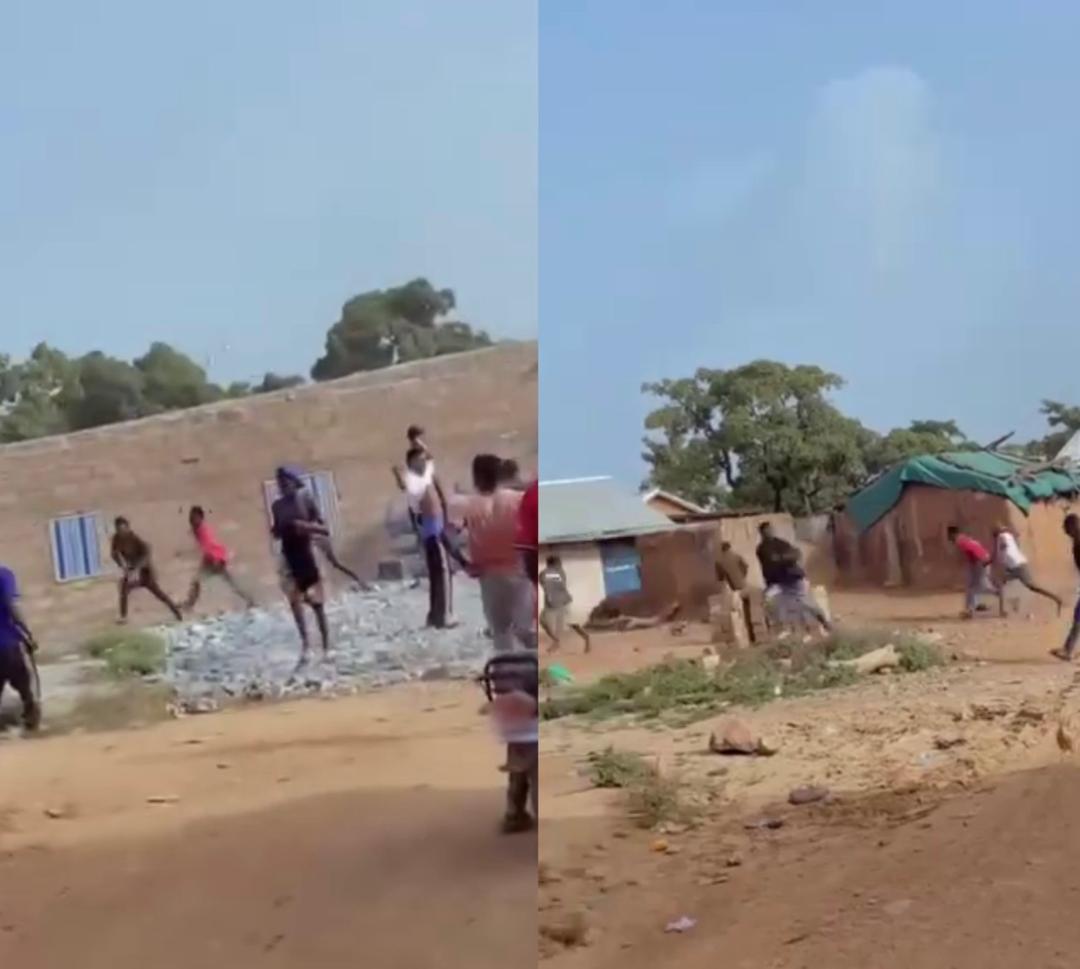
The National Democratic Congress (NDC) and the New Patriotic Party (NPP) in the Talensi Constituency have appealed to residents of Gbane and Namoligo to cease hostilities and embrace dialogue following violent clashes that have reportedly led to the destruction of houses and displacement of residents.

In separate statements issued on Wednesday, October 14, 2026, the two political parties expressed concern about the escalating tensions and urged the feuding communities to prioritise peace and protect lives and property.

The NDC called on residents to exercise restraint and pursue peaceful means of resolving their differences, warning that violence could undermine development and destroy relationships between the communities.

It also urged residents to cooperate with security personnel and refrain from circulating inflammatory statements, unverified information and provocative commentary on social media that could worsen tensions.

The party, in a statement signed by Michael Nangena, Talensi Communication Officer, said it sympathised with people who had lost property and those displaced by the conflict, particularly women, children and the aged.

It pledged to collaborate with relevant state agencies to support efforts to restore peace and facilitate the return of displaced residents to their homes.

The NDC also called for cooperation among traditional authorities, opinion leaders, youth representatives and security agencies to address the underlying issues and achieve a lasting resolution.

The NPP, meanwhile, called for urgent security intervention to prevent further attacks and protect residents in the affected communities and surrounding areas.

It urged the traditional authorities of Gbane and Namoligo to use their influence to restore calm and encourage their subjects to embrace tolerance and dialogue.

The party further called on the Talensi District Security Council, Regional Security Council, District Chief Executive, Member of Parliament for Talensi and the government to take immediate steps to strengthen security in the area.

In a statement signed by Yinwonba Yinnamaltiman Emmanuel, Talensi Communication Officer, the NPP said adequate security personnel should be deployed to protect lives and property, prevent further violence and create a safe environment for displaced residents to return home.

The party also urged community leaders, youth groups and residents to cooperate with security agencies and called on the government to pursue lawful and peaceful measures to address the causes of the conflict.

Both parties expressed solidarity with affected residents and stressed the need for collective efforts to restore normalcy.

The appeals come amid heightened tensions between the two communities over a dispute whose underlying issues remain unresolved. The parties have called for dialogue and cooperation among stakeholders to prevent further destruction and restore peaceful coexistence in the Talensi District.

Meanwhile, the Upper East Regional Police Command has arrested 16 suspects and recovered ammunition, suspected narcotic substances and other items during a security operation at the Gbane mining site in the Talensi District.

A1 Radio | 101.1Mhz| Joshua Asaah

Police arrest 16 suspects, recover ammunition and suspected drugs at Gbane mining site

0

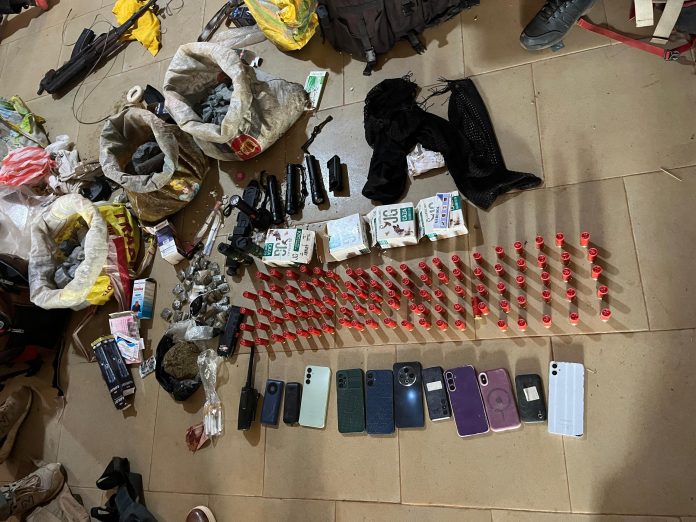
The Upper East Regional Police Command has arrested 16 suspects and recovered ammunition, suspected narcotic substances and other items during a security operation at the Gbane mining site in the Talensi District.

In a press release dated October 14, 2026, the Police said the operation was conducted on October 13 by personnel from the National Police Intelligence Directorate, the Upper East Regional Police Intelligence Directorate, the Special Operations Team (Black Cobra) and the Tongo District Police Command.

Ten suspects were arrested during the police operation.

Items recovered included 104 live AA cartridges, 37 wraps of suspected Indian hemp, 12 mobile phones, seven Nalantaaba security uniforms, seven body armours, two pepper sprays, four touch lights, a knife, a weapon bag and a set of walkie-talkies.

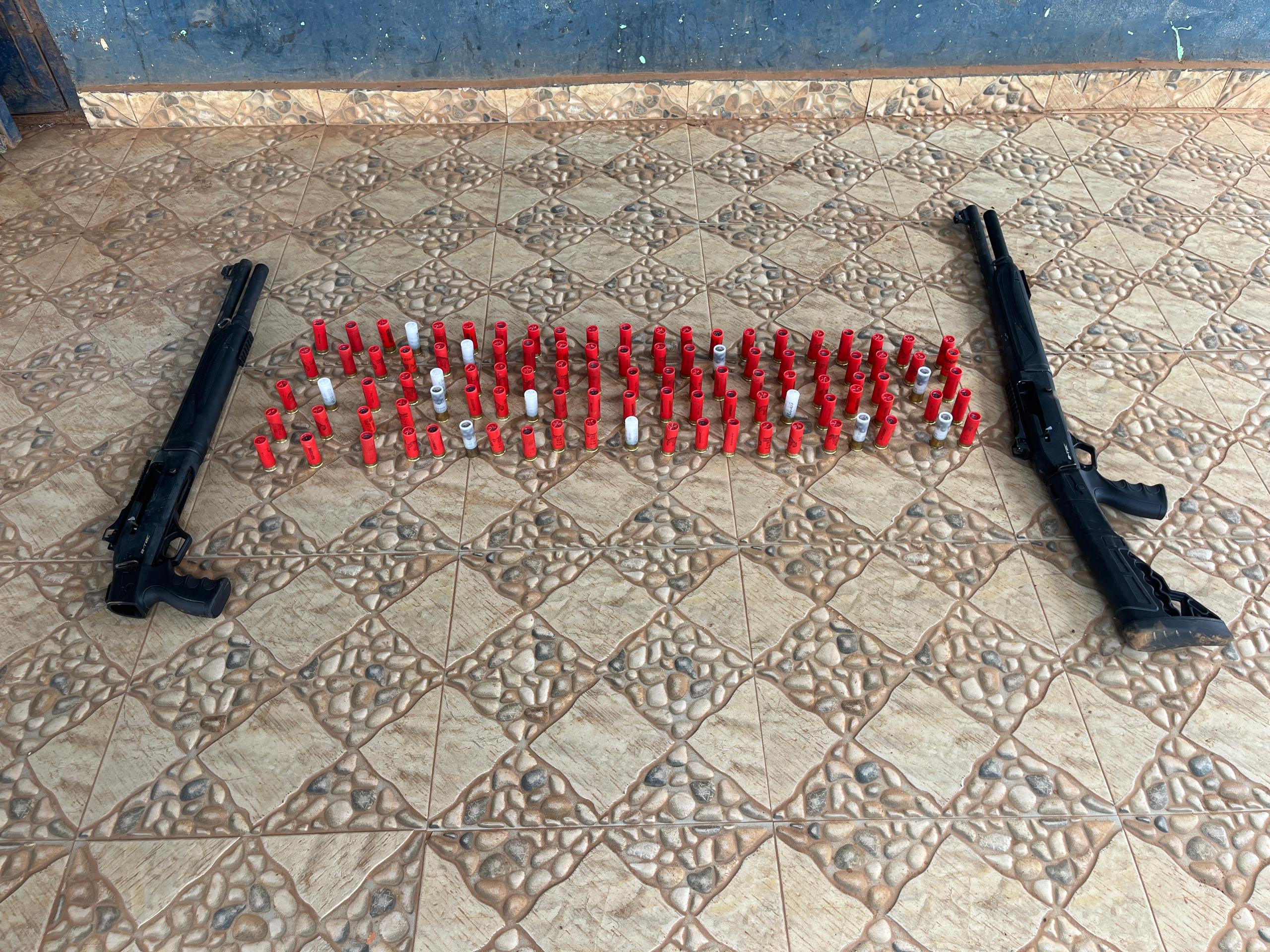
In a related operation, a military team from the 11 Mechanised Battalion arrested six additional suspects and recovered two pump-action guns and 105 live AA cartridges.

The military subsequently handed the six suspects and the recovered items over to the Police at Bolgatanga.

The Police said patrols were continuing in the affected communities to maintain peace and order.

The 16 suspects are in police custody assisting investigations and will be put before the court, according to the statement signed by Abdul-Raman Sumaila, Chief Inspector at the Public Affairs Unit of the Upper East Regional Police Command.

A1 Radio | 101.1Mhz | Joshua Asaah

Regentropfen launches scholarship fund to support financially disadvantaged students

0

Regentropfen University College in the Bongo District of the Upper East Region has launched a fund to provide financial assistance to academically talented students who struggle to pursue higher education because of financial difficulties.

The Regentropfen Fund for Needy but Brilliant Students is intended to establish a sustainable source of financial support for students who might otherwise be unable to enrol in or complete their university education.

The initiative was launched during the institution’s 10th anniversary celebration on Saturday, October 10, 2026, at Namoo-Kansoe, under the theme, “From Vision to Reality: A Decade of Promoting Talents and Shaping Future Minds.”

Speaking at the launch, the Dean of Students, Dacosta Aboagye, said the fund was established in recognition of the financial challenges preventing many academically capable young people from pursuing tertiary education.

He explained that although some students possessed the academic potential to succeed at university, their families lacked the resources to support their education.

According to him, the fund would complement the institution’s existing scholarship schemes and Work and Study programme, which have provided financial assistance to students over the years.

Mr Aboagye said the initiative was intended to create a sustainable support system that would enable more students from financially disadvantaged backgrounds to access higher education.

He described contributions to the fund as investments not only in the education of individual students but also in the future of their families and communities.

The Dean of Students therefore appealed to alumni, staff, corporate institutions, development partners and other well-wishers to contribute towards sustaining the initiative.

He stressed that contributions of any amount could make a difference when combined with support from other individuals and organisations.

Drawing inspiration from the institution’s name, Regentropfen, a German word meaning “raindrops,” Mr Aboagye encouraged stakeholders to contribute towards expanding educational opportunities for disadvantaged students.

“As raindrops make a mighty ocean, let our little drops of contribution today come together to create an ocean of opportunities for needy but brilliant students,” he said.

As part of the launch, the institution unveiled an investment signboard on which contributors were invited to sign after making donations.

According to the organisers, the signboard would serve as a record of individuals and organisations that supported the initiative and would be preserved for future anniversary celebrations.

The fund forms part of Regentropfen University College’s efforts to expand access to tertiary education, particularly for students whose financial circumstances limit their opportunities.

The institution, established in 2016, has grown from an initial enrolment of 46 students to approximately 1,300 students in 2026.

Its management hopes the fund will complement existing financial assistance programmes and enable more students to pursue higher education in the coming years.

A1 Radio | 101.1 MHz | Moses Anaba Azubire | Bolgatanga

Lack of resources threatens practical science training initiatives – Ghana Chemical Society

0

The Ghana Chemical Society (GCS) has appealed to government, industry players, development partners and individuals to invest in practical chemistry education, particularly in schools with limited or no laboratory facilities.

The Society says inadequate resources for teacher training, laboratory equipment and practical learning materials remain major challenges to efforts aimed at improving science education and making it accessible to children across Ghana.

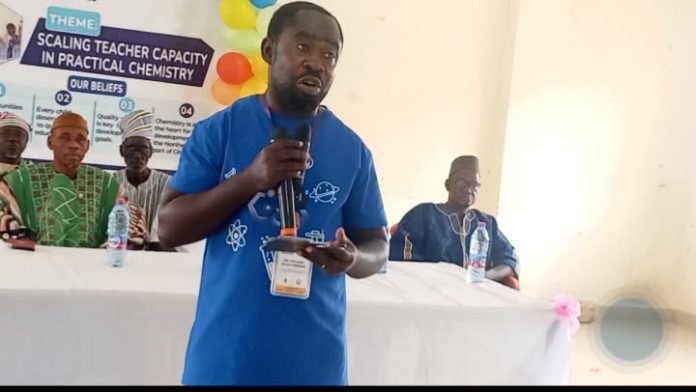
Speaking during the BONDISTANCE Phase II practical chemistry training programme at Gambibgo Community Day Senior High School in the Bolga East District, the Secretary of the Ghana Chemical Society, Dr Michael Baah Mensah, said every child deserved access to quality chemistry education regardless of geographical location or background.

He explained that equipping teachers with practical skills, knowledge and confidence was essential to improving the quality of science teaching, particularly in underserved communities.

According to him, the Ghana Chemical Society, as the professional body for chemists and chemical scientists in the country, remained committed to supporting initiatives that promote chemistry education, professional development and the application of chemistry to national development.

He said programmes such as BONDISTANCE provided an opportunity for the Society to extend its activities beyond professional engagements and directly support teachers and learners in schools and communities.

Dr Mensah, however, acknowledged that sustaining practical science education initiatives required substantial financial and technical resources.

He identified teacher training, laboratory equipment, practical learning materials and community outreach as areas requiring continuous investment.

According to him, mobilising funding for such programmes was often challenging, making partnerships with institutions, industry players and development organisations necessary.

He therefore appealed for support in the form of funding, equipment, technical expertise, mentorship and institutional partnerships to sustain BONDISTANCE and similar initiatives.

“Investing in teachers today is investing in the next generation of scientists and innovators,” he said.

The BONDISTANCE Phase II programme, funded by the Royal Society of Chemistry through its Chemists’ Community Fund, brought together 73 Junior High School science teachers from the Bolgatanga Municipality and Bolga East District for practical chemistry training.

Of the participants, 54 were drawn from the Bolgatanga Municipality, while 19 came from the Bolga East District.

The two-day training, held from October 5 to 6, 2026, focused on equipping teachers with affordable and innovative approaches to teaching chemistry, particularly in schools without conventional laboratories.

Participants received training in hands-on experiments using locally available materials and the application of PhET interactive simulations to help students understand scientific concepts.

The programme also targeted teachers without formal science training and those who had never conducted practical chemistry experiments, while encouraging greater participation among female science teachers.

The Chief of the Gambibgo Traditional Area, Naba Sayeed Akolmolga Anon-Egra Sadik, commended the organisers and participating teachers for their commitment to improving science education.

He encouraged teachers to apply the knowledge and skills acquired during the training to make chemistry lessons more practical and engaging for students.

The chief also called for the programme to be sustained rather than treated as a one-time intervention, stressing the importance of continuous professional development for teachers.

He acknowledged the collaboration among the Royal Society of Chemistry, Kwame Nkrumah University of Science and Technology (KNUST), Ghana Chemical Society and University of Technology and Applied Sciences (UTAS), Navrongo, in making the training possible.

Dr Mensah also expressed appreciation to the organisers and partners for their efforts to improve access to practical chemistry education.

A1 Radio | 101.1 MHz | Moses Anaba Azubire | Bolgatanga
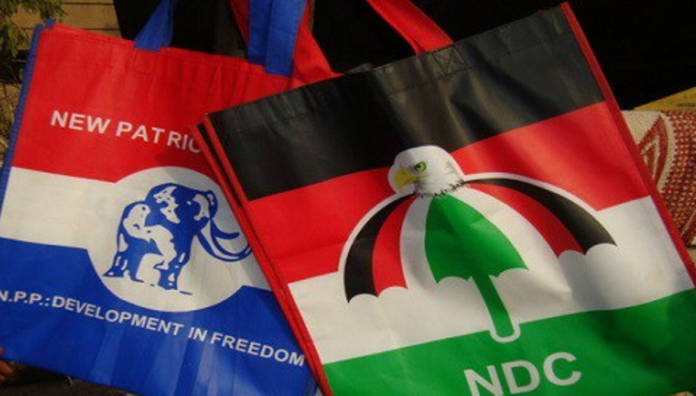
Teachers must collaborate to improve education delivery – Bolga Municipal GES Director

0

The Bolgatanga Municipal Director of Education, George Asirah, has urged teachers in the Upper East Region to build stronger professional networks to share knowledge, exchange ideas and develop innovative solutions to challenges affecting education.

He said collaboration among teachers was essential to improving teaching and learning, as it provided opportunities for educators to learn from one another and collectively address problems encountered in their schools.

Mr Asirah made the call at Gambibgo Community Day Senior High School in the Bolga East District during a practical chemistry training programme organised for Junior High School science teachers.

According to him, teachers have responsibilities beyond delivering lessons in the classroom and must recognise their potential to contribute to the development of their communities.

He explained that building strong professional relationships would enable teachers to share experiences, adopt effective teaching methods and develop practical approaches to addressing educational challenges.

Mr Asirah encouraged teachers to maintain the relationships established during training programmes and use them as platforms for continuous learning and professional support.

He noted that stronger networks could also help teachers identify common challenges facing their schools and work together to develop solutions suited to their local circumstances.

The Education Director further urged teachers to apply their knowledge and professional skills to broader community development initiatives.

He maintained that sustainable development required collective effort and encouraged educators to work with colleagues and other stakeholders to address challenges affecting their communities.

Mr Asirah expressed optimism that greater collaboration among teachers would improve education delivery and contribute to the development of innovative ideas capable of benefiting schools and communities across the Upper East Region.

The practical chemistry training, held under the BONDISTANCE Phase II project from October 5 to 6, 2026, brought together 73 science teachers from the Bolgatanga Municipality and Bolga East District.

The programme focused on equipping teachers with practical chemistry skills, including the use of locally available materials to conduct experiments in schools with limited laboratory facilities.

A1 Radio | 101.1 MHz | Moses Anaba Azubire | Bolgatanga