Home Blog Page 7

Youth activist calls for presidential intervention after Gbane-Namoulog clash

0

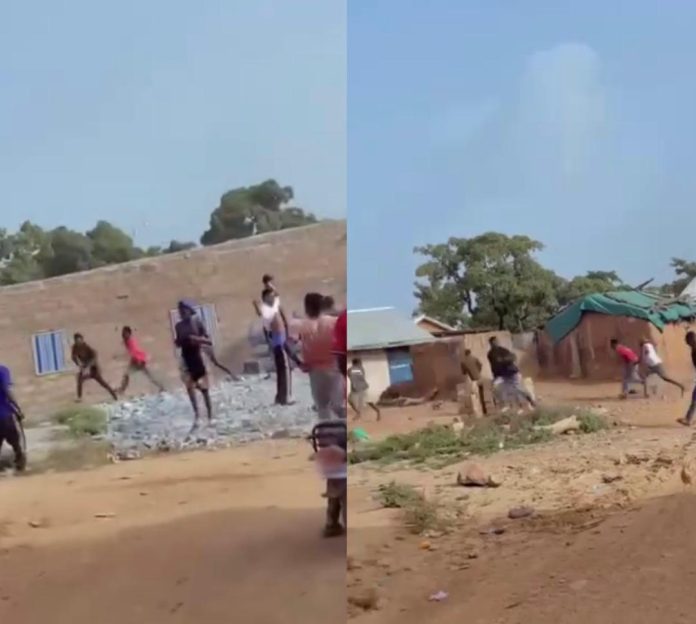
A development advocate and youth activist in the Talensi District of the Upper East Region, Solomon TTB Zenakena, has appealed to President John Dramani Mahama to intervene in the escalating tensions between residents of Gbane and Namoulog following a clash at a mining site in Gbane.

He has also called on the two communities to lay down their weapons, exercise restraint and pursue dialogue to resolve their differences over a land dispute currently before the courts.

Speaking on A1 Radio, Mr. Zenakena said the situation threatened the longstanding relationships between the two communities, which he noted were bound by family ties, intermarriages, shared traditions and common social institutions.

He said residents of Gbane and Namoulog were deeply interconnected, making continued violence detrimental to both communities and the wider Talensi area.

“We are not enemies. We are brothers. We are sisters. We are mothers, and we are fathers. We share the same market. We share the same tradition. We share the same culture. We share the same hospital, the same school, the same workplaces, the same farms and the same land,” he said.

He explained that the dispute between the two communities had been before the courts for several years without violence, but recent events had heightened tensions.

Although acknowledging the role of the courts in resolving disputes, he urged traditional authorities and opinion leaders in neighbouring communities to facilitate dialogue between the factions.

He specifically called on leaders from communities including Sheega, Sawalga, Tindongo, Duusi, Kpatia and Yamerega to engage the two sides and help restore peace.

“The court may resolve the matter, but will it be peaceful? The court may resolve the matter, but will every faction be okay with it? That is why the court is always the last resort,” he said.

He stressed that the immediate priority should be to stop the violence, adding that other disagreements could be addressed through dialogue once peace had been restored.

Mr. Zenakena also appealed to the Upper East Regional Security Council (REGSEC), the District Security Council (DISEC) in Talensi and the National Security Council to strengthen security in the affected communities.

He said people he had spoken to on the ground had raised concerns about the visibility of security personnel, urging the police and military to intensify patrols and protect lives and property.

He called on security agencies to remain professional, impartial and firm in dealing with both sides.

“I want them to be fair. I want them to be firm. I want them to defend the land. I want them to protect lives. I want them to protect property,” he said.

The activist warned that delays in responding to the situation could make it more difficult to contain, urging authorities to act before further harm was recorded.

Mr. Zenakena said the effects of the conflict were already being felt beyond the two communities, citing disruptions to economic and social activities.

He recalled that violence on a Sunday that coincided with Tindongo market day prevented normal market activities, while health workers were reportedly forced to flee and schools faced disruption.

He said the situation was affecting residents regardless of whether they identified with Gbane or Namoulog.

“The houses that we are burning today are not for anybody. They belong to us. The blood that may be shed today is not anybody’s blood. It’s our blood,” he said.

He urged residents to reject revenge and consider the welfare of children, mothers and vulnerable people whose lives were being affected by the unrest.

Mr. Zenakena reiterated that Talensi had long been associated with peace and stability and called on traditional leaders, security agencies and other stakeholders to work together to restore calm.

He said dialogue, forgiveness and collaboration remained essential to resolving the dispute and preventing further violence.

A1 Radio | 101.1Mhz | Joshua Asaah
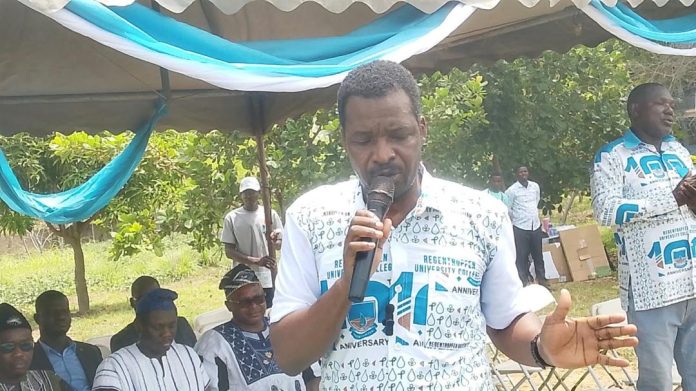
Rural location should not deny students access to quality university education – Regentropfen President

0

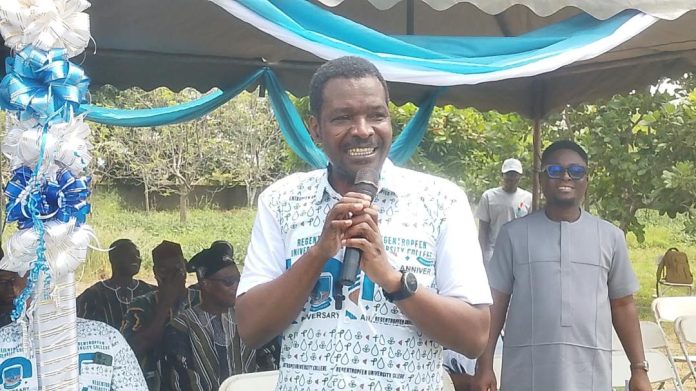
The Founder and President of Regentropfen University College, Rev. Fr. Dr Moses Asaah Awinongya, has defended the decision to establish a university in rural Namoo in the Bongo District of the Upper East Region, arguing that access to quality higher education should not depend on where a student lives.

He said the institution was established to address inequalities in access to tertiary education, particularly for young people in rural communities who face financial and geographical barriers to pursuing university education.

Speaking as Regentropfen University College marked its 10th anniversary, Rev. Fr. Dr Awinongya said the decision to locate the institution outside a major urban centre had raised questions about its economic viability.

However, he maintained that the university’s purpose was to develop the potential of young people rather than maximise financial returns.

“Many asked me at the beginning of the University College and some still do today, whether establishing a University College in a rural area made/make business sense. My answer was and is simple: YES. The young people will create wealth for Ghana. We are promoting talents. We are not maximizing profit,” he said.

According to him, many young people in the Upper East Region previously had to travel to southern Ghana to pursue higher education, a situation that placed additional financial pressure on students and their families.

He argued that students from rural communities deserved access to the same educational opportunities available to their counterparts in urban areas.

Reflecting on the institution’s early years, Rev. Fr. Dr Awinongya acknowledged that establishing a university college in Namoo came with significant challenges.

He identified inadequate accommodation for staff and students, poor road access, limited infrastructure and low student enrolment as some of the difficulties the institution encountered.

“We had more faith than facilities and more vision than funding,” he said.

Despite those challenges, he said the institution continued to operate with support from the University for Development Studies, staff, students, traditional authorities, parents, alumni, academic partners and other benefactors.

Rev. Fr. Dr Awinongya disclosed that Regentropfen initially received accreditation to offer 10 academic programmes, comprising five diploma and five bachelor’s degree programmes.

Over the past decade, the institution has expanded its offerings to five diploma programmes, 10 undergraduate degree programmes and three postgraduate programmes.

He said additional programmes had been submitted to the Ghana Tertiary Education Commission (GTEC) for accreditation as part of efforts to broaden educational opportunities.

Beyond expanding access to higher education, the President said Regentropfen was committed to producing graduates capable of identifying problems, developing solutions and creating employment opportunities.

He argued that universities should prepare students to contribute to economic development through innovation and entrepreneurship rather than focusing solely on securing salaried employment.

Looking ahead, Rev. Fr. Dr Awinongya said the institution intended to expand postgraduate education and research, strengthen partnerships with industry and international organisations, and pursue a charter to operate as an autonomous university.

He also outlined plans to introduce a medical programme supported by a proposed hospital within the next five to ten years, subject to the necessary preparations and regulatory approvals.

The university President appealed to individuals, organisations and development partners to support the institution’s efforts to extend higher education to underserved communities.

Regentropfen University College is celebrating its 10th anniversary under the theme, “From Vision to Reality: A Decade of Promoting Talents and Shaping Future Minds.”

A1 Radio | 101.1 MHz | Moses Apiah | Bongo

Regentropfen seeks to produce job creators with compulsory entrepreneurship diploma

0
Regentropfen University College in the Upper East Region has announced plans to introduce a diploma in entrepreneurship for all students before graduation, as part of efforts to equip them with skills to establish businesses and create employment opportunities.

The Founder and President of the institution, Rev. Fr. Dr Moses Asaah Awinongya, said the initiative was intended to reduce graduates’ dependence on salaried employment and encourage them to identify business opportunities and develop solutions to challenges facing society.

Speaking as the university marked its 10th anniversary, he argued that higher education institutions must prepare students not only to seek employment but also to become entrepreneurs capable of creating jobs for others.

“No economy has jobs for all, so students must ask early: What problem can I solve? Who can I employ?” he said.

Rev. Fr. Dr Awinongya explained that entrepreneurship was already part of the institution’s training but said the university intended to strengthen the programme by ensuring that every student could graduate with an additional qualification in entrepreneurship.

According to him, the proposed diploma would equip students with practical skills to identify business opportunities, develop enterprises and become financially independent.

He maintained that the value of university education should not be measured solely by graduates’ ability to secure formal employment, particularly in an economy where job opportunities are limited.

“A graduate who can create value is never helpless when vacancies are scarce; he or she gains independence and dignity,” he said.

The university President illustrated the potential benefits of entrepreneurship by citing the example of a graduate who establishes a business and employs five other young people.

He argued that encouraging more graduates to establish businesses could contribute to addressing unemployment while promoting economic activity in their communities.

Rev. Fr. Dr Awinongya said the proposed diploma formed part of Regentropfen’s broader mission to produce graduates who could identify problems, develop solutions and create economic opportunities.

However, the institution has yet to announce when the programme will be introduced or how it will be incorporated into existing academic programmes.

Details of the proposed curriculum, accreditation requirements and whether students would undertake the diploma alongside their main programmes are also yet to be outlined.

Regentropfen University College currently offers five diploma programmes, 10 undergraduate degree programmes and three postgraduate programmes, having initially received accreditation to run five diploma and five bachelor’s degree programmes.

The institution’s President said its focus remained on expanding access to higher education, particularly for young people in rural communities who face financial and geographical barriers to further education.

Beyond entrepreneurship, Regentropfen intends to expand postgraduate education and research, strengthen partnerships with industry and international institutions, and pursue plans to introduce a medical programme supported by a proposed hospital within the next five to ten years.

The university is celebrating its 10th anniversary under the theme, “From Vision to Reality: A Decade of Promoting Talents and Shaping Future Minds.”

A1 Radio | 101.1 MHz | Moses Apiah | Bolgatanga

Regentropfen University College plans medical programme, hospital within next 10 years

0

Regentropfen University College in the Upper East Region has announced plans to establish a medical programme supported by a hospital within the next five to ten years as part of efforts to expand its academic offerings and improve access to professional education in Northern Ghana.

The Founder and President of the institution, Rev. Fr. Dr Moses Asaah Awinongya, said the proposed medical programme formed part of the university’s long-term development plans, which also include expanding postgraduate education, strengthening research and securing a charter to operate as an autonomous university.

Speaking as Regentropfen University College marked its 10th anniversary, he said the institution intended to deepen partnerships with industry and international organisations to support its growth over the next decade.

The proposed medical programme and hospital, however, remain at the planning stage and will require further development and the necessary regulatory approvals before they can become operational.

Rev. Fr. Dr Awinongya said the university was established to address the difficulties young people in rural communities face in accessing higher education, particularly the financial and geographical barriers associated with studying outside the Upper East Region.

“Before the advent of Regentropfen University College, I used to describe Bongo District and the Upper East Region at large as an educational desert,” he said.

He explained that before the institution was established, many young people from the area had to travel to other parts of Ghana, particularly the south, to pursue higher education.

According to him, students from rural communities such as Namoo deserve access to educational opportunities comparable to those available to students in major cities.

Reflecting on the institution’s development over the past decade, Rev. Fr. Dr Awinongya disclosed that Regentropfen initially received accreditation to offer 10 academic programmes, comprising five diploma and five bachelor’s degree programmes.

The institution has since expanded to five diploma programmes, 10 undergraduate degree programmes and three postgraduate programmes.

He said additional academic programmes had been submitted to the Ghana Tertiary Education Commission (GTEC) for accreditation as part of efforts to broaden the institution’s academic offerings.

Despite the progress, Rev. Fr. Dr Awinongya acknowledged that establishing and sustaining a university college in a rural community had presented several challenges.

He identified inadequate accommodation for staff and students, poor road access, limited infrastructure and low enrolment during the institution’s early years as some of the difficulties it had faced.

He said support from the University for Development Studies and other institutional partners had been instrumental in helping Regentropfen navigate those challenges.

Looking ahead, the President said the university would continue to prioritise accessible education while investing in postgraduate training, research and partnerships that could support its academic development.

He also reiterated the institution’s ambition to secure a charter, which would enable it to operate as an autonomous university, subject to meeting the relevant regulatory requirements.

Rev. Fr. Dr Awinongya appealed to individuals, organisations and development partners to support the institution’s expansion plans, particularly projects aimed at improving infrastructure and increasing educational opportunities for students from underserved communities.

Regentropfen University College is celebrating its 10th anniversary under the theme, “From Vision to Reality: A Decade of Promoting Talents and Shaping Future Minds.”

A1 Radio | 101.1 MHz | Moses Apiah | Bongo

Navrongo MP drills boreholes for Biu-Jaago, Kologo-Awunyabisi and Naaga-Nyanbisiya

0

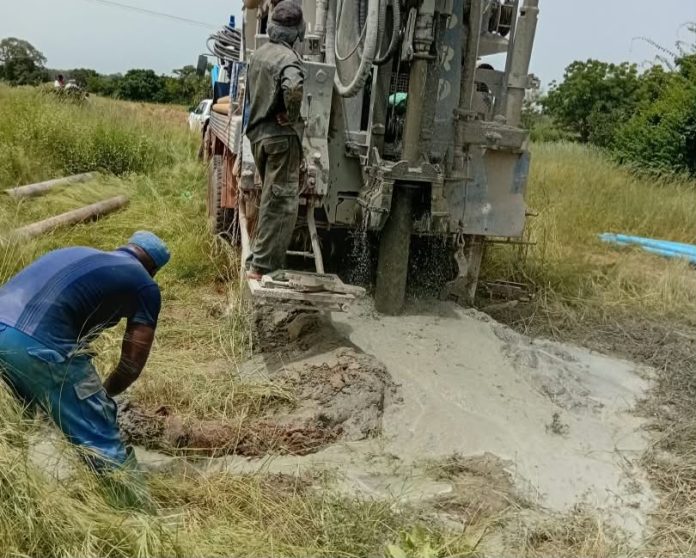
The Member of Parliament for Navrongo Central, Simon Aworigo, has facilitated the drilling of three boreholes in Biu-Jaago, Kologo-Awunyabisi and Naaga-Nyanbisiya to help address longstanding water shortages in the communities.

The boreholes, drilled between October 8 and 11, 2026, followed appeals from residents who have struggled for years to access potable water, particularly during the dry season.

Residents of the three communities have often had to travel long distances to neighbouring communities in search of water for drinking, cooking and other household activities.

During the dry season, the situation becomes more difficult as water sources become scarce, forcing residents to queue for extended periods at boreholes serving multiple communities.

Women and children have been particularly affected, spending considerable time searching for water instead of attending to school, work and other responsibilities.

The intervention is expected to reduce the distances residents travel to access water and ease the pressure on existing water facilities in neighbouring communities.

Mr Aworigo said the drilling of the boreholes was in response to appeals from residents and formed part of efforts to improve access to safe drinking water across the constituency.

He acknowledged the difficulties faced by communities without reliable water sources, particularly during the dry season, when demand for water increases.

The MP indicated that additional interventions would be pursued to support other communities in the constituency that continue to face similar challenges.

For residents of Biu-Jaago, Kologo-Awunyabisi and Naaga-Nyanbisiya, the new boreholes are expected to provide a closer source of water and reduce the time spent travelling to neighbouring communities.

However, the extent to which the facilities will address the communities’ water needs will depend on their completion, water quality and ability to provide a reliable supply throughout the year.

A1 Radio | 101.1 Mhz | Moses Apiah | Bolgatanga

Hassan Ayariga proposes eight-point plan to strengthen Ghanaian ownership of economy

0

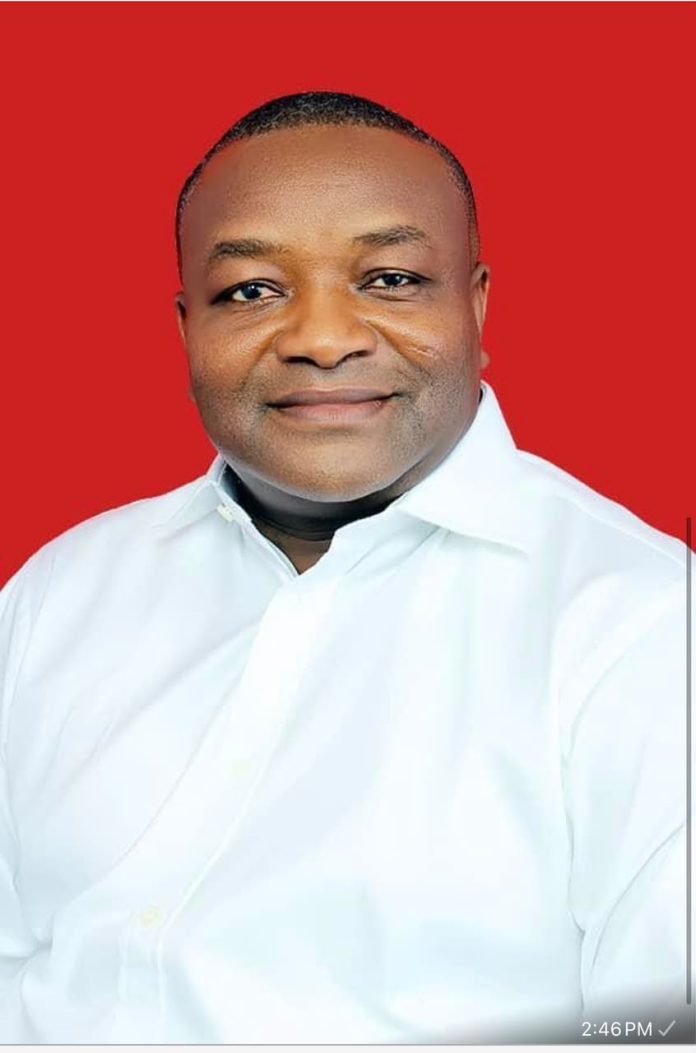
The Founder and Leader of the All People’s Congress (APC), Dr Hassan Ayariga, has called on President John Dramani Mahama to prioritise Ghanaian-owned businesses in major infrastructure projects and government contracts, arguing that foreign investment must not come at the expense of local enterprises.

He said Ghanaian businesses should receive greater financial and institutional support to compete for opportunities in sectors such as mining, construction, agriculture, energy, manufacturing and transportation.

In a national statement issued on October 11, 2026, Dr Ayariga questioned the extent to which indigenous businesses were benefiting from major government projects and investment opportunities.

“Mr President, how many Ghanaian-owned companies have you cut sod for?” he asked.

The APC leader argued that although foreign investment remained important to Ghana’s development, the government must ensure that investment agreements create employment, transfer technology and strengthen local businesses.

“I am not against foreign investment. I am against foreign economic domination,” he said.

Dr Ayariga expressed concern about what he described as unequal access to government contracts and affordable financing, arguing that Ghanaian businesses often struggled to compete with foreign companies that had stronger financial backing.

He called for a national economic empowerment strategy that would provide qualified Ghanaian-owned businesses with fair opportunities to participate in major public projects.

As part of the proposal, he advocated government-backed financing, credit guarantees and investment arrangements to help capable local enterprises undertake large-scale projects.

He also urged the government to ensure that public-private partnership agreements deliver measurable benefits, including local employment, Ghanaian business participation, value for money and long-term economic sustainability.

According to him, foreign investors operating in strategic sectors should comply with applicable local content requirements and contribute to skills development and technology transfer.

Dr Ayariga maintained that his concerns were not directed at foreign investors because of their nationality but rather at the terms of investment agreements, ownership structures and the distribution of economic benefits.

He specifically questioned the growing involvement of Chinese companies in Ghana’s economy and called for greater transparency in contracts and stronger measures to ensure fair competition and local participation.

The APC leader also raised concerns about the transfer and long-term leasing of agricultural, ancestral and strategically located lands to foreign interests.

He warned that poorly structured land transactions could affect agricultural production, community livelihoods and the economic interests of future generations.

Dr Ayariga therefore urged traditional authorities, family heads and landowners to consider the long-term implications of land transactions before entering into agreements with investors.

He called for closer collaboration between government, traditional authorities and local communities to protect agricultural lands and other strategic assets.

Beyond Ghana, Dr Ayariga argued that African countries must reduce their dependence on exporting raw materials and importing finished products.

He called for increased investment in local manufacturing, technology and regional value chains to enable African businesses to retain more of the economic benefits generated from the continent’s natural resources.

As part of what he described as a proposed “Ghana First” economic policy, Dr Ayariga outlined eight priorities, including greater Ghanaian ownership of strategic projects, protection of national assets, fair access to public contracts and affordable financing for indigenous businesses.

The proposals also cover local content requirements, technology transfer, transparent public-private partnerships, protection of agricultural lands and stronger economic cooperation among African countries.

He urged President Mahama to pursue an investment strategy that attracts international capital while deliberately supporting the growth of competitive Ghanaian enterprises.

“Let us welcome foreign investors, but let us also build Ghanaian investors,” he said.

Dr Ayariga maintained that Ghana’s economic development should be driven by partnerships that protect national interests and provide meaningful opportunities for local businesses.

“Ghana is not for sale,” he said.

A1 Radio | 101.1 Mhz | Moses Apiah | Bolgatanga

NDC must reward grassroots service through fair, transparent systems – Opong-Fosu

0
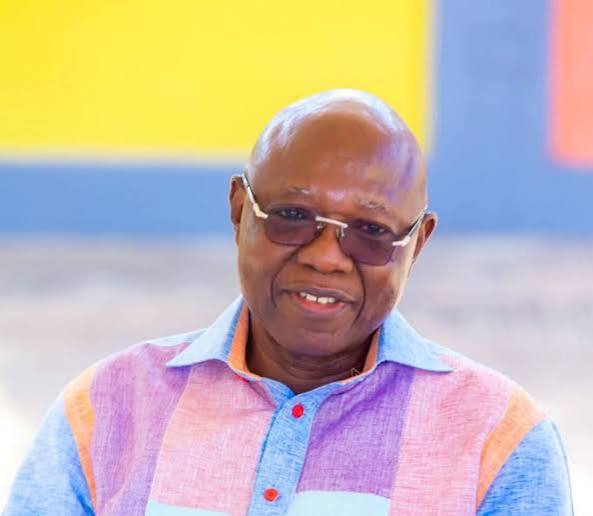
National Chairman aspirant of the National Democratic Congress (NDC), Dr Akwasi Opong-Fosu, has called for transparent systems to recognise and reward the contributions of grassroots party members, arguing that opportunities should not depend solely on personal connections to influential individuals.

He said branch organisers, constituency executives, volunteers and polling station agents who contribute to the party’s electoral success must have their service acknowledged through fair and institutionalised processes.

In his declaration of intent to contest the NDC National Chairmanship, the former Minister for Local Government and Rural Development said the party must strengthen its grassroots structures and ensure that members remain actively involved in its activities beyond election periods.

“The branch must be the heartbeat of the NDC,” he said.

Dr Opong-Fosu proposed an approach built around four principles: mobilisation, participation, recognition and reward.

According to him, grassroots structures must receive the political education, information, organisational support and resources needed to operate effectively throughout the political cycle.

He argued that party members who dedicate their time and resources to organising, campaigning and protecting the party’s electoral interests should not feel neglected after elections.

However, Dr Opong-Fosu clarified that recognising party service should not be interpreted as a promise of government appointments for every activist.

Instead, he proposed transparent arrangements that consider members’ contributions, competence and service when opportunities arise, including initiatives aimed at economic empowerment.

“When opportunity depends entirely upon access to powerful individuals, institutions become weaker,” he said.

He maintained that a structured approach to recognising contributions would reduce dependence on personal relationships and strengthen members’ confidence in the party’s internal processes.

Beyond grassroots recognition, Dr Opong-Fosu called for greater participation of young people and women in the party’s leadership and decision-making structures.

He argued that young members should not be treated merely as campaign volunteers or continually described as future leaders without being prepared for leadership responsibilities.

According to him, the party must invest in political education, mentorship and practical exposure to governance, policy development, research, technology and organisational management.

He said opportunities for youth leadership should be supported by competence, preparation, character and commitment to the party’s values.

On women’s participation, Dr Opong-Fosu said their longstanding contributions to the NDC’s organisation and electoral activities should be reflected in their representation at decision-making levels.

He called for deliberate efforts to identify, train, mentor and support women interested in leadership positions.

According to him, increasing women’s participation should be treated as part of strengthening the party’s leadership capacity rather than merely fulfilling representation targets.

Dr Opong-Fosu said the proposals formed part of his broader agenda of restoration, renewal and resetting, which focuses on the party’s founding principles, leadership culture and organisational systems.

He is seeking to become the NDC’s next National Chairman as the party prepares for its national executive elections, scheduled for December 19, 2026.

A1 Radio | 101.1 MHz | Moses Apiah | Bolgatanga

NDC needs consensus-driven leadership to prevent internal divisions – Opong-Fosu

0

A National Chairman aspirant of the National Democratic Congress (NDC), Dr Akwasi Opong-Fosu, has called for a leadership approach that prioritises dialogue, consensus-building and party unity over factional interests and confrontational politics.

The former minister said internal competition and differences in political opinion were inevitable in a democratic party but warned that such differences should not be allowed to create lasting divisions among members.

In his declaration of intent to contest the NDC National Chairmanship, Dr Opong-Fosu argued that the party needed a leader capable of managing competing interests without undermining its organisational structures.

“Internal competition is legitimate. Political ambition is legitimate. Different perspectives are legitimate. But our ultimate loyalty must be to the NDC, not to factions within the NDC,” he said.

He maintained that the next National Chairman would have a responsibility to manage disagreements arising from internal elections, particularly the selection of parliamentary and presidential candidates ahead of the 2028 general elections.

According to him, the position requires a leader with the temperament, emotional intelligence and communication skills to bring together members with competing interests.

Dr Opong-Fosu also criticised what he described as the tendency to equate aggressive political behaviour with strong leadership.

“Confidence without arrogance. Firmness without belligerence. Competition without destruction. Debate without denigration,” he stated.

He argued that consultation, listening and consensus-building should be regarded as essential leadership qualities rather than signs of weakness or indecision.

The former minister said the party must develop mechanisms to reconcile members after internal elections to prevent contests from producing permanent divisions between winners and losers.

Beyond managing internal competition, Dr Opong-Fosu called for a more structured relationship between the NDC and the government.

He said communication between the party and government should be guided by established institutions rather than personal relationships or informal access to political officeholders.

According to him, such an arrangement would enable the party to communicate concerns from its grassroots members while helping party structures understand government policies and priorities.

He maintained that this relationship should operate without interfering with the constitutional responsibilities of the President and state institutions.

Dr Opong-Fosu, who previously served as Member of Parliament for Amenfi East from 2013 to 2017, has also held several ministerial positions, including Minister for Local Government and Rural Development and Minister for Environment, Science, Technology and Innovation.

He also served as Minister of State at the Presidency responsible for Development Authorities.

He said his experience in public administration, Parliament and government had reinforced his belief that political institutions should remain stronger than the individuals entrusted with leading them.

Dr Opong-Fosu’s campaign agenda focuses on restoration, renewal and resetting, with proposals aimed at strengthening party structures, increasing grassroots participation and improving internal organisation.

The NDC is expected to elect its next National Chairman on December 19, 2026.

A1 Radio | 101.1 MHz | Moses Apiah | Bolgatanga

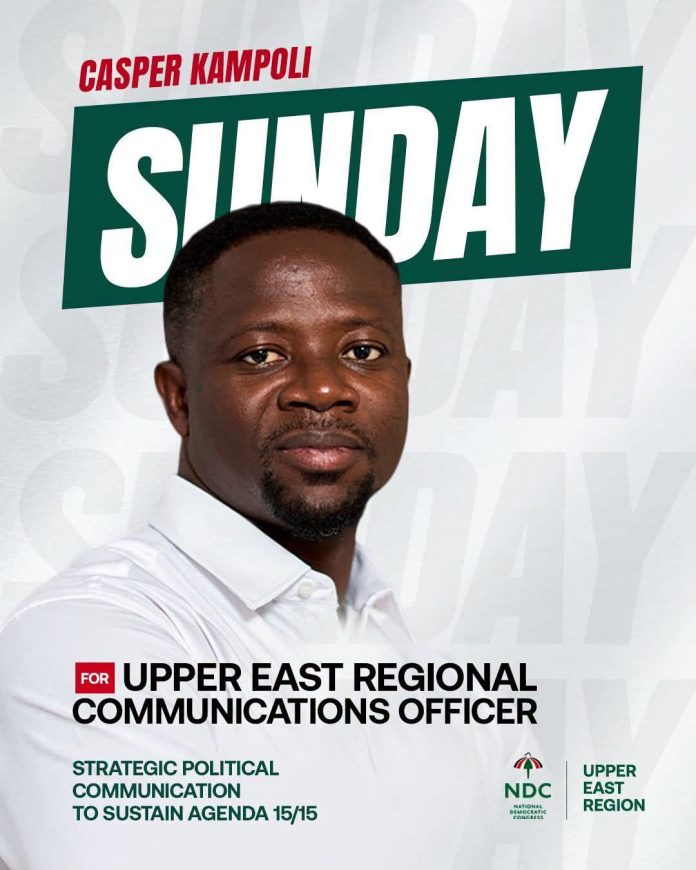
Casper Kampoli likely to go unopposed for Upper East NDC communications officer position

0

Casper Sunday Kampoli could contest the Upper East Regional Communications Officer position of the National Democratic Congress (NDC) unopposed after emerging as the only aspirant to have successfully submitted his nomination form for the position.

However, his chances of going unopposed will depend on the completion of the party’s nomination and vetting processes, with aspirants given until October 15, 2026, to fulfil all filing requirements.

The Chairman of the NDC Upper East Regional Election Committee, Donatus Nyaaba, disclosed that 55 aspirants had picked nomination forms to contest various executive positions in the region.

Of the number, 39 had completed their filing at the time of the committee’s update, while 15 were yet to complete the process.

Mr Nyaaba said the party’s online nomination portal opened at 7 a.m. on October 6 and closed at 5 p.m. on October 7. He explained that aspirants who obtained nomination forms could complete their applications and payments by 5 p.m. on October 15, ahead of vetting scheduled to begin on October 16.

Mr Kampoli is currently the only aspirant reported to have successfully filed for the regional communications officer position.

While the position has so far attracted no other confirmed candidate, the committee is yet to announce the final list of eligible aspirants.

Unlike the communications officer position, several other regional executive positions have attracted multiple aspirants. Two aspirants are seeking the regional chairmanship, while four are contesting the two vice-chairperson positions.

The deputy regional secretary position has attracted seven aspirants, with four each seeking the treasurer and deputy treasurer positions. Two aspirants are seeking the regional organiser position, while three are contesting the deputy organiser position.

The deputy regional communications officer position has attracted three aspirants.

In the youth wing, four aspirants are seeking the regional youth organiser position, while seven are contesting the two deputy youth organiser slots.

The regional women’s organiser position has attracted two aspirants, with five seeking the two deputy women’s organiser positions. The Regional Election Committee is expected to determine the final list of eligible candidates after the filing deadline and vetting exercise.

A1 Radio | 101.1 MHz | Moses Apiah | Bolgatanga

NDC Regional Executives race: 55 aspirants pick nomination forms

0

The National Democratic Congress (NDC) in the Upper East Region has recorded 55 aspirants who picked nomination forms to contest various positions in the party’s upcoming regional elections, with 39 completing their filing process and 15 others still pending.

Regional Election Committee Chairman, Donatus Nyaaba, said the nomination process opened through an online portal on October 6 at 7:00 a.m. and closed on October 7 at 5:00 p.m. He said aspirants who picked forms have until October 15 at 5:00 p.m. to complete their filing and payment, ahead of vetting scheduled to begin on October 16.

“Out of the 55 who picked forms, 39 have successfully completed their filing, while 15 are still pending. They still have time to complete the process before the deadline,” he said.

Mr Nyaaba explained that some aspirants were yet to complete the requirements, including obtaining the required signatures and making payments, but stressed that they could still regularise their applications before the deadline.

He said the final number of eligible aspirants would depend on those who successfully complete the filing process by the October 15 deadline.

The positions attracting competition include regional chairman, vice chairpersons, secretary, deputy secretary, treasurer, deputy treasurer, organiser, deputy organiser, communications officer and their deputies, as well as youth and women’s organiser positions.

According to Mr Nyaaba, two aspirants are contesting the regional chairmanship, while four have applied for the two vice-chairperson positions.

The deputy secretary position has attracted seven aspirants, while four candidates each are contesting the treasurer and deputy treasurer positions. The regional organiser position has two aspirants, with three contesting the deputy organiser position.

For communications, one aspirant has filed for the regional communications officer position, while three are contesting the deputy communications officer slot. The youth organiser position has attracted four aspirants, with seven contesting the two deputy youth organiser positions.

Two aspirants are contesting the regional women’s organiser position, while five have applied for the two deputy women’s organiser positions. Mr Nyaaba said the figures could change as aspirants complete their outstanding filing requirements.
The NDC’s regional election process is expected to proceed to vetting after the filing deadline, with the committee to determine the final list of eligible candidates in accordance with the party’s electoral procedures.

A1 Radio | 101.1 MHz | Moses Apiah | Bolgatanga